


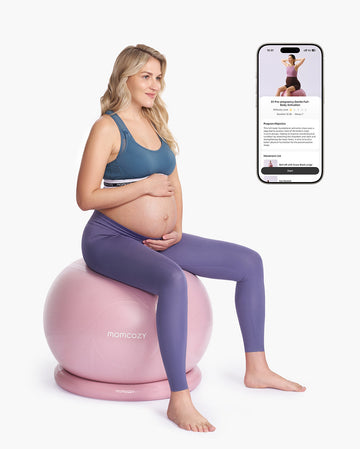
Feeling a sharp pinch in your hips or a dull ache in your groin can make every step feel like a heavy chore. This common issue affects many expecting moms as their bodies shift and grow. Finding pelvic girdle pain relief starts with simple, effective movements that support your joints. By adding stability-focused pelvic girdle pain exercises to your day, you can protect your pelvis and move with much more comfort during this exciting time.
What Is Pelvic Girdle Pain?
Pelvic Girdle Pain (PGP) is a term used to describe discomfort in the joints of your pelvic ring. This ring is made of three main parts: the symphysis pubis joint at the front and the two sacroiliac joints at the back. In the past, many people called this condition Symphysis Pubis Dysfunction (SPD), but PGP is now the more common name.
When you have PGP, the joints in your pelvis do not move as smoothly as they should. They may become slightly misaligned or move unevenly, which leads to inflammation in the surrounding tissues. This can result in a range of sensations, from a mild nag to a sharp, stabbing pain that makes it hard to walk or climb stairs.

Why Pelvic Girdle Pain Happens
Your body produces a hormone called relaxin during pregnancy to soften your ligaments. This is a vital biological process because it allows your pelvis to expand for birth, but it can make your joints a bit too loose for comfort. When the ligaments are extra flexible, the joints become less stable and can easily get irritated. This hormonal shift is why finding effective pain relief for pelvic girdle pain becomes a top priority as your belly grows.
As your baby grows, your center of gravity shifts forward. This change in balance puts more weight on your pelvic area than your body is used to. If your muscles are not strong enough to hold the pelvis steady against this new weight, you start to feel the strain. Activities like getting out of bed or a car can trigger pain because the loose joints are struggling to find their balance.
Symptoms of Pelvic Girdle Pain
Identifying the symptoms early helps you find the right pain relief for pelvic girdle pain before the ache gets worse. Most women notice the discomfort during the second or third trimester when the physical load increases. The symptoms can vary from person to person, but they generally involve the lower half of the torso and the upper legs.
Common signs include:
- A sharp or dull pain in the pubic bone area directly at the front.
- Inner leg pain during pregnancy that feels like a strain or a "pull" in the groin.
- Clicking or grinding feelings in the pelvis when you walk or roll over in bed.
- Discomfort that travels down to the thighs or into the lower back area.
The pain often gets worse when you do things that require standing on one leg, such as walking or getting dressed. Understanding these patterns allows you to adjust your daily habits and start pelvic girdle pain exercises to avoid flare-ups.
Benefits of Exercise for Pelvic Girdle Pain
Moving your body in the right way is one of the best ways to manage this condition. While it might feel like you should stay still, specific activities provide significant pelvic girdle pain relief.
- Builds Support: It strengthens the "muscular corset" around your midsection to hold your joints in place.
- Stabilizes the Pelvis: Targeted movements help the deep core and pelvic floor work together to keep the pelvic ring steady.
- Boosts Circulation: Movement keeps blood flowing, which helps clear out inflammation and reduces localized swelling.
- Prevents Stiffness: It keeps your muscles from becoming too tight or "guarded" as a reaction to the joint pain.
Pelvic Girdle Pain Exercises
Using professional stability techniques can help you stay active without hurting your joints. These five movements are taken from expert-led maternity courses and are designed to be safe for all stages of pregnancy.
1. Standing Marching
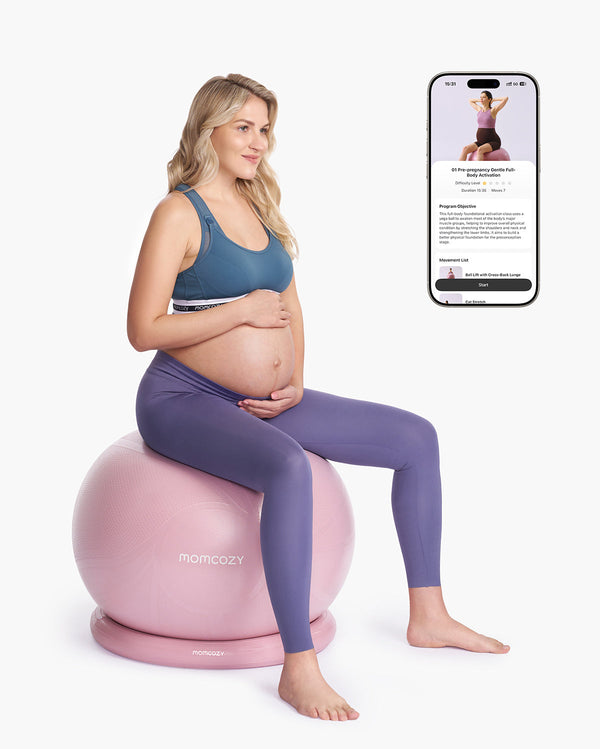
This exercise is excellent for improving pelvic stability during daily activities. Stand near a wall or use the Momcozy BirthEase Maternity Exercise Ball Set against a wall for support. Lift one knee toward your chest slowly, then lower it and switch to the other leg. The goal is to keep your hips perfectly level without letting them tilt. This helps your body learn how to stabilize the pelvis even when weight is only on one leg, which is essential for walking without pain.


2. Supported Squat with the Ball
Squats are great for leg strength, but they can be hard on the pelvis if done without support. To do this safely, place the 65 cm ergonomic exercise ball between your lower back and a wall. Lean back into the ball and slowly lower yourself into a shallow squat. The textured, anti-slip surface of the ball keeps you secure while the movement strengthens the muscles that support your hips and reduces inner leg pain during pregnancy.


3. Goddess Pose Ball Squat
This pose helps with both hip flexibility and strength. Stand with your feet wider than your shoulders and point your toes out slightly. Hold your exercise ball in front of you with both hands to keep your balance. Squat down gently while keeping your back straight and your core engaged. This is a fantastic way to achieve pelvic girdle pain relief by opening the hips without overstretching the pubic joint.


4. Shoulder Bridge
This specific variation is a powerhouse for pelvic floor activation and active control. Lie flat on your back and rest your heels or calves on the exercise ball. As you lift your hips, focus on squeezing your glutes to create a straight line from your shoulders to your feet. This elevation helps with pain and swelling relief by encouraging blood flow away from the lower legs while building the stability you need.


5. Thoracic Rotation
Upper back stiffness often makes pelvic issues feel worse because the spine cannot rotate properly. To perform this, kneel on a mat and place your forearms on your exercise ball. Gently rotate your upper body to one side and then the other while keeping your hips still. This movement improves your overall posture and helps distribute your weight more evenly, making it one of the most effective pelvic girdle pain exercises.

Other Ways to Ease Pelvic Girdle Pain During Pregnancy
Beyond doing your pelvic girdle pain exercises, small lifestyle changes can make a huge difference in your daily comfort. These tips help reduce the cumulative stress on your joints throughout the day.
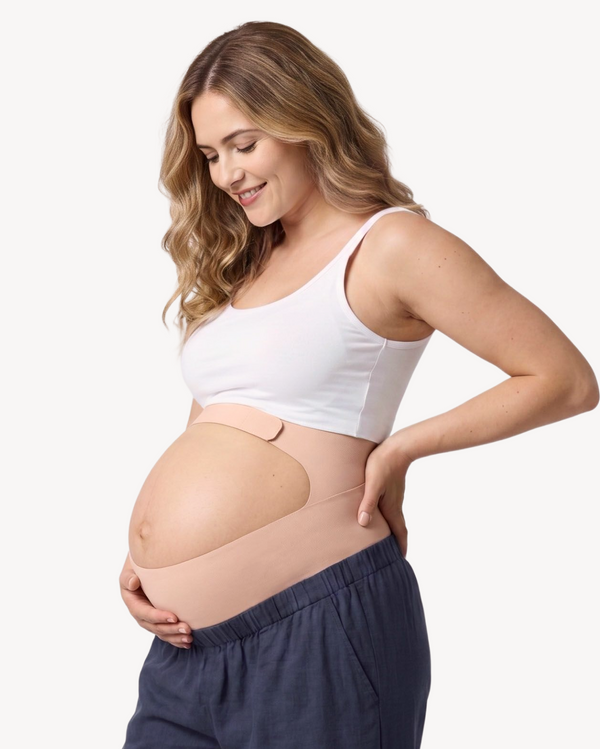
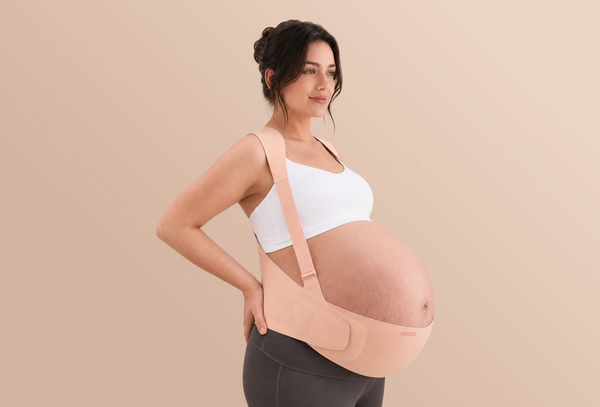
- Wear a Support Belt: Using a brace like the Momcozy Pregnancy Belly Band provides external compression that helps hold your joints together. This ergonomic band features a multi-point support system that lifts the weight of your belly, taking immediate pressure off your pelvic floor. Its soft, breathable fabric ensures you stay supported, whether you are running errands or performing your daily pelvic girdle pain exercises.
- Step Together: When getting out of bed or the car, move your legs together like they are glued to each other to avoid twisting.
- Limit High-Impact Activity: Avoid running or jumping, as the heavy impact can aggravate loose pelvic joints and cause sharp stabs.
- Sit to Get Dressed: Always sit down to put on your pants, socks, or shoes instead of balancing on one leg.
- Take Shorter Steps: Walking with a smaller stride reduces the "shearing" force on your pubic bone.
How Is Pelvic Girdle Pain Diagnosed?
If you think you have this condition, a doctor or a pelvic floor physical therapist can give you a formal diagnosis. They will usually ask you to perform simple movements, like lifting a leg or walking across the room, to see where the pain starts. They may also apply gentle pressure to the pelvic joints to check for tenderness. It is important to rule out other issues like muscle strains.
Getting a diagnosis early is helpful because it allows you to start a treatment plan right away. Your therapist can teach you the exact pelvic girdle pain exercises that will work best for your specific body type. They can also check if your hips are slightly out of alignment and offer manual adjustments to provide quick pelvic girdle pain relief.
Pelvic Girdle Pain Treatment
Treatment usually involves a mix of manual therapy, home exercise, and lifestyle changes. A physical therapist might use gentle hands-on techniques to help realign your pelvic joints and release tight muscles. This often provides immediate pain relief for pelvic girdle pain, which makes it easier to keep up with your strengthening routine at home.
The Momcozy BirthEase Maternity Exercise Ball Set is a great tool for home treatment. It comes with access to expert-led video courses through the Momcozy App, which guides you through safe workouts for every phase of your pregnancy. This support helps you move confidently and ensures you are performing your movements with the correct form to get the most benefit for your pelvic health.
When Should You Seek Help?
Most pelvic aches are manageable with the right tools, but you should talk to your healthcare provider if the pain stops you from doing basic things. It is important to know when a normal pregnancy ache turns into something that needs more attention.
Seek professional help if you experience:
- Pain that is so sharp it prevents you from walking even short distances.
- Numbness or a "pins and needles" sensation in your groin or inner thighs.
- Difficulty controlling your bladder or bowels.
- A sudden "giving way" feeling in your legs that makes you feel like you might fall.

FAQs
Q1. Does Pelvic Girdle Pain Mean Labor Is Near?
No, having pelvic pain is not a direct sign that labor is starting soon. While many women feel more pressure as the baby drops into the birth canal, PGP can actually start as early as the first trimester due to hormonal changes. It is a sign of joint instability, not an indication that your body is currently in the process of delivery.
Q2. When Does SPD Pain Start?
Symptoms usually begin around the mid-point of pregnancy, typically between weeks 14 and 22. However, some women notice inner leg pain during pregnancy much earlier if they have had previous pelvic injuries or if their body is particularly sensitive to relaxin. The discomfort often increases in the third trimester as the baby gains weight.
Q3. Can Pelvic Girdle Pain Be Cured During Pregnancy?
While you cannot change the hormones that cause the joints to be loose, you can successfully manage the symptoms. By doing regular pelvic girdle pain exercises, you build the strength needed to keep the joints stable. Most women find that the pain goes away on its own a few weeks or months after the baby is born and the ligaments tighten back up.
Q4. What Are The Best Positions To Relieve Pelvic Pain During Pregnancy While Resting?
The most effective resting position is lying on your side with your hips stacked and a pillow between your knees and ankles. This prevents the top hip from rotating forward, which can twist the pelvic joints. Another great option is the hands-and-knees position, which uses gravity to move the baby’s weight away from the sensitive pubic bone.
Take Charge of Your Pelvic Wellness
You have the power to reduce your discomfort and stay mobile as you prepare for your baby's arrival. By using targeted pelvic girdle pain exercises and ergonomic supports like the Momcozy BirthEase Maternity Exercise Ball Set, you can give your body the stability it needs. Small, consistent changes to how you move and rest will lead to lasting pelvic girdle pain relief. Explore our collection of maternity essentials to find the perfect tools for your unique journey toward motherhood.








