A milk bleb is a small white, yellow, or clear spot on the nipple associated with inflammation in a milk duct. You may also hear it called a nipple bleb or milk blister. It can hurt enough to make you dread the next feed. Leave the spot intact and contact a healthcare provider about the pain and what may be causing it.
What does a milk bleb look like?
You might notice a pinpoint spot after your baby unlatches or feel a sharp pain before you ever see a mark. There may be one spot or several. On its own, a white dot can’t tell you exactly what’s happening underneath the skin. Cleveland Clinic’s guide to nipple blebs describes their appearance and the inflammation that can bring them on.
What if I see a white spot but feel something deeper?
Tell your provider about both. Try describing the spot and the pain in two separate sentences: “There’s a pale dot at the tip of my right nipple. The tender area I feel is farther back, toward my arm.” That gives someone much more to work with than saying only that you have a blockage.
If the spot disappears between feeds, a note about when you saw it may be enough. There’s no need to pinch the nipple to make it visible again. If the skin has already broken or you see blood, mention that when you call. Avoid assuming a dark or bloody blister has the same cause as a pale bleb.

Milk bleb vs. clogged duct: where do you feel it?
A bleb is visible on the nipple surface. What people call a clogged duct often feels like a localized tender or firm area within the breast. They can occur together. Finding a dot doesn’t explain every breast symptom, and you can have deeper tenderness without seeing anything on the nipple.
| What you notice | What it can suggest | What to tell your provider |
|---|---|---|
| A small pale dot with pain at the nipple | A possible nipple bleb | Which side did you first see it, and whether it hurts between feeds? |
| A sore, firm patch farther inside the breast | Localized ductal inflammation, often called a plugged or clogged duct | Whether the area is growing, becoming redder, or accompanied by fever. |
| Raw skin where the nipple rubs or pinches | Friction or another source of nipple injury may be involved | Whether pain begins with latching, pumping, or both. |
Could it be a friction blister?
Friction can injure skin, so it’s worth mentioning rubbing at the edge of a flange or pain each time your baby latches. A change in how a pump feels is a clue to investigate. It doesn’t prove that pumping caused a bleb. If someone examines only the white spot, they may miss an important detail about how feeding or pumping feels to you.
What causes a nipple bleb?
The Academy of Breastfeeding Medicine describes nipple blebs in the context of inflammation within milk ducts. The common phrase “clogged milk pore” can give the impression there’s a solid plug waiting to be dug out. Trying to remove the visible surface can injure sensitive tissue and worsen narrowing. The Academy’s mastitis spectrum protocol advises against opening a bleb.
It’s understandable to look for one thing you did differently: a longer stretch of sleep, a new flange, an unusually busy day. Mention recent changes, but don’t feel you have to identify the cause before asking for help. A clinician can look at the nipple and breast, take your history, and decide whether other conditions need attention. A lactation consultant can look separately at feeding mechanics.
What should you do if a bleb hurts?
Leave the spot alone, avoid pressure on the sore area, and contact a healthcare professional. Don’t use a needle, tweezers, a fingernail, or a rough washcloth on the nipple. If you already tried to open it, tell the clinician what happened. That information can help them assess the skin without making you repeat something painful.
Can gentle massage release a milk bleb?
There’s no need to massage the nipple to release a bleb. It’s tempting to press from farther back toward the painful point, especially if the breast feels full. Deep massage and forceful squeezing can aggravate inflamed tissue. Ask a clinician what comfort measures suit your symptoms, particularly if the skin is broken or the breast is getting redder.
What can I do before the next feed?
- Note when the pain starts, where you feel it, and whether it eases once milk is flowing.
- Think about whether a bra seam or flange edge presses directly on the sore area. Reduce avoidable rubbing.
- Keep the contact information for your clinician or lactation professional handy. If pain is interfering with feeding, say so when you call.
If a partner is helping, a useful request is to wash pump parts, bring the baby to you, or make the appointment. Nobody needs to examine or try to drain the spot at home. When it hurts to feed, practical help can buy enough breathing room to make a plan.
When should you contact a healthcare provider?
Reach out about a painful bleb, especially if it keeps returning or a breast lump or area of tenderness persists. Call promptly if redness or swelling is spreading, the breast becomes increasingly painful, you develop fever or chills, or you feel generally unwell. Don’t wait for the white dot to change color before acting on those symptoms.
What information helps when you call?
A useful opening is, “My nipple has a white spot, and the pain is making it hard to feed. Since yesterday, the soreness has spread and I feel feverish.” The person arranging care needs to hear the changes as well as the original concern. If you measured a temperature, have the reading and time available.
If your baby is feeding poorly or you’re worried about intake, call their pediatrician too. Your own clinician can evaluate breast symptoms, while the baby’s clinician can assess feeding and growth. Those are related questions, but one visit may not answer both.
Can you nurse or pump with a bleb?
Many parents can keep feeding while a bleb is assessed. Aim for a manageable routine and ask for individualized advice if feeding is painful or milk isn’t transferring well. Adding extra pumping sessions to try to clear the spot or turning suction up until it hurts can make an already difficult day harder.
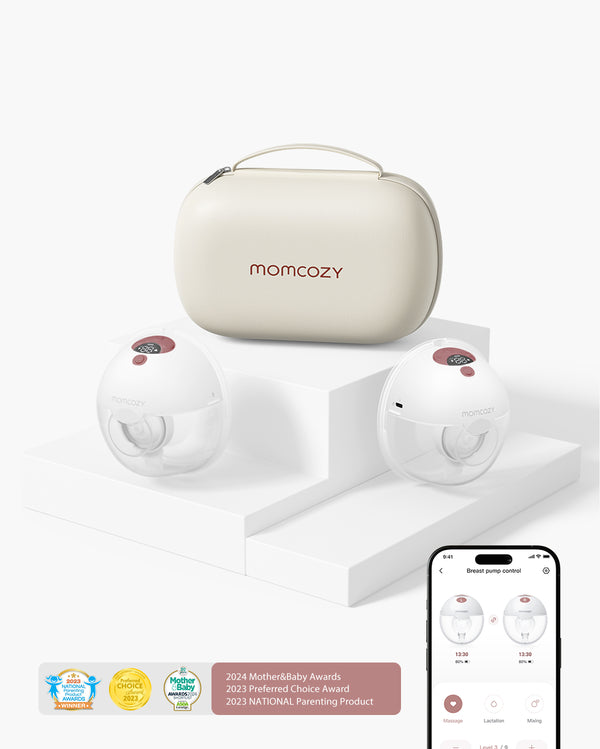
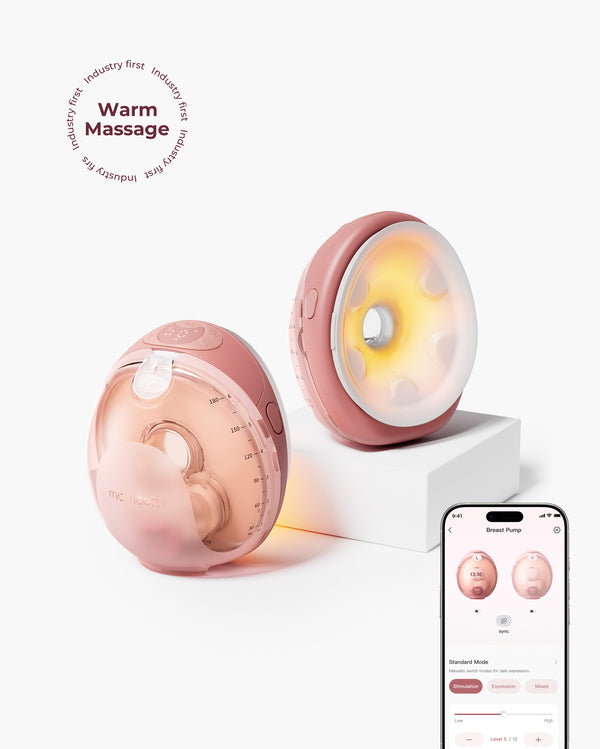
If you use a wearable breast pump, check that the nipple is centered before fastening your bra. If you use flanges you can see through, notice whether the nipple rubs as it moves. The breast pump flange fit guide and common pumping questions can help you describe a fit or assembly issue. Stop to adjust equipment if a session hurts; don’t keep pumping just to see whether the dot will disappear.
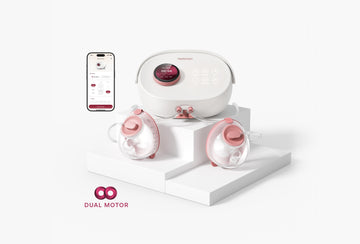
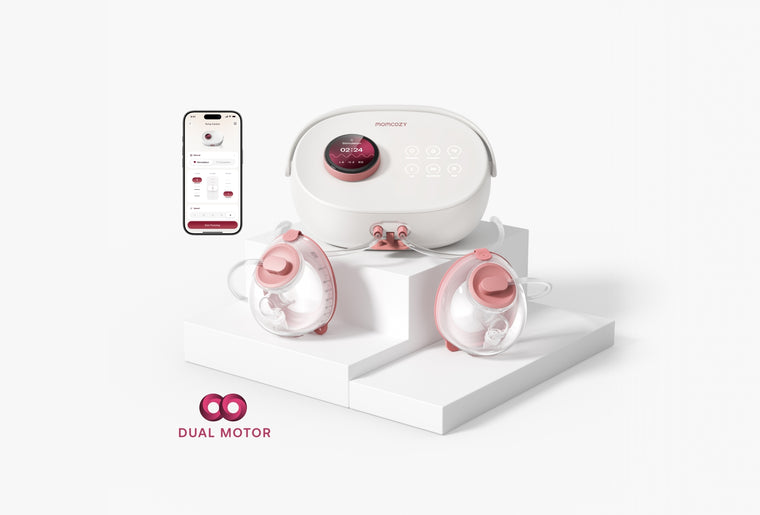
For someone already comparing electric breast pumps, the Momcozy V3 double electric breast pump has two motors and lets you adjust each side separately across 15 suction levels. That means you can change the left setting without changing the right. Those controls can matter to everyday comfort. A painful nipple lesion still calls for assessment regardless of the equipment you own.
What if the white spot keeps returning?
Make an appointment even if the spot tends to disappear before you’re seen. Jot down whether it returns to the same place, whether you feel fine between episodes, and what happened the last time. If you’ve already tried a remedy, mention whether it irritated your skin. Your provider may want to assess the underlying inflammation or consider another explanation.
A useful question at the end of the visit is, “What changes would mean I should call you again?” Write down whom to contact about a worsening breast symptom and whom to contact about latch or pump fit. That way, if it hurts during a weekend feed, you already know the next step.
Frequently asked questions
Is a milk blister another name for a bleb?
Yes. Milk bleb, nipple bleb, and milk blister are commonly used for the same finding. A blister from friction is a different possibility. Describe the spot in your own words rather than trying to settle on the correct name before you call.
Should I pop a milk blister?
Leave it intact. Piercing or squeezing it can damage the surface of the nipple. If the spot opened on its own, avoid picking at the edges and ask your clinician how to care for it, especially if pain or redness increases.
Is a milk bleb the same as a clogged duct?
A bleb appears at the nipple, while a so-called clogged duct is often felt deeper in the breast. A person can notice both at the same time. Tell your clinician about new or persistent deeper tenderness even if the nipple looks better.
How long do milk blisters last?
There’s no reliable deadline for an individual spot. Duration matters less than whether pain is worsening, feeding is becoming difficult, or symptoms elsewhere in the breast are changing. Contact a provider rather than using a certain number of days as a reason to wait.
Can I keep breastfeeding with a bleb?
Often, yes. If the pain makes you shorten or skip feeds, ask for help with a plan for both your comfort and your baby’s intake. Let your clinician know if expressing milk also hurts so they can consider that when advising you.