


A soft nursing sleep bra can ease late-pregnancy discomfort and make early feeding nights feel simpler.
Are you shifting from side to side at 2:00 AM, belly heavy and ribs tender, wishing your bra would stop digging in? By the third trimester, many people wake three to five times a night, so even tiny discomforts can feel huge. You will get a clear, practical way to choose and wear a nursing sleep bra now, plus how it helps once night feeds begin.
Why sleep feels so fragile in the third trimester
Sleep problems affect more than 1 in 2 pregnancies, and insomnia has a specific definition that includes difficulty falling or staying asleep at least three nights a week for three months with daytime impairment. It can show up as frequent waking, early mornings, or unrefreshed sleep, and it often drags into the day with headaches, low energy, irritability, or a fuzzy memory. If you are dozing off after lunch and then lying wide awake at bedtime, you are not imagining the pattern.




In late pregnancy, sleep problems often return because the growing belly brings back pain, heartburn, leg cramps, frequent urination, baby movement, and Braxton Hicks contractions, and some people wake three to five times a night. If you wake four times and each wake lasts about 8 minutes, that is roughly 32 minutes awake before you even count the time it takes to settle again. This is why a small comfort change can feel surprisingly big.

Short sleep in pregnancy is linked with higher risks of preeclampsia, gestational diabetes, longer labors, and higher cesarean rates, and fewer than six hours over 24 hours is associated with higher C-section rates. That is not a reason for guilt; it is a reason to protect rest where you can. Even an extra 20 or 30 minutes can make the next day feel less steep.
What a nursing sleep bra is (and isn’t)
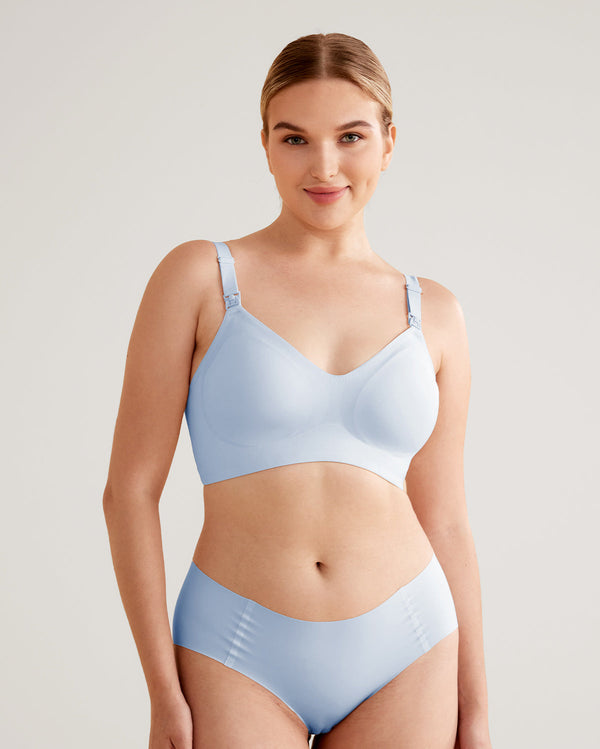
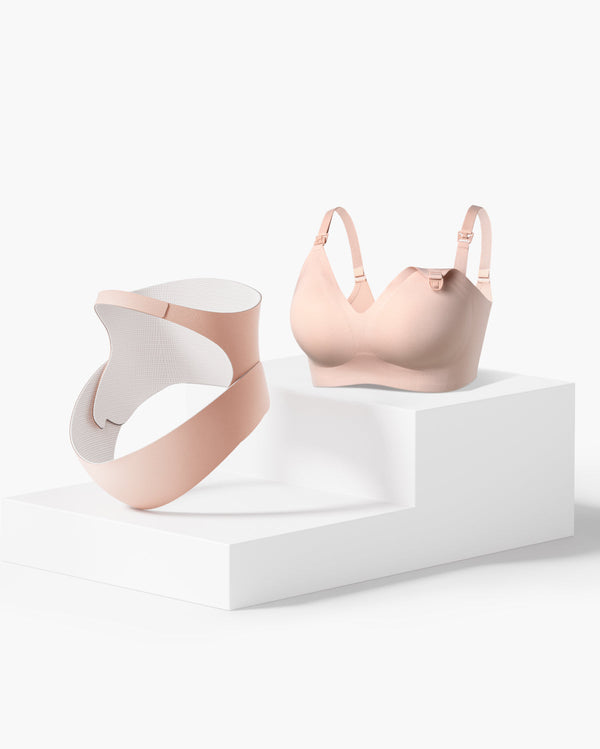
A sleep nursing bra is typically soft with a V neckline that pulls down or uses clips for easy nursing while resting, and it often overlaps with soft-cup styles meant for sleep and lounging. Its design focuses on comfort and access when you are lying down. If you can pull one side down with one hand while on your side, the design is working with you.

|
Feature |
Sleep nursing bra |
More structured nursing bra |
|
Typical feel |
Soft, V neckline or pull-down, often seamless |
Wireless with seams or underwire that prioritizes lift/support |
|
Access |
Pull-down or clip for easy nursing while resting |
Clip-down cups with more structured support |
|
Best for |
Sleep and lounging |
Errands, work, workouts, or pumping sessions |
During pregnancy, bust size can change quickly, and many parents say they like wearing a nursing bra both day and night. Some brands label support levels from soft to extra firm to guide selection, which can help you choose a night option that feels gentle. If your ribcage feels snug by evening, choosing a softer support level can feel kinder.
How a nursing sleep bra can ease third trimester nights
The third trimester spans weeks 29 to 40, and common symptoms include sleep trouble and frequent urination, while some people notice colostrum leakage before birth. A nursing sleep bra offers a soft, consistent layer against tender breasts, which can feel calming when that leakage starts. If you wake to use the bathroom and notice damp spots on your top, having a gentle layer already in place can make it easier to fall back asleep.
A simple bedtime setup
If you lie on your back, the vena cava can be compressed, which can lead to dizziness or nausea, so side sleeping with pillows for support is often more comfortable; back sleeping can be safe up to about week 30 if you have no symptoms. A pillow between the knees and another behind the back helps keep the hips and shoulders aligned. If you roll onto your back and feel off, shift to your side and tuck that back pillow closer so you do not drift again.

For persistent tossing and turning, sleep hygiene is first-line: keeping consistent sleep and wake times, limiting caffeine to the morning, and avoiding screens for about an hour before bed in a cool, dark room. A short nap of about 20 minutes can take the edge off without stealing from the night. Pairing these habits with a soft sleep bra helps your body settle faster because you are not fidgeting with straps or seams.
Pros, cons, and the underwire nuance
Many parents find that flexible nursing bras adapt to changing sizes, and the same styles can be worn both day and night, reducing the need to swap bras during midnight bathroom trips. The upside is steady, gentle support for tender breasts and fewer wardrobe changes when you are already tired. If you have ever yanked a bra off at 1:00 AM, you know comfort is the feature that actually sticks.
Underwire nursing bras are debated because some experts advise avoiding underwire due to possible lymphatic restriction and clogged ducts, while medical guidance says underwire can be fine if properly fitted and not too tight. The difference likely comes down to compression: wires that sit below the breast and leave no painful pressure are safer, while tight bands can contribute to pain, plugged ducts, mastitis, and milk-supply interference. If you feel pain or notice frequent plugged ducts, switch to a softer, wire-free sleep bra at night and reassess the fit.
Sleep now, feed later: postpartum planning
Exclusive breastfeeding is recommended for the first 6 months, with continued breastfeeding alongside complementary foods for the first year or longer as mutually desired. Preparing a comfortable sleep bra in the third trimester supports that goal by making night feeds and pumping less disruptive when your body is still healing. If you set one soft bra by the bed now, those early nights feel less like a scavenger hunt.
Exclusive nighttime breastfeeding was linked with about 30 minutes more nocturnal sleep at one month postpartum compared with using formula at night in a study of first-time mothers. That does not mean breastfeeding guarantees better sleep, but it shows the common worry that formula always buys more rest is not a sure thing. That extra half hour can be the difference between about 5.5 and 6 hours on a tough week.
Materials and safe baby gear considerations
OEKO-TEX STANDARD 100 certification tests every component of a textile product against a list of more than 1,000 chemicals and updates criteria at least once a year. If chemical exposure is on your mind, look for the certification number on the label and verify that it matches the product you are buying. For example, if a listing shows a number like 23.HCN.65865, jot it down so you can confirm it is tied to the exact style you plan to wear.
You deserve rest that feels safe and supported in these final weeks. A soft, well-fitting nursing sleep bra paired with side sleeping and gentle bedtime habits can make nights calmer now and make early feeding days less stressful.
Disclaimer
The information provided in this article is for general informational and educational purposes only. It is intended to share common experiences and practical suggestions for using a soft nursing sleep bra during the third trimester to improve comfort, manage tender breasts or colostrum leakage, and prepare for early nighttime breastfeeding. This does not constitute medical advice, diagnosis, or treatment. Individual experiences with sleep, breast changes, bra fit, and breastfeeding can vary significantly and may be influenced by factors such as pregnancy stage, breast size fluctuations, sleep patterns, pre-existing conditions (e.g. frequent plugged ducts, mastitis history, or lymphatic concerns), colostrum production, or overall health.
Any mentioned benefits—such as gentle support for tender breasts, reduced digging or discomfort at night, easier side-lying access for potential early feeds, fewer midnight changes due to leakage, or improved settling with soft materials—are based on common user reports and general lactation guidance, and are not guaranteed for every person. Potential concerns include: overly tight or poorly fitted bras (including underwire styles), possibly contributing to restricted lymphatic flow, plugged ducts, mastitis, sore breasts, or milk supply interference if compression affects tissue; skin irritation from seams or materials; or disrupted sleep if the bra shifts or feels restrictive during frequent position changes. Underwire bras remain a debated topic—some sources indicate they are generally safe during pregnancy if well-fitted and not digging in, while others recommend avoiding them in early postpartum due to anecdotal links to duct issues; always prioritize comfort and monitor for pain, lumps, redness, warmth, or fever.
Sleep challenges in late pregnancy (frequent waking, back pain, heartburn, etc.) and their potential associations with risks like preeclampsia, gestational diabetes, or longer labors are noted from general studies for awareness only—not as direct causation from bra choice or sleep habits. OEKO-TEX STANDARD 100 certification indicates testing for harmful substances in textiles, offering reassurance on chemical safety for sensitive skin, but verification of the specific certification number for the exact product is recommended, as it does not cover all aspects of use or individual sensitivities.
Before selecting, wearing, or relying on a nursing sleep bra (day or night), adjusting fit as your body changes, or using it to address tenderness, leakage, or sleep issues, please consult your doctor, obstetrician, midwife, lactation consultant (IBCLC), or other qualified healthcare provider—especially if you experience breast pain, redness, swelling, fever, persistent plugged ducts, mastitis symptoms, unusual leakage, sleep disturbances impacting daily function, or any concerns about breastfeeding preparation or supply. Momcozy and the content herein assume no liability for any consequences arising from reliance on the information in this article. You should make your own informed decision about whether any described approach or product is suitable for your pregnancy and postpartum needs, and always prioritize personalized guidance from your healthcare and lactation professionals first.
Rest is precious in these weeks—choose what helps your body feel supported and calm.








