


This guide explains how to pick leak-proof bags and plan storage times so travel stays clean and safe.
Are you staring at a cooler at the airport, wondering if that bag will still be sealed when you open it later? The right bag features and storage habits make the difference between a calm transfer and losing precious ounces on the road. Here’s a clear way to pick leak-proof bags and plan travel storage so you can focus on your baby, not the mess.
What Leak-Proof Really Means for Travel
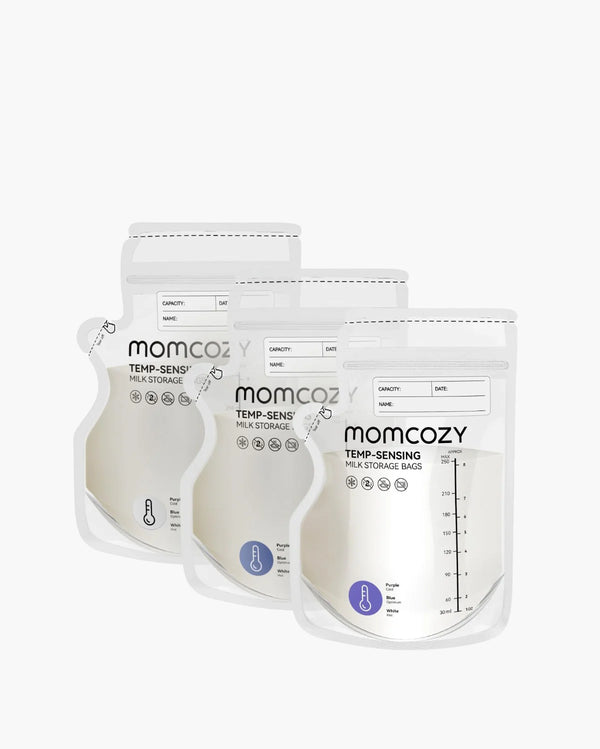
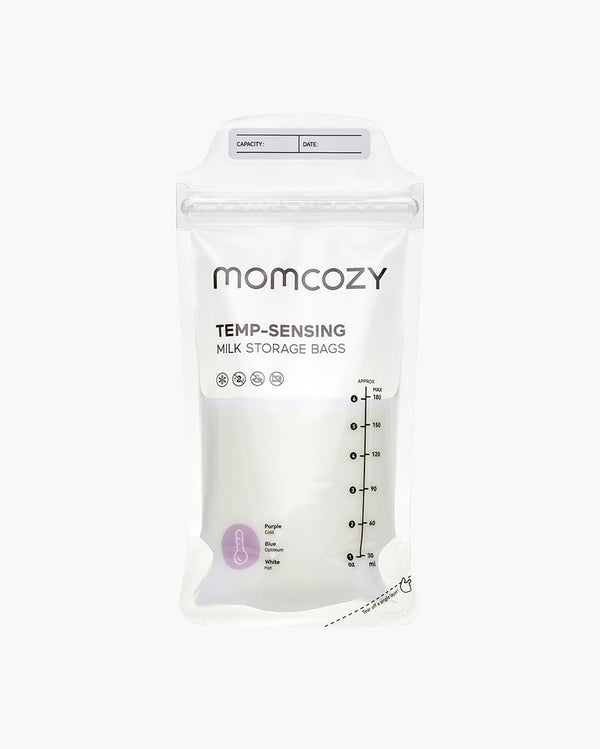
Momcozy Leakproof Breast Milk Storage Bags (60PCS) offer an 8oz capacity with a stand-up design, pre-sterilized material, and leak-proof double seal, ideal for stable filling and freezer storage during travel.
A truly leak-proof travel bag has a double-zip closure and reinforced seams plus thick, food-grade material designed to lay flat in the freezer and stand upright for filling. That steadiness matters when you are filling a bag on a cramped hotel counter or seat tray, because the bag stays upright instead of tipping.

Features like a pour spout, clear labeling area, and volume markings are travel essentials because you often need to measure and pour quickly without a full setup. A label area that takes ink well lets you write the date and time before milk goes in, and pump-compatible bags reduce the number of transfer steps. If you are pumping in a car or airport lounge, fewer transfers mean fewer chances for drips.
Portioning and Labeling to Reduce Waste
Momcozy 6oz Breast Milk Storage Bags (200PCS) feature double-zipper leakproof seals and a stand-up design, supporting 2-4oz portions with headspace for freezing flat and efficient first-in, first-out organization.
Portioning and labeling protect both quality and sanity because breast milk is a living fluid that changes over time.


Portioning in 2 to 4 oz amounts, leaving a bit of headspace so milk can expand when frozen, freezing bags flat, and noting date, volume, and AM or PM support first-in, first-out use. On a day trip, a few 2 to 4-oz bags let you thaw only what you need instead of warming a full stash.

Temperature Windows That Guide Travel Planning
The temperature and time windows below are the baseline most parents use for healthy, full-term babies, and they still apply when you are traveling. If you pump at 9:00 AM and will not reach a fridge until noon, you are inside the 4-hour room-temperature window.
|
Storage location |
Common safe window |
Practical travel note |
|
Room temperature around 77°F |
Up to 4 hours |
Use the shortest window when temperatures fluctuate |
|
Refrigerator at 32 to 39°F |
Up to 4 days |
Keep bags in the back where temps are most stable |
|
Freezer around -4°F |
Up to 6 months |
Freeze flat to save space |
|
Deep freezer around 0°F |
Up to 12 months |
Quality is best used earlier |
Quality declines before safety, so best-quality guidance suggests using frozen milk within about 6 months, even though it can be safe longer, and it advises tighter limits for preterm or medically complex babies. If your baby was born early or has medical needs, set your travel plan around your clinician’s window rather than a general chart.
Choosing Bags for Flights, Drives, and Destinations
Flights and Security
The TSA breast milk rules allow breast milk in reasonable quantities beyond the 3.4-oz liquid limit, even if your baby is not traveling, and you can request a hand inspection instead of X-ray. That means a carry-on with several frozen bags for a work trip is fine as long as you declare them at screening.

Drives and Day Trips
The CDC travel recommendations note that freshly expressed milk can stay in an insulated cooler with frozen ice packs for up to 24 hours, and previously frozen milk should be used within 24 hours after it fully thaws. A 10-hour drive fits inside that window, but plan a fridge transfer right when you arrive.
Destination Storage
Good hygiene and consistent cold temperatures are key once you reach your destination; clean handling and back-of-fridge storage protect milk quality. Thaw in the refrigerator or under warm running water, never in a microwave, and do not refreeze once milk has thawed. At a hotel, tuck bags at the back of the mini-fridge where the temperature is most stable.
Pros and Cons: Standard Bags vs Pump-Attach Pouches
Standard single-use bags with double seals and easy-pour designs are travel workhorses because they are sterile, compact, and stackable. They make it easy to pack a full day’s milk without bulky containers.
Pump-attach pouches let you pump, store, and feed without transferring milk, which reduces spill points, but they are pricier and harder to stack in a freezer or cooler. Dedicated breast milk bags are also safer than DIY baggies or bottle liners, which carry higher spill and contamination risk. If you are pumping between meetings, skipping a transfer can save a step and a cleanup.

For parents who want to reduce single-use plastic, glass containers are considered the safest, non-toxic option, but they take upmore space than flat-freezing bags, so many families use bags for travel and reserve glass for home storage. That split approach keeps your carry-on light while still aligning daily storage with your values.
Travel with milk is a lot, but a solid bag choice plus clear timing rules can make it manageable. Give yourself credit for every ounce you protect, and keep the system simple so you can focus on your baby and your own recovery.
Disclaimer
This article, "How to Choose Leak-Proof Breastmilk Bags for Travel", is provided for general informational and educational purposes only. It is not medical, lactation, pediatric, or professional advice, and it is not a substitute for personalized care from a licensed healthcare professional.
For breast milk handling and storage topics, practical tips in this article (including references to products such as storage bags or related accessories sold by Momcozy) are general guidance only. Safety and quality depend on hygiene, labeling, storage temperature, timing, thawing/warming method, and adherence to official clinical guidance and product instructions.
This content should not replace pediatric or lactation guidance for feeding adequacy, dehydration risk, milk safety concerns, or infant growth concerns. If your baby has poor feeding, dehydration signs, vomiting, fever, or poor weight gain, contact a licensed healthcare provider immediately.
Momcozy sells maternal and baby products, but no product can guarantee identical outcomes for every user. Always read and follow the manufacturer's full instructions, warnings, cleaning/care guidance, and applicable safety requirements before use.
By reading this article, you agree that any reliance on the content is at your own risk. Momcozy, its authors, affiliates, and contributors are not liable for losses or damages arising from the use or misuse of this content or related products. For medical concerns, contact a licensed healthcare provider immediately.








