


Key Takeaways
- A diaper caddy should hold the supplies you reach for during a normal change, not every baby item you own.
- The most useful diaper caddy essentials are diapers, wipes, diaper cream if used, a changing liner, sanitizer, and small cleanup backups.
- Clean supplies belong in the caddy; dirty diapers, used wipes, and soiled clothes need a separate disposal or laundry plan.
- Most families benefit from one primary diaper caddy and one smaller backup kit for another room, car, or caregiver location.
- Keep diapering supplies within your reach but out of your baby’s reach, especially creams, small tools, and disposable bags.
Having a well-equipped diaper caddy available can make diaper changes around the clock easier, faster, and less stressful. There are no complicated or expensive items in the best diaper caddy essentials list: diapers, wipes, just a few skin-care items, a clean changing surface, and the little more-or-less essential items you actually use. The objective is to have clean supplies nearby without making your caddy a heavy catchall.
This guide is about what goes in a diaper caddy, what doesn't, and how to arrange various caddies at home. It also addresses how a caddy works into the changing room as well as where a diaper pail goes when you require a spot for soiled diapers and used wipes.
What Is a Diaper Caddy?

A diaper caddy is a portable organizer for clean items you will require during diaper changes. It could also be known as a diaper organizer, diaper change organizer, nappy caddy or nursery caddy. Some parents will use a small basket with handles; others will use a divided caddy tray, plastic storage bin or rolling cart.
The caddy can function more like a mini changing station, allowing for the seamless transfer of diapers, wipes, creams and a few other supplies from one room to another. If you're setting up a nursery from scratch, it's also worth knowing that Momcozy has a playard launching next month. It switches between bassinet and playard mode with one touch, and pairs with a changing table (sold separately) for a complete diaper-changing setup - for more guidance on setting up your space, see our guide on how to create a baby changing station.
The ideal diaper caddy is easy to transport using one hand and well-organized so that another carer can locate the supplies in no time. When it is full of things it can't lift, or too dirty and cluttered to use, it is no longer solving the problems it was designed to solve.
Diaper Caddy Essentials Checklist: What Should Go in Every Caddy?
Don't begin with a full nursery inventory; just the items required for the next few changes. A diaper caddy should be easy to replenish daily or every few days. You may need to alter the amounts depending on your baby's age, frequency of use, and whether the caddy being used is your primary or emergency caddy.
| Item | Why it belongs | Suggested quantity | Notes |
|---|---|---|---|
| Diapers | Core supply for every change. | 6-10 for a main caddy; 2-4 for a backup kit. | Check size often so outgrown diapers do not sit in the caddy. |
| Wipes | Used for cleaning during most changes. | One full pack or travel pack. | Place on top or in a side slot so they can be reached with one hand. |
| Diaper cream or barrier ointment, if used | Helpful when your baby’s care routine includes a protective barrier. | One tube or small jar. | Use only as directed and keep it out of baby’s reach. |
| Changing pad, liner, or disposable cover | Creates a cleaner surface for portable changes. | 1 reusable pad or a few disposable liners. | Especially useful for couch, floor, travel, or caregiver setups. |
| Hand sanitizer | Helpful when soap and water are not immediately available. | One small bottle. | Handwashing is still best when available, especially after dirty diapers. |
| Burp cloth or small towel | Useful for drying skin, catching spit-up, or handling small messes. | 1-2 cloths. | Choose washable cloths and replace them when soiled. |
| Small distraction item | Can help keep wiggly babies calmer during a change. | 1 small toy or pacifier. | Avoid small choking hazards and inspect items regularly. |
| Disposable bag for emergencies | Gives you a temporary option when away from the main disposal spot. | 2-3 bags. | Do not store dirty diapers in the caddy long term. |
After a few days, edit your list based on real use. If you never reach for an item during a change, move it to a drawer. If you keep leaving the room for the same item, add it to the caddy.
Nice-to-Have Diaper Caddy Items That Depend on Your Routine
Nice-to-have items are useful only when they match your baby’s routine, your feeding setup, or the location of the caddy. They should not crowd out the essentials or make the caddy too heavy to carry.
- Extra baby outfit for leaks, spit-up, or blowout situations.
- Stain pretreatment spray or stick for soiled clothes, stored safely away from baby’s reach.
- A wet bag or laundry bag for clothing, not for storing dirty disposable diapers.
- Soft drying cloth if you prefer to let skin dry before fastening a clean diaper.
- Nail file, small brush, or comb if grooming naturally happens near the changing area.
- Thermometer, nasal aspirator, or other care items only if they are part of your normal routine.
- Breast pads, nipple cream, or a burp cloth if the caddy also supports a nursing spot.
- A small parent item such as lip balm or hair tie for long feeding-and-changing sessions.
Treat this list as optional. A nursery caddy for a newborn may need extra cloths and outfits. A downstairs caddy for quick daytime changes may need only diapers, wipes, cream, a liner, and a disposable bag.
What Not to Put in a Diaper Caddy
The diaper caddy is responsible for setting up cleaning stations. Should not be used to store dirty diapers, soiled clothing, used wipes, or items that can roll around near your baby. Avoid putting used diapers or wipes in the caddy. Place in a lined, covered trashcan (or diaper pail) after the change.
- Do not use a caddy as a laundry basket. Put soiled clothes in a laundry basket, wet bag or stain-treatment space.
- Avoid putting small grooming tools, sharp objects, or medication in an open organizer.
- Do not leave medications, small grooming tools, or sharp items loose in an open organizer.
- Do not stuff full bottles of lotion, sanitizer or cleaner; these bottles will become caddy burdens or spills.
- Do not store outgrown diapers, outgrown clothes, empty wipe packs, or old samples in the caddy.
- Do not leave the caddy in a position where a baby or toddler can pull it down, open creams or reach small objects.
This separation is important because it helps to maintain a clear changing area: cleaner items remain in the caddy, larger supplies remain in drawers or closets, and dirty items go to disposal or laundry.
Diaper Caddy vs Diaper Bag vs Diaper Cart vs Diaper Pail

Many parents use both of these together, but they address different problems. With a couple of exceptions, it is easier to select the proper setup if storage, portability, and disposal are considered separately.
| Item | Best use | What it holds | Where it lives | What not to use it for |
|---|---|---|---|---|
| Diaper caddy | Portable home organizer for clean changing supplies. | Diapers, wipes, cream, liner, small backups. | Nursery, bedroom, living room, caregiver home. | Dirty diapers, soiled clothes, bulk storage. |
| Diaper bag | Out-of-home kit for errands, appointments, and travel. | Diapers, wipes, changing pad, extra clothes, bottles, snacks. | Car, stroller, public changing rooms. | Long-term home organization or dirty-diaper storage. |
| Diaper cart | Larger rolling organizer for a nursery or shared room. | More diapers, wipes, clothes, blankets, pumping or feeding items. | Fixed room or nearby hallway. | Small spaces where a cart becomes clutter. |
| Diaper pail | Fixed disposal solution for dirty diapers and used wipes. | Dirty diapers in a lined bag or compatible trash bag. | Beside a fixed changing area, away from baby’s reach. | Clean supplies, clothes, creams, or toys. |
For a fixed changing area, a stocked caddy pairs well with an odor-locking diaper pail. The caddy keeps clean supplies within reach, while the pail gives dirty diapers a separate place to go after the change.
How to Set Up a Diaper Caddy for Newborns

The newborn diaper caddy should be easy to replace, as the baby is prone to frequent diaper changes. Keep it simple, flexible and functional. There is no need to bring all the baby products for newborns to the caddy on day one.
Newborn-size diapers, wipes that suit your baby’s routine, diaper cream or barrier ointment (if applicable), a soft cloth to dry your baby's bottom, a backup outfit and a few changing liners for your newborn. If the changing area is also close to a feeding spot, provide burp cloths.
A caddy checklist doesn't go as far as umbilical care, meconium, diaper frequency and changes of clothes in the first week. The key is that your caddy is able to make those frequent early changes faster and more organized, for this article.
How to Set Up Diaper Caddies by Location
You may not need the same caddy in every room. A main caddy can hold more supplies, while backup kits should stay lighter and focused on the next few changes.
| Location | What to include | Setup tip |
|---|---|---|
| Nursery or main changing area | Diapers, wipes, cream, liner, cloths, backup outfit, sanitizer. | Use this as the most complete caddy. Pair it with a fixed disposal setup nearby. |
| Downstairs or living room | Diapers, wipes, portable liner, cream, small toy, disposable bags. | Keep it light so it can move from couch to floor to play area. |
| Bedroom or night setup | Diapers, wipes, cream, soft cloth, dim-light-friendly organization. | Arrange items in the same order every night so you do not search while tired. |
| Car backup kit | Diapers, wipes, portable changing pad, extra outfit, disposable bags. | Avoid leaving heat-sensitive creams in a hot car for long periods. |
| Grandparent or caregiver home | Diapers in current size, wipes, cream instructions, extra clothes, disposal bags. | Label items if another caregiver may not know your routine. |
A car kit deserves special attention. It should solve emergency changes, not replace a diaper bag. Keep it small, rotate supplies by season, and refresh diaper sizes whenever your baby sizes up.
How to Organize a Diaper Caddy So You Can Find Everything Fast
Organization matters most when one hand is on your baby and the other hand is reaching for supplies. Put the most-used items where they can be grabbed quickly.
- Keep diapers up and standing to see the size and pull them one at a time.
- Keep wipes on the top or in the outside pocket to have quick access to them.
- Keep the cream in a separate pouch to avoid getting it on diapers or clothes.
- Use a zip pouch instead of small compartments for small tools, pacifiers, and grooming needs.
- Store rarely used items or backup clothes in the bottom or back of the caddy.
- Apply the layout to multiple caddies in order to facilitate rapid identification of supplies.
- If grandparents, babysitters or more than one person are sharing the same setup, use label pouches.
Avoid the common habit of adding a new item every time you think of one. A caddy should support a calm diaper change, not become a cluttered storage bin.
How Often Should You Restock and Clean a Diaper Caddy?
If you have a main diaper caddy, do so once daily during the newborn stage. Older babies might only need every few days. You'll find it easier to restock before you're out than if you find yourself with a wipe pack empty during a hectic change.
Basic restocking could involve changing diapers, monitoring wipes, getting rid of clothes that have outgrown the baby, changing sizes and getting rid of products that are no longer being used. A cream, spray, or sample is removed if it's expired or leaked from the caddy.
The cleaning is based on the caddy material. Plastic or wipeable caddies can usually be wiped down as needed. Caddies made of fabric or felt should be treated according to the manufacturer's directions. Use removable pouches, as these will keep creams, ointments, and small bottles from spilling into the whole organizer.
Safety and Hygiene Rules for Using a Diaper Caddy
A diaper caddy should help keep you from walking away while you are changing. The American Academy of Pediatrics recommends keeping diaper supplies handy, never leaving a child unattended on a changing table and keeping a hand on a baby at all times.
Washing hands after the diaper change, cleaning the diapering surface when necessary, and disposing of dirty diapers and used disposable wipes safely are also highlighted in the CDC diaper-changing guideline. A caddy may assist in keeping clean equipment close by, but this is not a substitute for good hygiene or careful supervision.
- Keep the caddy within your reach and not your baby's reach.
- Secure or store creams, sanitizer, and small tools high enough that a child cannot reach these items.
- Use the caddy to avoid leaving your baby on a raised surface to search for supplies.
- Place dirty diapers or used wipes in a lined, covered trash can or diaper pail after the diaper is changed.
- If there are spills, leaks, or visible mess, clean the changing surface.
- If soap and water are available, wash hands after diaper changes.
A diaper caddy, changing pad, or diaper pail should never be labeled as a preventive for infection, diaper rash or odor. When used correctly, they're tools for organization and disposal that help keep your routine cleaner.
Where a Diaper Pail Fits in Your Changing Setup
A diaper caddy organizes clean supplies. A diaper pail handles dirty-diaper disposal. Keeping those jobs separate makes the changing area easier to use and easier to clean.
If you have a fixed nursery or an infant's bedroom, keep the diaper pail near the changing table but out of the way from the traffic areas and ensure the diaper pail is out of your baby's reach. This way, you can complete the change, seal off the dirty diaper and get on with it without carrying diapers around the room.
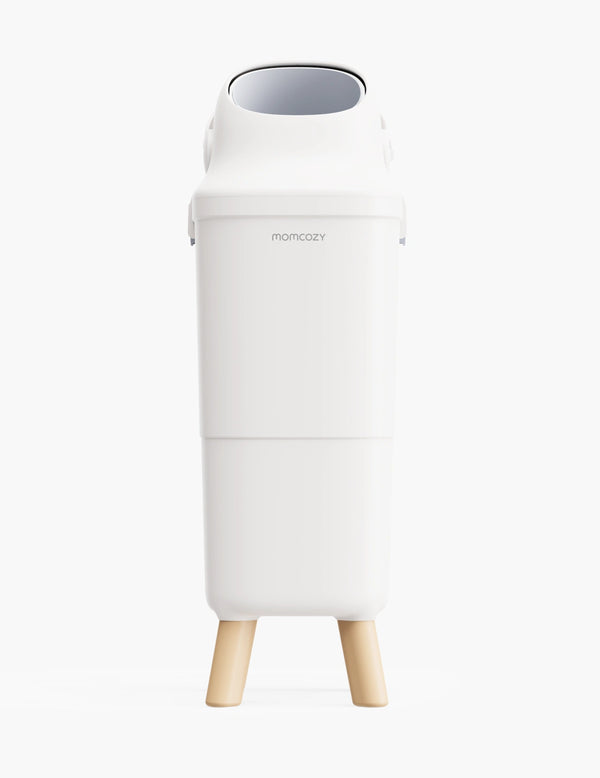
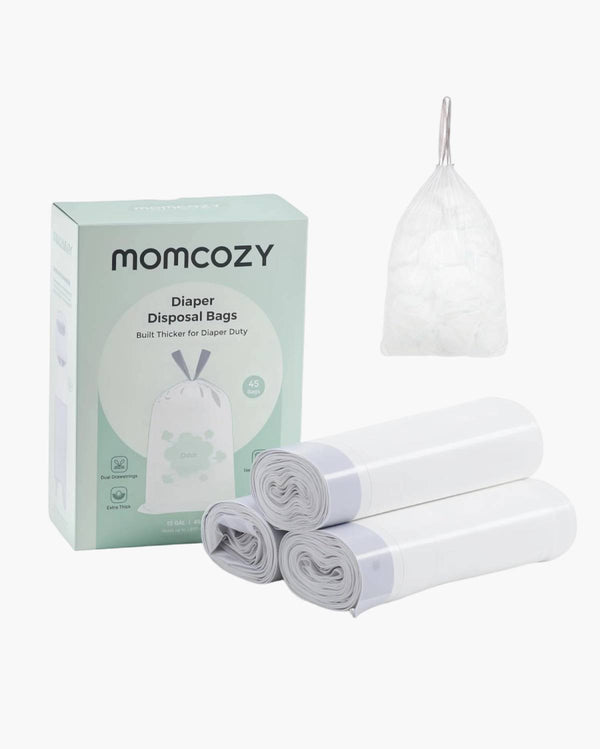
The Momcozy Triple-Seal Diaper Pail is a good fit for families who want a separate diaper trash pail next to the main changing station. It uses a rotating opening that seals in odor as each diaper drops, has a hands-free lid and child safety lock, and fits standard 13-gallon trash bags.
For more diaper-pail planning, you can also read what a diaper pail is, how to choose a diaper pail for odor control, and how to keep a diaper pail from smelling. Use those guides for disposal details while keeping this caddy article focused on clean-supply organization.
Common Diaper Caddy Mistakes to Avoid
A diaper caddy becomes less useful when it is overfilled, unsafe, or used for the wrong job. These are the mistakes to watch for.
- Overpacking the caddy until it becomes too heavy to move.
- Packing every sample or registry item instead of the supplies used during real changes.
- Keeping creams, sanitizer, or small grooming tools within baby’s reach.
- Forgetting backup clothes or disposal bags in secondary locations.
- Leaving newborn-size diapers in the caddy after your baby has sized up.
- Using the caddy as a dirty-diaper holding area instead of setting up proper disposal.
- Making each caddy layout different, which slows down tired parents and caregivers.
The solution is simple: have essentials within reach; limit extras; leave dirty laundry out of the way; and have a regular restocking schedule.
FAQ
How many diapers should I keep in a diaper caddy?
The main diaper caddy should have 6-10 diapers for several changes that don't overfill the organizer. For a backup caddy or car kit, 2 to 4 diapers may be enough. Modify based on the child's age and frequency of use.
Do I need more than one diaper caddy?
Families desire to have one big caddy and one smaller caddy in another room, downstairs space, car, caregiver's home, etc. If you already have a portable caddy that moves easily, you don't need more than one full setup.
Can a diaper caddy replace a diaper bag?
No. The diaper caddy serves for organizing the home, and the diaper bag is one you would pack if you were going out of the house. A caddy will be able to refill your diaper bag, but this typically does not include bottles, snacks, weather products, or travel supplies.
What should I put in a car diaper caddy?
A car diaper caddy or backup kit should include diapers, wipes, a portable changing pad, an extra outfit, and disposable bags. Avoid leaving heat-sensitive creams or products in a hot car for long periods.
Should diaper cream go in every diaper caddy?
Diaper cream belongs in a caddy if it is part of your baby’s routine. If you use it only occasionally, keep one tube in the main changing area and skip it in small backup kits unless you often need it there.
What is the difference between a diaper caddy and a diaper cart?
A diaper caddy is smaller and easier to carry. A diaper cart is larger, usually rolling, and better for storing more supplies in one fixed area. A caddy is better for quick changes in different rooms.
Should dirty diapers go in a diaper caddy?
No. Dirty diapers and used wipes should not sit in a diaper caddy. Use a lined, lidded trash can or diaper pail for disposal, and use a laundry basket or wet bag for soiled clothing.
Conclusion
The best diaper caddy is not the biggest one or the fullest one. It is the one that keeps your most-used clean supplies within reach, stays easy to carry, and fits the way your family changes diapers every day.
Start with diapers, wipes, cream if used, a changing liner, sanitizer, and a few cleanup backups. Then test the setup for several days. Add only what you actually reach for, remove anything that creates clutter, and build a separate disposal or laundry plan for dirty items.
A caddy keeps the clean side of the routine organized. A diaper pail, lined trash can, wet bag, or laundry basket handles the dirty side. Keeping those roles clear can make diaper changes simpler, cleaner, and easier for every caregiver.








