


Breast pumps are a vital tool for many mothers. However, just as important as the act of pumping is to ensure your pump and its components are clean and hygienic. Properly cleaning and sterilizing breast pump parts not only protects your baby from harmful bacteria but also ensures the pump's effectiveness and longevity. And beyond feeding equipment, parents often find it helpful to use a baby nasal aspirator to gently clear their little one’s nasal passages, supporting easier breathing and overall comfort.
Today, we'll take you step-by-step through washing , sterilizing, and drying your breast pump parts in an effort to help keep your breast bumping safe and efficient.
Part 1. Before you pump: how to keep your pump kit clean
Follow these key steps before each pumping session for a clean and safe breast pump kit:
Wash Your Hands. Thoroughly wash your hands with soap and water for at least 20 seconds. Which helps reduce the risk of contaminating the pump parts with bacteria or germs
Clean the Pumping Area. Use disinfectant wipes to sanitize the surface where you'll place your pump-an important thing to do if you're in a shared space or using a communal pump. Be sure to wipe down any dials, power switches, and countertops
Assemble a Clean Pump Kit. Inspect your pump kit for any mold, dirt, or damage, especially in the tubing and valves. Only use a clean, dry kit for each session to ensure no contamination
If Using a Shared Pump, Clean It. Clean the exterior surfaces of the pump thoroughly with disinfectant wipes, paying attention to frequently touched areas like the buttons and handle. The step is extremely required in shared spaces like hospitals or workplaces
Part 2. How to wash breast pump parts after using?
After using your breast pump, don't forget to clean all parts that come into contact with milk. You can either use a specialized washer like the Momcozy KleanPal Pro Baby Bottle Washer and Sterilizer or clean the parts by hand using warm, soapy water. For parents who want a dedicated solution for washing bottles, pump parts, and other feeding accessories, the Momcozy Deepclean Baby Bottle Washer (D8) can also help make daily cleanup more convenient.
Which Breast Pump Parts Should Be Washed?
The parts that need washing typically include:
- Breast shields (flanges)
- Valves
- Membranes
- Connectors
- Milk collection bottles
- Backflow protectors (if applicable)


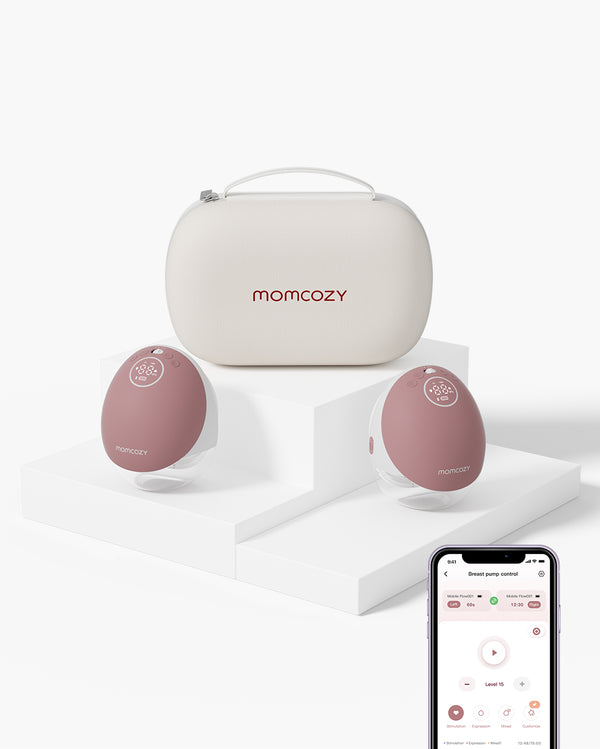
For a pump that’s easy to dismantle and clean thoroughly after each use, the Momcozy M9 Mobile Flow Hands-Free Breast Pump is a good choice — its components are designed for easy washing and sterilization.

How to Wash and Sterilize Breast Pump Parts in a Bottle & Pump Washer and Sterilizer
With the Momcozy KleanPal Pro bottle washer, you can automatically wash and sterilize your breast pump parts, all in one machine, eliminating the need for separate manual cleaning.
Step 1: Preparation
Before cleaning, pour out any remaining breast milk from the pump parts, then disassemble your pump parts, remove valves, membranes, and any small pieces.

Step 2: Place the Parts into the Machine
Place them inside the washer, removing the holders if you need more space.

Step 3: Add Detergent and Water
Place one detergent tablet into the machine. Fill the water tank with the appropriate amount of water, making sure it stays above the minimum line.

Step 4: Choose the Cleaning Mode
Press the "ON/OFF" button. Select the appropriate mode from the 9 available cleaning modes, such as the 19-minute Rapid Wash or 29-minute Normal Wash, totally depending on your time and needs. You can also press "STEAM" to adjust the steam or "STORAGE" for up to 72 hours of fresh air storage.

Step 5: Wait for Cooling
After the drying cycle is complete, wait for 10 minutes before you remove the items. This allows them to cool down and ensures your safety. And place the pump parts inside the washer, ensuring each part is securely positioned on the spray sticks for optimal cleaning.
To make each use safer and more reassuring, we have enlarged the safety label near the drain hose and made it easier to see. Hot water may remain inside the unit after a cycle. Please place the drain hose below the outlet to prevent residual water, avoid direct contact with any discharged water, and keep children away from the area. Before handling, cleaning, or storing the product, always allow the unit and any remaining water to cool.
If you're looking for a more convenient way to clean breast pump parts, the Momcozy D8 can help simplify the process. Once you've disassembled the parts, the machine handles the cleaning cycle for you, reducing the amount of manual scrubbing required.
Step 1: Disassemble the Pump Parts
Separate all parts that come into contact with breast milk, including flanges, valves, membranes, connectors, and collection bottles. Discard any leftover milk before cleaning.

Step 2: Load the Parts into the D8
Place the pump parts inside the machine. For proper arrangement and placement, follow the official Momcozy D8 tutorial.

Step 3: Add Water and Detergent
Fill the water tank and add detergent according to the machine’s instructions.

Step 4: Select a Cleaning Program
Choose the appropriate cycle based on your needs, then start the machine. The D8 will handle the washing process automatically.

Step 5: Allow the Cycle to Finish
Allow the full cycle to complete before opening the machine. If drying is included in the selected program, let it finish fully.

Step 6: Remove and Store the Parts
Once clean and dry, carefully remove the parts and store them in a clean, dry place until next use.

Tip: Always check your breast pump manufacturer's instructions to confirm which parts are washer-safe before cleaning.

How to Clean a Breast Pump by Hand
If you're cleaning your breast pump by hand, follow these steps:
Step 1: Disassemble the Parts. Separate all parts that come into contact with milk, including the breast shields, valves, membranes, and bottles.
Step 2: Rinse. Rinse each part thoroughly under running water to remove any remaining milk residue.
Step 3: Wash. Fill a wash basin with warm, soapy water and scrub the parts using a bottle brush. Make sure this basin and brush are used exclusively for cleaning pump parts to prevent contamination.
Step 4: Rinse Again. Rinse all parts under running water again to ensure no soap residue remains.
Step 5: Dry. Air dry the parts on a clean, unused dish towel or paper towel. Do not use a towel to wipe them dry, as this can transfer bacteria.

Part 3. Do I Need to Clean the Breast Pump Tubing?
You may have noticed that we didn't include the breast pump tubing in the parts that should be washed. Well, to wash or not to wash; it depends
Breast pump tubing is an essential component in many electric breast pumps. Its main function is to connect the pump motor to the breast shields, creating a vacuum that allows milk to be expressed from the breast. The tubing itself doesn’t usually come into direct contact with breast milk, that's why in most cases, you don't have to take the needless trouble to clean the breast pump tubing.
However, there are situations where cleaning or replacing the tubing becomes necessary:
- If Milk or Condensation Enters the Tubing. Tubing can sometimes get milk or moisture inside, particularly if the pump is used incorrectly or malfunctions. If this happens, it is important to either clean or replace the tubing immediately. Milk in the tubing can lead to mold growth, which is difficult to clean and unsafe for the baby.
- Visible Mold or Mildew. If you notice mold inside the tubing, it should be discarded and replaced, as cleaning may not fully eliminate mold.
- Routine Inspection. While you may not need to clean the tubing regularly, it's important to inspect it often for moisture, mold, or damage.
For day-to-day use, wiping the exterior of the tubing with a damp cloth or disinfectant wipe can help keep it clean from dust or dirt. If the tubing becomes discolored, develops cracks, or contains mold, it’s safer to replace it with new tubing. Properly fitting and functioning tubing is critical for the pump to work effectively.
Part 4. How Do I Sterilize Breast Pump Parts?
Depending on your baby's needs and your equipment, there are several ways to sterilize the parts effectively.
Do You Need to Sterilize Breast Pump Parts After Every Use?
No, it is not necessary to sterilize breast pump parts after every use as long as you've washed them thoroughly after each pumping session. Sterilization is recommended for newborns under three months, premature babies, or babies with weakened immune systems.
How Often to Sterilize Pump Parts
For newborns and babies with health conditions, it is recommended to sterilize parts daily. For healthy older babies, sterilize the parts every few days or after every few uses.
How Do I Sterilize Breast Pump Parts with Sterilizers?
The Momcozy D8 Bottle Washer offers a more specialized, all-in-one solution for cleaning breast pump parts. Unlike manual washing, which requires separate scrubbing and sterilizing steps, the D8 streamlines the entire process into a single automated cycle.
It uses high-pressure water jets to clean residue thoroughly, including smaller pump components such as valves and membranes that can be more difficult to wash by hand. It then follows with sterilization to help ensure hygienic results and can also support drying depending on the selected program. Because the entire process takes place in one machine, there's less need to transfer parts between different cleaning and drying tools, making it especially convenient for busy parents who want a more hands-off routine.
🧼 With the Momcozy D8 Bottle Washer, you can cut down on manual scrubbing as it takes care of most of the cleaning in one cycle, helping you save time while maintaining consistent hygiene. ✨
1. Disassemble the Pump Parts: Take apart all milk-contact parts (flanges, valves, membranes, connectors, bottles) and discard any leftover milk.
2. Load into the D8: Place all parts securely inside the machine with proper spacing for effective cleaning.
3. Add Water and Detergent: Fill the water tank and add detergent as instructed.
4. Start the Cycle: Select the appropriate program and press start. The D8 will handle the cleaning automatically.
5. Wait for Completion: Let the full cycle finish, including drying if selected. Do not open early.
6. Remove and Store: Take out the clean, dry parts and store them in a clean, dry place until next use.


How to Sterilize Pump Parts in Boiling Water
- Disassemble all parts that come into contact with milk.
- Boil water in a large pot.
- Once boiling, submerge the parts (flanges, valves, membranes, bottles) in the water.
- Boil for 5 minutes.
- Remove the parts using tongs and place them on a clean, unused towel to dry completely.

Part 5. Do I Need to Dry Breast Pump Parts After Sterilizing?
Yes, drying breast pump parts completely after sterilization prevents the growth of bacteria and mold.
If you intend to dry breast pump parts as fast as possible, you can do as follows:
- Air dry. Place pump parts on a clean, unused dish towel or paper towel and allow them to air dry. Note that using a cloth to wipe can introduce germs
-
Use a sterilizer with a drying function. Devices, like the Momcozy KleanPal Pro, automatically dry breast pump parts following sterilization and keep them stored and sterile for up to 72 hours. For parents who prefer a more streamlined option, the Momcozy D8 Bottle Washer combines washing, sterilizing, and drying in one cycle, reducing manual steps and the need to move parts between different tools.
FAQs
How do I sterilise breast pump parts?
First wash all milk-contact parts in hot, soapy water and rinse. Then sterilise using any one method: boil them for about 5 minutes, use microwave steam bags, run an electric steam steriliser, or soak in a cold-water sterilising solution. Let everything air-dry fully on a clean towel before storing or reassembling.
Do I need to sterilise breast pump parts after every use?
No — wash parts after every use, but you only need to sterilise once a day for a healthy, full-term baby, per CDC and NHS guidance. Sterilise more often if your baby was premature, is under 3 months, or has a weakened immune system. Thorough washing after each session is the essential daily step.
How do I sterilise pump parts without a steriliser?
Boiling is the simplest no-equipment method: submerge the washed parts in a pot of water, bring to a rolling boil for 5 minutes, then lift them out with clean tongs and air-dry. Microwave steam bags are another low-cost option. Always check that your specific parts are labelled safe for boiling first.
Can I sterilise breast pump parts in a bottle steriliser?
Yes, if the parts are steam-safe — most pump flanges, valves, and bottles are. Wash them first, arrange them so steam reaches all surfaces, and run the cycle. An electric bottle steriliser is one of the easiest ways to sanitise pump parts; see our guide on cleaning your bottle steriliser to keep the unit itself germ-free.
Do breast pump parts need to be completely dry before use?
Yes. Let parts air-dry fully on a clean, dedicated towel or rack before reassembling or storing them. Lingering moisture lets bacteria and mould grow, which can contaminate your milk. Avoid rubbing them dry with a cloth, as that can transfer germs and lint — air-drying is the hygienic choice.
Do I need to sterilise pump parts before the first use?
Yes. Before you use a new pump for the first time — ideally before your baby arrives — wash all parts and sterilise them once to remove any manufacturing residue and germs. After that initial sterilise, you can switch to the routine of washing after every use and sterilising once daily.
Can I just sterilise pump parts without washing them first?
No. Sterilising alone won't remove milk residue, and dried-on milk can shelter bacteria from the steam or boiling water. Always wash first in hot, soapy water — or a dishwasher cycle — to physically remove milk, then sterilise. Skipping the wash step makes sterilising far less effective.
What's the difference between washing and sterilising pump parts?
Washing physically removes milk and residue with soap and water and must happen after every use. Sterilising then kills remaining germs using heat, steam, or solution, and is recommended once a day for most babies. They're complementary steps: wash for cleanliness every time, sterilise for extra protection daily.
Summary
An often clean and sterile breast pump holds the key to safe feeding. While washing after every use is necessary, daily sterilization isn't always a needed option—though it's a must for newborns and babies with health concerns. With tools like the Momcozy KleanPal Pro, you can streamline the daunting cleaning process, combining washing, sterilizing, drying, and even storage.








