


This guide highlights the pump features that best support low milk supply and how to use them comfortably and consistently.
For low milk supply, the most helpful electric pump features are strong but comfortable adjustable suction, double-pumping capability, and a fit that lets you pump often without pain.

Are you staring at the bottle after another late-night session, wondering why the ounces are still low? When milk removal is consistent and effective, supply is more likely to respond, which makes pump efficiency and comfort the levers you can control. You will get clear guidance on the features that matter, how to choose between pump styles, and how to make them work in real life.

Match The Pump Class To A Low-Supply Goal
Electric And Double Are The Baseline
A motor-driven electric pump is typically more efficient and comfortable for frequent sessions, while a manual pump is smaller and more portable but requires more effort and tends to be less efficient. In my early weeks, the extra hand effort made it harder to keep up during overnight stretches.
Double pumping tends to increase output while cutting time compared with one breast at a time, which is why it is usually the better choice when supply is low. If you are pumping after most feeds, saving even a few minutes per session can be the difference between sticking with a full day of sessions and dropping one.
A short-term boost plan of 15 minutes every 2 hours already adds up to about 3 hours of pumping in a day, so efficiency and comfort are not optional.
Hospital-Grade And Wearable Tradeoffs
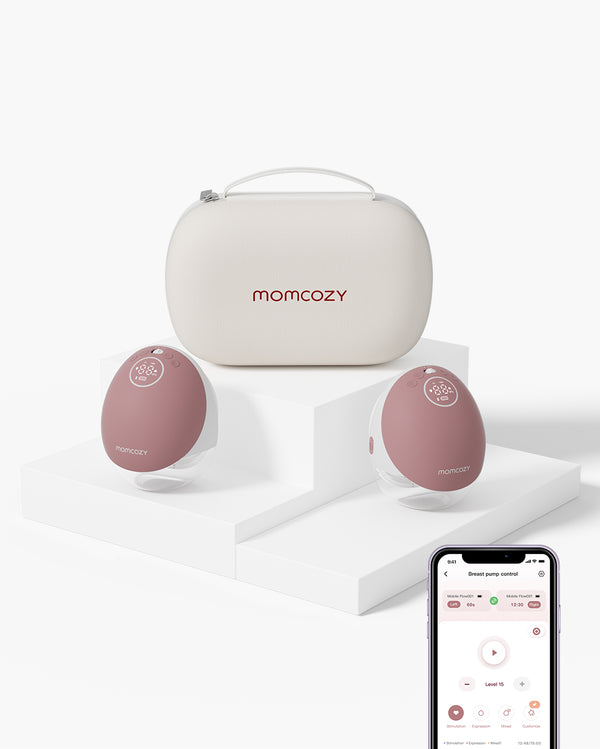
The Momcozy M9 is a double wearable electric pump with adjustable suction levels and a compact design that supports convenient pumping during busy routines. It supports mobility while offering customizable settings to maintain output during low-supply phases.

Pumps described as hospital-grade or multi-user rental pumps are typically designed for clinical settings and heavy, frequent use. These pumps are usually larger and may be rented through hospitals or lactation clinics. Personal-use electric pumps, including wearable designs, prioritize convenience and portability for daily home or on-the-go pumping. Lactation experts note that “hospital-grade” is sometimes used loosely in marketing, so check whether a model is a true multi-user rental pump or a personal-use pump with strong suction.
Wearable pumps are appealing for mobility, yet wearables may not empty the breast as well, which can matter when supply is low. Early on, smaller motors and fit limitations can reduce effectiveness, so many parents treat a wearable as a secondary pump once output is steadier.
Features That Actually Move Milk
Suction Range And Control
A wide range of suction settings lets you find the strongest comfortable pull that keeps milk moving without pain, which is more sustainable than staying at a high setting. I have found that starting a little gentler and stepping up once milk is flowing keeps sessions calmer and more consistent.
Guidance on avoiding overly high suction is important because pain can make you pump less often, and frequency is a main driver of supply.
Fit And Flange Are Output Features
The flange is the shield that sits around the nipple, and a poor fit can reduce output while causing discomfort or tissue irritation.
Sizing is not one-size-fits-all; some lactation specialists note many parents need smaller shields around 0.5 to 0.75 in., even when pumps ship with closer to 0.9 to 1.1 in. If one nipple measures about 0.6 in. and the other 0.8 in., two sizes or inserts can prevent rubbing and help both sides drain, and switching to a closer fit was the biggest comfort upgrade in my own early pumping days.

Hygiene And Maintenance
Real-world testing highlights ease of setup, cleaning, and comfort as core criteria, given that parts are handled multiple times per day. If cleaning takes 5 extra minutes per session, four sessions add 20 minutes to a workday, which is why fewer parts and clear assembly matter.
A closed-system design with hygienic protectors adds a hygiene-focused barrier that can make daily maintenance feel simpler when you are already stretched thin.
Make The Features Work Day To Day
Comfort Supports Flow
Pairing a pump with a lactation massager, like the Momcozy S12 Pro bundle, helps improve milk flow with gentle compression during pumping. This combo enhances comfort and effectiveness for daily routines.
Simple steps like a warm, moist compress and gentle breast massage can help milk start flowing and make the session feel less tense. I keep a small washcloth by the pump and use it for a minute before starting on slow mornings.
Supply-Boosting Rhythms
A power-pumping routine of 10 minutes on and 10 minutes off for an hour, once a day, can help nudge supply after 4 to 5 days, especially when done in the afternoon window described in that guidance.

Know When To Get Help
An IBCLC lactation consultant can assess latch, flange fit, and pump parts when supply is not improving or pumping hurts. Even a brief fitting session can prevent buying multiple shields that do not work.
Low supply is stressful, but the right features make frequent pumping doable: a comfortable double electric, a fit that does not pinch, and settings you can adjust gently. Give yourself permission to choose ease and consistency; both support your supply and your well-being.
Disclaimer
This article, "Best Electric Breast Pump Features for Low Milk Supply", is provided for general informational and educational purposes only. It is not medical, lactation, pediatric, or professional advice, and it is not a substitute for personalized care from a licensed healthcare professional.
For breast pump and exclusive-pumping topics, products discussed (including wearable or portable pumps and accessories sold by Momcozy) are consumer products, not medical devices. Comfort, output, and milk-removal effectiveness vary by flange fit, anatomy, suction settings, pumping schedule, and correct assembly/cleaning. No product guarantees milk supply outcomes.
Do not rely on this content alone to assess low supply, nipple trauma, clogged ducts, mastitis, infant intake, or infant growth. If you have persistent pain, fever, breast redness, sudden output decline, or concerns about your baby's feeding, seek medical care promptly.
Momcozy sells maternal and baby products, but no product can guarantee identical outcomes for every user. Always read and follow the manufacturer's full instructions, warnings, cleaning/care guidance, and applicable safety requirements before use.
By reading this article, you agree that any reliance on the content is at your own risk. Momcozy, its authors, affiliates, and contributors are not liable for losses or damages arising from the use or misuse of this content or related products. For medical concerns, contact a licensed healthcare provider immediately.








