


Ever spent what feels like hours scrubbing baby bottles at your sink?
Hand washing is exhausting, standard dishwashers often don't feel reassuringly clean for infant gear, and a standalone sterilizer can't wash away stubborn milk residue, leaving many parents wondering if a dedicated machine is truly worth the price. While a bottle washer isn't a strict necessity for every family, if your current routine leaves you drained or anxious, this guide will help you compare the top choices to see which model, if any, actually fits your feeding routine, budget, counter space, and comfort level.
To help you make an informed decision, here is a quick breakdown of how this guide is organized:
- Quick Summary Table: A quick comparison chart to help you see the main differences right away.
- The Basics (and Washers vs. Sterilizers): A simple look at how these machines actually work, and why they aren't the same thing as a regular sterilizer.
- Buying Guide Criteria: The 9 crucial factors you must check before making a purchase (including capacity, water efficiency, and safety).
- In-Depth Product Reviews: Detailed breakdowns of each top model, complete with specs, pricing, pros, and cons.
- Final Recommendations: A tailored summary to help you match a washer to your specific lifestyle and budget.
The top 5 baby bottle washers parents swear by in 2026
|
Product Name |
Ratings from Amazon |
Specifications |
Capacity |
Price |
|
4.6 out of 5 stars |
26 spray jets, 9 modes, 19-min wash, 72-hr sterility, H13 HEPA, tankless design, 4-bottle capacity |
Up to 4 bottles (wide or narrow-neck) |
$299.99 |
|
|
4.4 out of 5 stars |
20 spray jets, 6 modes, 19-min wash, HEPA drying, 4-bottle capacity |
Up to 4 bottles (wide or narrow-neck) |
$299.99 |
|
|
4.6 out of 5 stars |
26 spray jets, 9 modes, 19-min wash, 72-hr sterility, 212°F, 24,000 Pa |
Up to 4 bottles |
$289.99 |
|
|
4.7 out of 5 stars |
26 spray jets, 9 modes, 19-min wash, 72-hr sterility |
Up to 4 wide-neck or 8 narrow-neck bottles. |
$599.00 |
|
|
4.6 out of 5 stars |
26 jets, 19-min wash, 162°F, 25,000 Pa |
Up to 4 bottles |
$289.99 |
1. Momcozy KleanPal Pro
The Momcozy KleanPal Pro is an all-in-one bottle washer trusted by 600,000+ families worldwide. It automatically washes, sterilizes, dries, and stores up to 4 bottles per cycle using 26 multi-angle spray jets and 212°F steam sterilization, keeping items sterile for up to 72 hours. Its standout feature is the tankless drain hose design: wastewater drains directly through a hose rather than collecting in a tank, eliminating odor and mold buildup. With 9 cleaning mode combinations, including a 19-minute Quick Wash, it adapts easily to any feeding schedule. The one thing to note is that it needs to be placed near a sink, and the full cycle runs about 99 minutes, though the Quick Wash option helps on busier days.
Best for: Pumping moms and combo-feeding families who want full hands-free automation.
For safer and more reassuring use, the safety label near the drain hose has been enlarged and made more visible. Please note that hot water may remain inside the unit once a cycle has finished. Position the drain hose below the outlet to prevent residual water, avoid touching discharged water directly, and ensure children stay away from the area. Always wait until the unit and any remaining water have cooled before handling, cleaning, or storing the product.
2. Baby Brezza Bottle Washer Pro
The Baby Brezza Bottle Washer Pro is the only bottle washer clinically proven to clean better than a bottle brush, with independent lab testing confirming 0% milk residue after a complete cycle. It's 20 high-pressure spray jets, 6 cleaning modes, and HEPA-filtered drying deliver reliable performance, while removable water tanks and built-in wheels mean no sink hookup is required, so that you can place it anywhere in the home. The trade-off is that the clean and dirty water tanks need to be manually refilled and emptied before each cycle, and it is not compatible with wearable pump parts. Holds up to 4 bottles plus accessories per cycle.
Best for: Parents who want placement flexibility and clinically backed cleaning without any installation.

3. Grownsy EaseClean Bottle Washer Pro
The Grownsy EaseClean Pro delivers premium-level specs at a slightly lower price. It's 26 spray jets, 12 interior and 14 exterior, operate at 24,000 Pa of water pressure, using 86% less water than handwashing. 212°F steam sterilization kills 99.99% of germs, and items remain sterile for up to 72 hours thanks to its built-in HEPA filter. It comes with 60 detergent tablets right out of the box, which is a nice bonus. Worth noting is that it requires a nearby sink connection and is only compatible with Grownsy's own detergent tablets for optimal results.
Best for: Budget-conscious parents who don't want to compromise on cleaning power or features.

4. Minbie Baby Bottle Washer
The Minbie Bottle Washer, Steriliser & Dryer is the premium option for parents who want thorough, hands-free cleaning backed by medical-grade filtration. Its 26 powerful spray jets deliver 360° cleaning inside and out, using 86% less water than handwashing. The dual-section design accommodates 4 wide-neck or 8 narrow-neck bottles in the main body, plus a separate upper tray for teats and smaller items. HEPA-filtered airflow maintains sterility for up to 72 hours after every cycle. As the highest-priced option on this list, it is an investment, and US availability should be confirmed before purchasing.
Best for: Parents seeking a premium, high-capacity build with a dual-section loading system.

5. Papablic Baby Bottle Washer
The Papablic Baby Bottle Washer is designed with postpartum recovery in mind. Its angled control panel allows one-handed operation with no bending or straining, making it especially practical during early recovery. It features 26 precision jets at 25,000 Pa of pressure with a 162°F cleaning temperature, and its double-stack design holds up to 6 bottles and 2 full pump kits per cycle, the largest capacity on this list. No installation is needed, and 60 detergent tablets are included. It works best with soft or distilled water, and first-time users may need a little time to get comfortable with the loading setup.
Best for: Postpartum parents, families with high daily bottle counts, and those managing both bottles and pump parts simultaneously.

What Is an Automatic Baby Bottle Washer?

An automatic baby bottle washer is a countertop appliance designed to help clean bottles, nipples, and feeding accessories. It functions as an all-in-one system that flushes out dried formula, washes tight crevices, and completely dries infant gear in a closed, dedicated environment.
Most automatic baby bottle washers work in a simple way:
- Fill the water tank
- Place bottles and parts in the designated spots
- Add baby-safe detergent (if required)
- Press start and let the machine do its job
These washers typically clean bottles in 10-15 minutes using features like:
- Multiple water jets for thorough cleaning
- Different wash cycles for various items
- Hot water circulation to remove milk residue
- Proper drainage systems to prevent water pooling
The main purpose is to save parents time while ensuring bottles are cleaned consistently and properly. Unlike regular dishwashers, baby bottle washers are sized perfectly for baby items and use gentler cleaning methods that won't damage delicate bottle parts.
The Difference Between Baby Bottle Washers and Sterilizers: What Parents Need to Know
Many parents wonder whether they need a baby bottle washer, a sterilizer, or both. While these devices might look similar, they serve different purposes in keeping your baby's feeding items safe and clean. Think of it this way: washing removes milk residue and dirt, while sterilizing kills germs and bacteria.
Here's a clear comparison of both devices:
|
Feature |
Baby Bottle Washer |
Baby Bottle Sterilizer |
|
Main Purpose |
Removes milk residue, formula, and visible dirt |
Kills 99.9% of harmful bacteria and germs |
|
How It Works |
Uses water jets and detergent to clean bottles |
Uses steam or UV light to sterilize bottles |
|
When to Use |
After every feeding |
Once daily or as recommended by your pediatrician |
|
Process Time |
10-15 minutes typically |
5-15 minutes depending on method |
|
Water Temperature |
Warm to hot water for cleaning |
Very high heat (steam) or UV light |
|
Detergent Required |
Yes, baby-safe detergent needed |
No detergent needed |
|
Best Used |
For regular daily cleaning |
After washing, especially for newborns or sick babies |
|
Can Replace Hand Washing |
Yes |
No, items must be cleaned first |
Note: Sterilizing doesn't replace washing; baby bottles need to be clean before they can be effectively sterilized. Many parents use both methods, washing bottles first and then sterilizing them as needed, especially for newborns or babies with weak immune systems
How to Choose the Right Baby Bottle Washer: What Actually Matters Before Buying
With prices ranging from budget-friendly to high-end and sometimes having features worlds apart, it's normal to feel somewhat lost. But fear not! Here are the nine most important things you need to consider when picking a baby bottle washer that actually makes your life easier:
1. Space and Capacity Needs
Your daily bottle count and kitchen space are very important in selecting the appropriate washer. A family using 6-8 bottles a day will fall into a different capacity than that of 3-4 bottles. Consider your counter space deeply, as most baby bottle washers require about 12-15 inches of counter depth and width. Compact models fit small kitchens well, while larger units can offer more capacity but demand more space.
2. Cleaning Power and Performance
The power of a bottle washer is determined by its water jets and temperature control. Models that come with multiple jets that could reach all corners of the bottle for thorough cleaning, including nipples, must be preferred. A good washer maintains an optimum water temperature of about 140°F/60°C and cleans up a cycle in approximately 10-15 minutes. Strong water pressure helps get rid of milk residue while not damaging bottles.
3. User-Friendly Features
A bottle washer should not over-complicate your life but rather make it easier. The best models have intuitive controls, see-through water tanks for easy monitoring, and simply designed loading. Quick-start buttons, clear instructions, and easily accessible parts when cleaning make daily use more convenient. Some parents like digital displays while some prefer simple dial controls.
4. Safety and Build Quality
A good baby bottle washer would include necessary safety features like automatic shut-off, child locks, and overheat protection. Materials used should be BPA-free and components FDA-approved. Build quality also contributes to safety and longevity: strong hinges, good seals of water, and strong materials make a great difference in daily use.
5. Budget and Long-Term Value
Most of the good baby bottle washers cost in the range of $100-$300. While there are some pretty cheap options, consider the value in the long run rather than just the upfront cost. Add to that running costs like electricity, water usage, and special detergent. A good warranty—usually 1-2 years—can protect your investment.
6. Extra Features That Matter
Many modern automatic bottle washers come with helpful extras, such as drying functions, multiple wash cycles, and storage options. While these features are not necessary, they can make cleaning bottles a little easier. Consider what extras would actually benefit your daily routine rather than paying for features you won't use.
7. Bottle Compatibility
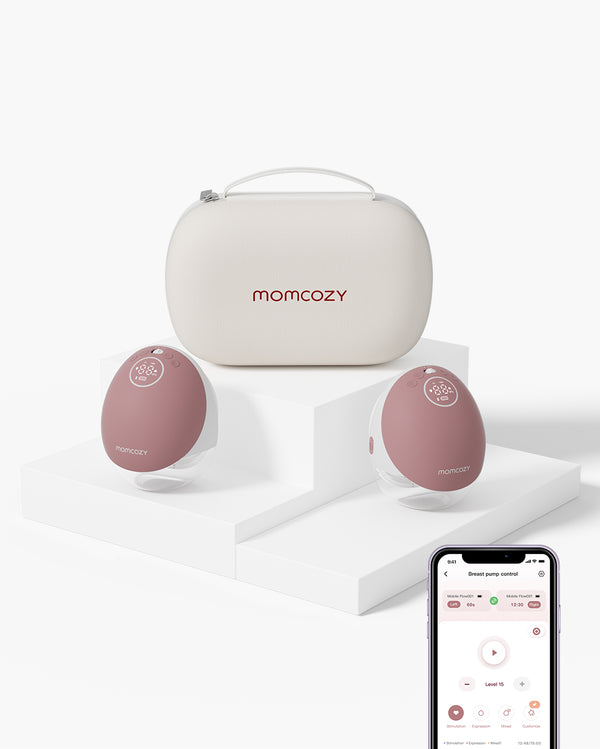
Each different family uses different bottles, so check whether the washer is for your preferred bottle brand and size. The best washers accommodate a variety of shapes and sizes of bottles and accessories like nipples, rings, and sometimes even pump parts. Some designs have special racks for small items that will help them not get lost during the washing process. If you need a pump that’s simple to take apart and clean well after every use, the Momcozy M9 Mobile Flow Hands-Free Breast Pump is an excellent choice, with parts built for easy washing.
¥26,200 JPY

8. Brand Reputation and Parent-Tested Reviews
A bottle washer may become part of your daily feeding routine, so it is worth choosing a reputable brand. To accurately check a brand's reputation, look at the following sources:
- Look up the company or model name on CPSC.gov to ensure the appliance meets federal safety standards.
- Read long-term parent reviews on parenting forums and community boards rather than just looking at upfront star ratings.
- Check the brand's main website to confirm they provide clear warranty terms and accessible customer service channels.
9. Water Consumption and Efficiency
There is quite a variation in the water usage of different bottle washers. It will affect utility bills, but more importantly, it will affect the environmental footprint. Tankless models use about 0.5-1.5 gallons per cycle. Tank-based systems may use a little more but provide better water pressure. Advanced models boast water-recycling systems that save up to 86% compared to manual washing. If possible, look out for water-saving modes or eco-friendly cycles on the model. For example, the Momcozy KleanPal Pro uses only 2.5 liters per cycle (0.66 gallons), achieving an impressive water savings of 86.7% compared to manual washing and 94.7% compared to a typical dishwasher.

Beyond the time savings, one of the biggest advantages of an automatic bottle washer is how it helps share the caring responsibilities across the household. By taking the guesswork and physical labor out of scrubbing and sanitizing, it allows partners, grandparents, and other family members to easily participate in feeding routines. This simple shift greatly reduces the cleaning burden on moms, leaving more valuable time for themselves, their baby, and the family.
Consider your daily needs, available space, and budget when choosing. While the Momcozy KleanPal Pro offers the most complete package, any of these washers can help make your bottle cleaning routine easier.








