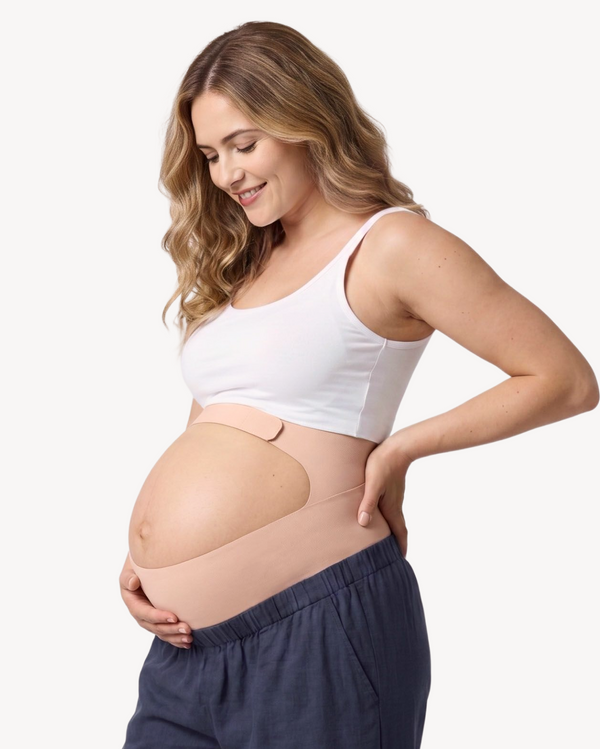
A sharp twinge when you roll over. A low cramp that stops you mid-step. Being pregnant and having pain in the lower stomach is something most women experience at some point, and it rarely means something is wrong. What matters is knowing the difference between normal pregnancy discomfort and symptoms that need prompt attention.
Is Stomach Pain While Pregnant Normal?
Yes, in most cases. Lower abdominal pain is one of the most common complaints throughout pregnancy.
Your uterus grows from the size of a pear to roughly the size of a watermelon over nine months. That growth puts constant pressure on surrounding muscles, ligaments, and organs. Add in hormonal shifts, digestive changes, and the physical strain of carrying extra weight, and some degree of stomach discomfort is expected at every stage.
Most lower stomach pain during pregnancy is harmless. The key is understanding which symptoms fall within the normal range and which ones warrant a call to your provider. NHS notes that stomach pains in pregnancy are often nothing to worry about, but severe pain or pain that does not ease after rest should be checked; see its guidance on stomach pain in pregnancy.
What Are the Symptoms of Lower Abdominal Pain During Pregnancy?
Lower abdominal pain in pregnancy comes in several distinct forms.
|
Type of Pain
|
What It Feels Like
|
Likely Cause
|
|
Dull, constant ache
|
Low-grade pressure across the lower belly
|
Round ligament stretching, uterine growth
|
|
Sharp, stabbing
|
Quick jolt on one or both sides
|
Round ligament pain
|
|
Cramping, wave-like
|
Tightening that comes and goes
|
Braxton Hicks, gas, constipation
|
|
Burning or pressure in the pelvis
|
Deep pressure across the pelvic floor
|
Pelvic girdle pain
|
|
Pain with urination
|
Burning or stinging when you pee
|
UTI
|
|
Pain on one side only
|
Concentrated on left or right
|
Round ligament, ectopic pregnancy (early), ovarian cyst
|
|
Upper abdominal pain with headache
|
Pain under the ribs, especially on the right
|
Pre-eclampsia (seek care immediately)
|
Mild, intermittent pain without other symptoms is usually normal. Severe or constant pain with bleeding, fever, or dizziness needs same-day attention.
What Causes Lower Abdominal Pain During Pregnancy?
Lower abdominal pain in pregnancy rarely has a single cause.
Harmless Stomach Pains in Pregnancy
Most stomach pain during pregnancy falls into the harmless category. These include gas, constipation, round ligament stretching, Braxton Hicks contractions, and general uterine growth. They are uncomfortable but not dangerous.
Mild Lower Stomach Pain in Early Pregnancy
In the first trimester, cramping and lower abdominal aching are very common as the uterus expands and hormones shift. Many women describe it as similar to period cramps, and it is normal as long as it is mild and not accompanied by heavy bleeding.
Normal Uterine Growth and Stretching
As the uterus grows, it pulls on surrounding muscles and connective tissue, creating a low ache across the lower abdomen that worsens after standing for long periods or activity.
Implantation Cramping: The Earliest Sign
Around 6 to 12 days after conception, the fertilized egg implants into the uterine lining. This can cause light cramping and sometimes light spotting. The cramping is mild and brief, usually lasting one to three days.
Hormonal Changes and Your Digestive System
Progesterone relaxes the intestines, slowing digestion and causing bloating, gas, and cramping that mimics lower abdominal pain. This starts early and continues throughout pregnancy.
Constipation
Slowed digestion and iron supplements from prenatal vitamins frequently cause constipation during pregnancy. The resulting cramping and pressure is often mistaken for uterine pain.
Gas
Trapped gas can cause sharp, cramping pains that move around the abdomen and resolve after passing gas or a bowel movement.
Round Ligament Pain
The round ligaments support the uterus and stretch as it grows, causing sudden, sharp pains on one or both sides of the lower abdomen. It is most common between weeks 14 and 27 and is typically triggered by quick movements like standing up fast, sneezing, or rolling over.
Pelvic Girdle Pain
Pelvic girdle pain (PGP) causes broad aching across the lower abdomen, hips, and pelvis. It tends to worsen with walking, climbing stairs, and turning in bed, and can start in any trimester.
Braxton Hicks Contractions
Braxton Hicks are irregular practice contractions that feel like a tightening across the lower belly, lasting 30 seconds to 2 minutes. They do not follow a regular pattern and do not indicate labor.
How to Relieve Lower Abdominal Pain During Pregnancy
Most pregnancy-related stomach pain responds well to simple at-home approaches.
Using a Pelvic Belt for Pregnant Women
A pregnancy belt supports the lower abdomen from underneath, reducing the downward pull on the uterus and surrounding ligaments. Wearing one during daily activity can ease round ligament pain, pelvic girdle pain, and general abdominal pressure.
To use one effectively, put it on while standing and position it below the bump. Adjust the fit to feel supportive but not tight. Wear it during activities that trigger discomfort and remove it when lying down to rest.
The BumpEase Momcozy Ergonest Maternity Belly Band is designed with a structured back support layer that distributes abdominal and lower back pressure more evenly throughout the day.
For women carrying twins, multiples, or a fast-growing bump that places extra strain on the lower abdomen, the Momcozy Go As You Grow™ Maternity Belly Band delivers stronger support through an integrated 3-zone system, combining a wide contoured belly cradle for gentle lift, a 2.0 Ergonest Support Structure™ with dual-side stays for back relief, and an ergonomic racerback design to distribute weight across the shoulders.
Back Support
Comfort
Effectiveness
Exercise Regularly
Gentle movement reduces gas, constipation, and muscle tension that contribute to abdominal pain. Walking, swimming, and prenatal yoga are all suitable options during pregnancy.
A birthing ball can also help, particularly for pelvic girdle pain and lower abdominal pressure. Sitting on the ball and gently rocking the hips helps mobilize the pelvis and decompress the lower belly. The Momcozy BirthEase Pregnancy Ball Set includes stage-based guided courses through the Momcozy app, making it easier to follow safe routines at home.
Always check with your healthcare provider before starting or changing an exercise routine during pregnancy.
Using a Pregnancy Pillow
Side sleeping with proper support reduces overnight pressure on the lower abdomen and pelvis. Placing a pillow between the knees keeps the hips aligned and prevents the belly from pulling the spine out of position during sleep.
A U-shaped pregnancy pillow like the Momcozy Huggable Maternity Body Pillow supports the belly, back, hips, and knees simultaneously, reducing the need to reposition throughout the night. Many women find it reduces abdominal discomfort from the second trimester onward.
Full Body Support
Effective Pain Relief
Soft and Comfortable
Multi-Purpose Use
Use a Warm Compress
A warm compress applied to the lower abdomen relaxes tight muscles and eases cramping. Keep the temperature comfortably warm, not hot. Avoid heating pads above a low setting during pregnancy.
Rest on Your Side
Lying on your left side reduces pressure on the inferior vena cava, improves circulation, and takes strain off the lower abdomen. When round ligament pain or pelvic pressure flares, 15 to 20 minutes on your side often helps.
Adjust Your Movements
Round ligament pain is triggered by sudden movements. Slowing down when changing positions and supporting the belly when you sneeze or cough reduces the frequency of sharp abdominal pain.
Stay Hydrated
Dehydration triggers Braxton Hicks contractions and worsens constipation. Aim for 8 to 10 cups (1.9 to 2.4 liters) of water daily to reduce cramping frequency.
Eat Fiber-Rich Foods
Fiber from fruits, vegetables, legumes, and whole grains helps prevent and relieve constipation-related abdominal pain. Aim for 25 to 30 grams daily alongside adequate fluid intake.
Take Pain Relievers
Acetaminophen (Tylenol) is the pain reliever most commonly considered safe during pregnancy. Use the lowest effective dose and consult your provider before taking anything, including over-the-counter options. Avoid ibuprofen and other NSAIDs throughout pregnancy unless your doctor specifically directs otherwise.
Lower Belly Pain by Trimester
The type and cause of lower abdominal pain shifts as pregnancy progresses.
1–3 Weeks Pregnant: Is Early Stomach Pain Normal?
Clinically, week 1 of pregnancy begins on the first day of your last period, before conception has even occurred. Fertilization typically happens around week 2, and the fertilized egg implants into the uterine lining between days 6 and 12 after conception, which corresponds to around week 3. Any stomach pain in weeks 1 to 2 is not caused by pregnancy itself and is more likely premenstrual cramping. Light cramping around week 3 may be implantation cramping, which is normal and usually brief.
Belly Pain in Early Pregnancy
From weeks 4 to 12, lower abdominal cramping is very common. Implantation, uterine growth, hormonal changes, gas, and constipation are all active at this stage. Contact your provider if cramping is severe or comes with heavy bleeding.
Weeks 12 to 28: Abdominal Pain During Pregnancy 2nd Trimester
Round ligament pain is the most common cause of lower abdominal pain in the second trimester, typically starting around week 14. Braxton Hicks contractions also begin during this period for many women. Pelvic girdle pain often becomes more noticeable as the belly grows heavier. Most second-trimester abdominal pain is benign but contact your provider if pain is severe, constant, or accompanied by contractions before 37 weeks.
Stomach Pain During Pregnancy 3rd Trimester
In the third trimester, Braxton Hicks become more frequent and the baby puts increasing pressure on the lower abdomen, bladder, and pelvis. If tightening becomes rhythmic and increases in frequency, see the labor signs section below.
Possible Causes of Serious Stomach Pain
Some causes of abdominal pain during pregnancy require prompt medical attention.
Severe Pain on One Side of the Lower Stomach in Early Pregnancy
Intense pain on one side of the lower abdomen in the first trimester, especially with shoulder tip pain or dizziness, is a warning sign for ectopic pregnancy. Do not wait to see if it resolves. Seek emergency care.
Ectopic Pregnancy
An ectopic pregnancy occurs when the egg implants outside the uterus, most often in a fallopian tube. It is not viable and is life-threatening if untreated. Symptoms include sharp one-sided pain, vaginal bleeding, dizziness, and shoulder tip pain. ACOG notes that ectopic pregnancy can involve abdominal, pelvic, or shoulder pain; see its guidance on bleeding during pregnancy.
Miscarriage
Cramping with heavy vaginal bleeding and tissue passing from the vagina can indicate a miscarriage. Cramping alone, without bleeding, is usually not a sign of miscarriage. Seek care if both symptoms occur together.
Pre-Eclampsia
Pre-eclampsia develops after 20 weeks and involves high blood pressure and organ stress. It can cause upper abdominal pain (especially under the right rib), severe headaches, visual disturbances, and sudden swelling. ACOG explains that preeclampsia is a serious high blood pressure disorder during pregnancy; see its guidance on preeclampsia and high blood pressure.
Premature Labour
Regular contractions before 37 weeks, with pelvic pressure, back pain, and changes in vaginal discharge, can indicate premature labor. Contact your provider immediately.
Placental Abruption
Placental abruption causes sudden, severe abdominal pain, uterine rigidity, and heavy bleeding when the placenta separates from the uterine wall before delivery. This is a medical emergency.
Urinary Tract Infections (UTIs)
UTIs are more common during pregnancy and cause lower abdominal pain, burning urination, and sometimes fever. They need prompt treatment to prevent kidney infection. Contact your provider if you suspect one.
Lower Stomach Pain or Dull Back Pain
A dull lower abdominal ache with low back pain can indicate a UTI, kidney infection, or early labor. Contact your provider if it does not ease with rest and hydration.
Pain in the Upper Stomach
Upper abdominal pain, particularly under the right ribs, is more concerning than lower abdominal pain. It can indicate pre-eclampsia, HELLP syndrome, or gallbladder issues. Always contact your provider if upper abdominal pain occurs with headache, visual changes, or swelling.
When Should I Get Medical Help for Stomach Pain in Pregnancy?
Contact your provider the same day if you experience:
- Cramping or pain that does not ease with rest
- Pain accompanied by fever or chills
- Burning or pain when urinating
- Unusual vaginal discharge
- Pain that is getting worse rather than better
Go to the emergency room immediately for:
- Sudden, severe abdominal pain
- Vaginal bleeding with cramping
- Dizziness, fainting, or shoulder tip pain
- Regular contractions before 37 weeks
- Severe headache with upper abdominal pain or visual changes
- Fluid leaking from the vagina before your due date
How Can You Tell If Belly Pain Is a Sign of Labour?
As you approach your due date, knowing the difference between normal discomfort and early labor matters.
Lower Tummy Cramps in Pregnancy That Feel Like Contractions
True labor contractions follow a regular pattern. They start further apart, every 10 to 15 minutes, and gradually become closer together, stronger, and longer. Braxton Hicks contractions are irregular, do not intensify over time, and often ease with rest or hydration. If your tightening follows a regular pattern, time it and contact your provider.
A Feeling of Pressure in Your Pelvis or Lower Belly
As the baby moves into position for birth, many women feel increased pressure low in the pelvis, sometimes described as the baby dropping or a heaviness between the legs. This can occur days to weeks before labor starts and is normal. If this pressure comes with regular contractions, it may signal the onset of labor.
Changes in Your Vaginal Discharge or Fluid Leaking from Your Vagina
A mucus plug, which is a thick, sometimes blood-tinged discharge, can pass in the days before labor begins. Fluid leaking from the vagina, which may be a slow trickle or a sudden gush, can indicate that the membranes have ruptured. Contact your provider if you notice either of these changes.
Frequently Asked Questions
Q1: How to Relieve Pressure on Stomach During Pregnancy?
Rest on your left side, use a pregnancy support belt during the day, and place a pillow under your belly when sleeping. Staying hydrated reduces Braxton Hicks frequency. Gentle movement like walking or hip circles on a birthing ball helps decompress the lower abdomen. Avoid standing for long periods without support.
Q2: Can Lower Abdominal Pain Cause Miscarriage?
No. Lower abdominal pain does not cause miscarriage. Miscarriage occurs due to chromosomal or developmental issues unrelated to pain. Cramping accompanied by heavy bleeding and tissue passing from the vagina can be symptoms of a miscarriage in progress. Pain alone is not a cause.
Q3: What Is the Hardest Month of Pregnancy?
Most women report the first trimester (weeks 6 to 10) and the final weeks of the third trimester as the most difficult. Nausea, fatigue, and abdominal cramping peak in early pregnancy, while back pain, pelvic pressure, and Braxton Hicks become most intense in the weeks before delivery.
Q4: Is My Baby Okay If My Stomach Feels Tight?
Usually yes. A tight feeling across the lower belly is typically Braxton Hicks contractions or normal uterine firmness as the baby moves. Drink water, rest on your side, and the tightness usually eases. Contact your provider if tightening is rhythmic, increasing in intensity, or happens before 37 weeks.
Q5: Can Gas Cause Lower Abdominal Pain During Pregnancy?
Yes. Gas is one of the most common causes of lower abdominal cramping during pregnancy. Progesterone slows digestion, leading to trapped gas that can cause sharp, cramp-like pains anywhere in the abdomen. Eating smaller meals, avoiding gas-producing foods, and staying active helps reduce it.
You and Your Body Are Doing Something Extraordinary
Lower stomach pain while pregnant is rarely a reason to panic, but your body is always worth listening to. Most discomfort is your body's way of adapting to one of the most demanding physical journeys it will ever take. Rest when you need to, move gently when you can, and do not hesitate to call your provider when something feels off. At Momcozy, supporting mothers through every stage of pregnancy is what we are here for. If you are looking for comfort tools along the way, our pregnancy belts and pregnancy pillows are there when you need them.