


Latest Article

Momcozy Prime Day Deals: Amazon vs Momcozy Autumn Sale This October
This guide explains Momcozy Prime Day sale 2026 on both Amazon and the official website of Momcozy. It compares the different pricing options, membership requirements, exclusive bundle deals, and the Summer Promo Gashapon event.
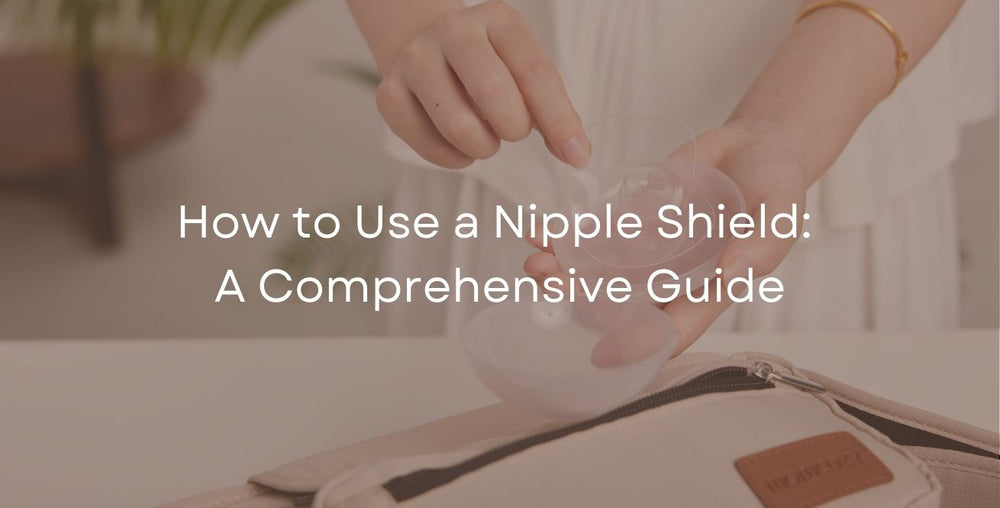
How to Use a Nipple Shield: A Comprehensive Guide
This guide explains how to use a nipple shield for breastfeeding. It covers its benefits, proper usage, and tips to enhance comfort and effectiveness, helping mothers and babies achieve a successful and enjoyable breastfeeding experience.

What an IBCLC Wants New Moms to Know About Postpartum & Early Feeding
Postpartum is more than the first few days after birth. It is a full transition involving physical recovery, emotional changes, feeding routines, and a new identity. In this expert-backed guide, IBCLC and RN Melissa Kotlen explains what new moms can expect in the early postpartum weeks, why breastfeeding or pumping may feel difficult at first, and how small comfort tools can make feeding feel gentler. The article also covers sore nipple care, postpartum recovery stations, when to reach out for professional support, and practical Momcozy nipple care options for different feeding needs.

When to Seek Medical or Lactation Support While Breastfeeding
A guide to when breastfeeding moms should seek lactation or medical support, covering common issues, emotional health, and urgent warning signs for mom and baby.

Understanding Baby's Hunger Cues & Feeding Patterns for New Parents
A guide to baby hunger cues and feeding patterns, helping new parents understand feeding frequency, behaviors, and signs of adequate milk intake for confident care.

When Every Latch Hurts: What Poor Latching and Positioning Mean for New Moms
We often hear “breastfeeding is so rewarding!” or “I miss breastfeeding!” But the truth is—it’s not always easy. I’m an IBCLC and I even had some challenges with breastfeeding! For many new moms, painful latches or discomfort in the first days and weeks are common but can be emotionally discouraging (and draining!) on top of being exhausted from delivery and lack of sleep. Occasional soreness is normal as your body adjusts, but consistent pain, cracking, or bleeding often signals a problem with latching or positioning. The good news? These issues are usually fixable, and support is available. Why Latch and Positioning Matter Breastfeeding is natural—but not always effortless. A proper latch ensures your baby can get enough milk while keeping you comfortable. Persistent pain or nipple damage is your body’s signal that something may need adjusting. Over time, poor latch and inefficient milk removal can lead to engorgement, blocked ducts, or low supply. Most latch and positioning issues can be corrected with guidance from an IBCLC, nurse, or lactation consultant. Signs of a Poor Latch A poor latch doesn’t mean you’re doing anything wrong—it usually means your baby needs a slightly different position or approach. Think of it this way: we all know exercise is good for us, but not every type of exercise works for everyone. Some people run, some walk, some do yoga or lift weights—it all depends on what feels right for your body. Breastfeeding works the same way: there are many ways to feed your baby, and the best method is the one that fits you and your little one. While learning what is best for you both, look out for: Pain beyond the first few minutes of feeding Cracked, bleeding, or blistered nipples Baby appearing frustrated, fussy, or unlatching frequently Clicking or smacking sounds during feeding Baby not swallowing after several sucks Baby not having enough soiled diapers or gaining weight as expected Check Your Baby’s Positioning Even small adjustments can make a big difference: Tummy-to-tummy:Baby’s nose, chin, and chest should face yours. The full side of your baby should be visible, with the head straight, not turned to your breast. Latch depth: Baby should take the nipple and enough of the areola for a deep latch. A lactation consultant can help assess shallow latches. Support:Baby’s body should be fully supported to prevent pulling or twisting. Use a pillow if needed. Head angle:Slightly tilt baby’s head back to open the mouth wide for a comfortable, deep latch. [product_shortcode_1] Tips to Reduce Pain and Improve Latch Break suction correctly:Insert a clean finger into the corner of the baby’s mouth before unlatching. Support your breast:Guide nipple and areola gently into baby’s mouth. Encourage a wide mouth:Touch your nipple to your baby’s lips to trigger an open mouth. Check alignment:Ears, shoulders, and hips should be in a straight line. Try different positions:Football hold, cross-cradle, side-lying, or laid-back positions can make a difference. Seek professional help:An IBCLC can observe a feed and provide personalized guidance. It’s Normal to Be Upset Chronic nipple pain can be discouraging. Many moms feel guilt, frustration, or fear that they’re “failing” at breastfeeding. Pain is not a sign of weakness or inadequacy—it’s your body telling you something needs attention. With the right support, most moms and babies can overcome latching challenges and enjoy comfortable, successful feeds. When to Reach Out for Help Contact an IBCLC or lactation consultant if: Pain is severe or persistent beyond the first few weeks Nipple damage or signs of infection appear (bleeding, redness, warmth, fever) Baby isn’t gaining weight or seems frustrated You feel overwhelmed, anxious, or hopeless about feeding Early support can prevent complications like mastitis, low milk supply, or early weaning—and help make breastfeeding a positive bonding experience. You’re Not Alone Every new mom deserves a comfortable, confident breastfeeding experience. Painful latches are common, fixable, and nothing to feel guilty about. With proper positioning, professional guidance, and patience, feeding can become a nurturing, bonding time rather than a source of stress. Remember: you are doing an amazing job, and getting the right support makes all the difference. We were never meant to do this alone.

Should I Breastfeed When I Am Sick?
Explains breastfeeding during illness, including immune benefits, when caution is needed, and practical tips to manage symptoms and maintain milk supply safely.

Sharp, Localized Breast Pain While Breastfeeding: Plugged Duct, Mastitis or More?
A guide to sharp breast pain in breastfeeding, explaining plugged ducts vs. mastitis, key symptoms, treatment options, and when to seek medical help.

Night Pumping Strategies for Better Rest
Practical night pumping strategies to help breastfeeding moms maintain milk supply while improving rest through efficient setup, routines, and sleep-friendly habits.
EXPERT Spotlight


Popular Pregnancy & Postpartum Tools

Baby Name Generator
A name is the first gift to your beloved baby. Find the perfect name for your baby

Pregnancy Weight Gain Calculator
Track your pregnancy weight gain and get personalized recommendations based on your pre-pregnancy BMI.
Chinese Gender Prediction Calculator
Legend has it that this ancient Chinese gender prediction chart was discovered in a royal tomb near Beijing over 700 years ago.

Due Date Calculator
Using our Pregnancy Due Date Calculator, you can estimate your due date based on your last menstrual period, conception date, IVF transfer, or ultrasound.