


Latest Article

Single Breast Pump vs. Double Breast Pump on Amazon: Which Is Better for Long Pumping Sessions?
Single breast pump vs double breast pump: This is a question almost every new mother asks when she wants flexibility in daily life and the best feeding routine for her baby. If you plan to pump regularly or for longer periods, choosing the right system has a direct impact on your time, comfort, energy, and milk output. Especially if you need a breast pump for long sessions, you need a device that is efficient, comfortable, quiet, and reliable. The short answer is: for occasional pumping, a single breast pump is often enough. For frequent, long, or exclusive pumping sessions, a double breast pump is usually the better choice because it empties both breasts at the same time and saves significant time. Quick TL;DR A double breast pump can save up to 50% of pumping time and may support milk output through simultaneous stimulation. It is especially suitable for long or frequent sessions. Single pumps are more affordable, lighter, and useful when you only pump occasionally or need a compact option on the go. Quick facts: Feature Single Breast Pump Double Breast Pump Time Needed Higher, because each breast is pumped one after the other. A session often takes about 30 to 40 minutes. Lower, because both breasts are pumped at the same time. A session often takes about 15 to 20 minutes. Milk Output Good for occasional use and moderate milk flow. May stimulate let-down more efficiently through simultaneous stimulation. Mobility Very high, as single pumps are often light and compact. Also very flexible when designed as wearable, hands-free pumps. Cost Lower entry cost, suitable for mothers who mainly nurse directly. Higher investment, but offers maximum time savings in daily life. Main differences at a glance Simultaneous vs. sequential pumping The most obvious difference is the pumping method. A single pump is used on one breast at a time, while a double breast pump allows both breasts to be emptied simultaneously. In daily life, this means a single pump keeps you seated or attached to the device for longer, while a double pump can greatly reduce the time you spend pumping. Efficiency and milk output Many lactation professionals emphasize that double pumping can trigger the let-down reflex faster and more intensely. Simultaneous stimulation sends a stronger signal to the brain that milk is needed, which may support the hormonal regulation of lactation and make pumping more efficient. Comfort and flange size For long sessions, flange size is essential. An incorrectly fitting breast shield can cause pain, friction, or reduced milk flow with either pump type. Modern double pumps may distribute suction more evenly, but comfort still depends on choosing the right size and fit. Performance and efficiency: Why double pumps are often faster Increased prolactin response through bilateral stimulation When both breasts are pumped at the same time, the body often responds more strongly than when each breast is pumped separately. The reason is bilateral stimulation, which may support the release of prolactin, a key hormone for milk production. This is why double pumping is often considered the best breast pump option for long pumping sessions. Study and source note Clinical research suggests that mothers may obtain more milk volume with double pumping than with sequential pumping. Breast emptying may also be more complete, and the collected milk may contain a higher fat content in some cases. For general scientific references, you can start with NCBI. When a single pump can be comparable A single pump still has its place. If you nurse your baby on one breast and pump the other breast at the same time, a similar hormonal effect may occur. In this specific scenario, a single pump can partly compensate for the advantages of a double pump. Comfort during long pumping sessions Flange sizes, pressure distribution, and fit If you spend several hours a day pumping, you will quickly notice whether hard or poorly fitting shields create pressure points. Look for soft materials, suitable inserts, and a design that mimics the baby’s natural sucking pattern as closely as possible. Ergonomic models like modern Momcozy pumps can help reduce friction during longer sessions. Skin irritation, pain, and break strategy Long sessions can increase the risk of skin irritation. If suction is set too high, the tissue may become overstimulated. Experts often recommend starting with a gentler vacuum and using stimulation and expression modes appropriately. Short breaks and nipple care products may also help. Check and adjust flange fit Measure your nipple diameter as accurately as possible before buying. Many manufacturers include standard sizes, often around 24 mm. If these do not fit, order suitable inserts or alternative flanges to prevent pain and inefficient pumping. Battery, power supply, and portability Battery life vs. plug-in operation with double pumps Because double pumps operate on both sides at the same time, they usually need more power. Some lower-priced models must stay plugged in, which limits movement. If you pump frequently, a cordless model with strong battery life is worth considering. Weight and mobility on the go Modern mothers need flexibility. This is where wearable options become useful. Wearable double pumps such as the Momcozy M5 offer freedom of movement without external tubes or cables. They fit discreetly inside the bra, allowing you to work, move around, or handle small household tasks during a session. Tip: Check battery specifications before buying When comparing models, look for a pump that supports at least 4 to 5 sessions or about 120 to 150 minutes of total runtime without recharging. This helps prevent the battery from dying in the middle of a long session. Noise level and discretion Noise during longer sessions A loud, repetitive humming sound can become very irritating during longer sessions, especially at night or when the baby is sleeping nearby. High-quality electric pumps usually keep the sound level more discreet and are better suited for regular use. Suitable for office and public use Discretion is especially important when returning to work. Quiet wearable pumps such as the Momcozy M9 are designed for discreet office use. They are barely visible under clothing and ideally do not disturb coworkers or video calls. Cleaning, spare parts, and maintenance Number of parts and cleaning effort There are pros and cons here. A single pump has fewer parts per session, but if used frequently, it may need to run twice as long or be used more often. A double pump has more valves, membranes, and flanges, but saves time during the actual pumping session. In both cases, all milk-contact parts must be cleaned thoroughly and sterilized regularly. Availability of replacement flanges and tubes Wear parts such as silicone membranes and valves lose elasticity over time, which can reduce suction strength. Choose a brand that makes replacement parts easy to order. Cost of spare parts on Amazon If you buy a breast pump on Amazon, you often benefit from fast availability. Brands like Momcozy offer matching spare part sets in the official Momcozy German Amazon Store, making it easier to find compatible valves, flanges, and accessories. Price, warranty, and Amazon reviews Typical price ranges Single pumps are usually more affordable on Amazon. High-quality electric double pumps cost more, but provide significant time savings. For mothers who pump daily or exclusively, this investment can pay off quickly. How useful are star ratings? Do not rely only on the overall rating. Filter for verified reviews that mention terms such as “battery life,” “long-term use,” “comfort,” or “work.” These real-life reports often show whether a model truly performs in everyday use. Check return and warranty policies Because breast pumps are hygiene products, returns may be restricted once the seal is opened. Look for manufacturers that offer a clear warranty for the motor and electronics. Which pump is better for long pumping sessions? Criteria checklist Efficiency: Can the pump complete a session in about 15 to 20 minutes? Comfort: Are there different suction and stimulation modes? Battery: Does the device work reliably without cables? Noise: Is discreet pumping possible? Spare parts: Are valves, membranes, and flanges easy to get? Recommendation box: Best for long sessions For long sessions, a double pump is usually the better choice because it significantly reduces pumping time. Battery life should be at least 2 hours. Strong yet gentle suction is important for effective and comfortable breast emptying. Clear recommendation If you pump several times a day or for long periods, choose a high-quality electric double pump. If you only pump occasionally or mainly nurse directly, a compact single pump may be enough. Exceptions and individual preferences Some women find simultaneous suction on both breasts uncomfortable. In this case, a flexible pump that can switch between double and single mode may be the ideal middle ground. How to choose carefully on Amazon DE Search terms and filter suggestions To avoid buying the wrong model, try these search terms and filters on Amazon: “double electric breast pump hands free” “customer rating 4+ stars” “seller: Momcozy” Reading the product page: What to check Check the technical details for flange sizes, suction modes, battery life, and included replacement parts. At least one stimulation mode and one expression mode should be available. Purchase decision checklist Define your budget. Measure your exact flange size. Choose between a plug-in device and a wearable pump. Check battery life, noise level, and spare part availability. Three short user scenarios Scenario A: Occasional pumping A mother breastfeeds full-time and pumps only once a week so her partner can feed the baby. Recommendation: A simple single pump or manual breast pump is usually the most economical choice. Scenario B: Several times a day or exclusive pumping A mother feeds her baby mainly with expressed breast milk and needs maximum flexibility. Recommendation: A powerful cordless wearable double pump such as the Momcozy M9 can make daily life much easier. Scenario C: Working mother who travels A mother returns to work after maternity leave and needs to pump in the train, car, or office. Recommendation: A discreet, long-lasting double pump such as the Momcozy M5 with a transport case is especially practical. Short cost and time comparison To show the difference in daily life, let’s look at a typical weekly schedule with 4 pumping sessions per day and 15 minutes of actual pumping time per breast. Single pump 30 minutes per session because both breasts are pumped one after the other. 4 × 30 minutes = 120 minutes per day. Weekly total: 120 minutes × 7 = 840 minutes, or 14 hours per week. Double pump 15 minutes per session because both breasts are pumped at the same time. 4 × 15 minutes = 60 minutes per day. Weekly total: 60 minutes × 7 = 420 minutes, or 7 hours per week. Interpretation A high-quality double pump can save you about 7 hours per week. You can use that time for sleep, recovery, your baby, or simply yourself. Frequently asked questions Is a double breast pump always better? Not always. For mothers who pump rarely or only need support during engorgement, a more affordable single pump is often enough. For regular, long sessions, however, a double pump has a clear advantage. Which pump is quieter for the office? Wearable double pumps without external tubes are usually especially discreet. Momcozy models are designed for quiet use and can be a good choice for the workplace. How important is battery life for long sessions? Very important. A dual vacuum system uses more energy during long sessions. A battery that lasts at least two hours gives you more independence from power outlets. Can you use two single pumps at the same time? Yes, theoretically. In practice, it is inconvenient because you need to operate, charge, and clean two separate motors. A true double pump controls both sides through one unit. Which spare parts are most important on Amazon? Silicone valves, membranes, and suitable flange inserts are especially important because they directly affect suction strength and comfort. How can I tell on Amazon whether a pump is suitable for long sessions? Look for strong suction, multiple modes, long battery life, suitable flange sizes, and verified reviews that mention long-term comfort. Conclusion and recommendation The decision between a single breast pump and a double breast pump mainly depends on how often and how long you plan to pump. If you pump only occasionally, a single pump is practical, light, and affordable. If you pump regularly, travel for work, or exclusively pump, a comfortable double breast pump is usually the better long-term choice. Decision checklist: Budget: Single pumps save money at purchase; double pumps save time long term. Pumping frequency: If you pump more than once a day, a double pump is usually more practical. Mobility: If you want maximum freedom, choose a cordless wearable pump. Ready for more efficient pumping? Discover Momcozy electric breast pumps and find a solution that fits your routine, pumping frequency, and comfort needs.
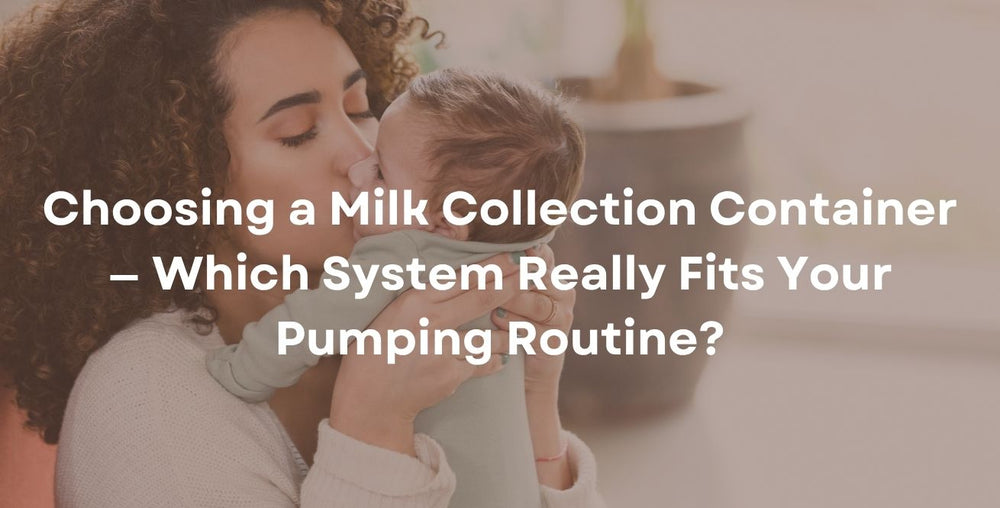
Choosing a Milk Collection Container — Which System Really Fits Your Pumping Routine?
Choosing the right milk collection container for your breast pump is much more than a simple accessory decision. In the first months after birth, much of daily life revolves around feeding your baby, and for mothers who pump, efficiency becomes an important factor for comfort, time management, and well-being. Whether you pump only occasionally for more flexibility or pump regularly or exclusively, the way you store breast milk, collect it, and transport it affects your entire daily routine. Quick TL;DR: The right milk collection container supports hygiene and comfort Traditional breast pumps usually use external bottles that hang below the breast. Modern wearable pumps, on the other hand, use integrated collection cups that sit discreetly inside the bra. For long-term storage, sterile milk storage bags are often the most space-saving and hygienic option. Quick facts about storing breast milk: Room temperature: up to about 4 hours. Refrigerator: up to 4 days, ideally stored at the back of the fridge and not in the door. Freezer: ideally up to 6 months. Pro tip: Freeze expressed milk flat in storage bags to save space and shorten thawing time. Why the right container is more than a small detail Many new mothers underestimate how much time they will spend pumping, transferring milk, cooling it, and cleaning pump parts. An impractical container can cause frustration and may even lead to spilled breast milk. Hygiene and protection for valuable breast milk Breast milk is rich in antibodies and nutrients. Once milk leaves the breast, however, it becomes more vulnerable to contamination. A high-quality milk collection container for a breast pump should therefore be easy to clean and have as few hard-to-reach grooves as possible where milk residue can collect. Materials that are food-grade, BPA-free, and suitable for contact with breast milk are essential. Leak prevention: Every drop counts Any mother who has spilled expressed milk knows how frustrating it can be. A breast pump collection cup must connect securely to the pump unit and seal reliably. This is especially important with wearable systems, where you may move, bend down, or pick up your baby while pumping. Bottle vs. integrated collection cup: The evolution of breast pumps Breast pump technology has changed significantly in recent years. Where loud devices, tubes, and dangling bottles once defined pumping, smart wearable solutions are now becoming more common. Traditional systems: Bottles and screw connections Traditional electric breast pumps usually use bottles that screw directly below the breast shields. Advantage: You can often feed directly from the bottle by attaching a nipple. Disadvantage: These systems are often bulkier. Bottles hang visibly below the breast, can pull on the body, and limit movement. Multitasking is much harder. Modern wearable solutions: Integrated cups Innovative brands such as Momcozy increasingly use wearable pumps with integrated collection cups. Models such as the Momcozy M5 or Momcozy M9 use hidden cups that sit directly inside the bra. Benefits: The system is discreet, compact, and well-balanced. You can work, do household tasks, or relax while pumping. The breast pump collection cup is shaped to fit the breast more naturally. Comparison table: Bottle vs. integrated collection cup Feature Traditional Pump Bottle Integrated Collection Cup Mobility and design Static: Bottles hang vertically downward; movement is limited by weight and gravity. Dynamic: Anatomical cup shape sits inside the bra cup and allows more freedom of movement. System structure Complex: Often includes bottle, screw ring, valve housing, and adapters. Minimalist: Compact all-in-one unit with fewer assembly errors. Workflow and storage Direct storage: Bottle can be chilled with a lid but takes up more space. Transfer-optimized: A precise pour spout makes transferring milk into bags or bottles easier. Discretion Visible: The system is often noticeable under or outside clothing. Discreet: Fits inside a nursing bra and is more suitable for travel or office use. Comfort Point pressure: The weight may pull on the breast. Even distribution: The bra helps support the weight more evenly. Material and safety features: What to look for When it comes to baby health, there should be no compromise. The materials used in a milk collection container for a breast pump must be safe, stable, and suitable for food contact. BPA-free and food-grade: The absolute minimum Bisphenol A, or BPA, is a plastic additive that should not be present in baby products. Always look for a BPA-free label. Modern containers should also be marked as food-grade to ensure that unwanted substances do not migrate into the milk. Tritan and premium silicone: A high-quality standard A practical tip: Look for materials such as Tritan and soft premium silicone. High-quality collection cups often combine sturdy, clear plastic with flexible silicone parts. Shatter-resistant: The container stays stable in daily use and is less likely to break. Clear like glass: The milk level and condition are easy to see. Durable: The material is less likely to discolor and stays odor-neutral. Comfortable: Soft silicone supports a gentle seal at the breast. Temperature resistance for sterilizing and freezing Milk collection containers and accessories need to handle temperature changes. From refrigerator or freezer to steam sterilizer, the material should not warp, become brittle, or develop unpleasant odors. From pumping to storage: A smarter workflow Efficiency matters. If you pump several times a day, you need a system that works smoothly from pumping to transferring and storage. Direct feeding vs. freezing: When should you use what? If you know your baby will drink the milk within the next 24 hours, storing it in the refrigerator in a suitable bottle or storage container is practical. If you want to build a freezer stash, however, it is usually better to store breast milk in portions and freeze it. Space-saving storage: Why milk bags are a game changer Milk storage bags are especially useful if you want to build a regular supply. While rigid containers take up a lot of freezer space, bags can be frozen flat and stacked efficiently. Pre-sterilized: Many milk bags can be used immediately. Flat freezing: Milk freezes faster and thaws more easily. Leak-resistant: A strong double seal reduces the risk of leaks. Easy to label: Date and time can be written directly on the bag. Transfer without spills: The shape of the container A good breast pump milk collection container has a precise pour spout. Modern cups are shaped so milk can flow smoothly into a bag or bottle without losing valuable drops along the edge. Volume and shape: How much capacity do you need? Typical pumping amounts Every woman is different. Some mothers pump 60 ml per session, while others collect much more. Most wearable collection cups hold around 150 ml to 180 ml. If you have a high milk supply, make sure the container is large enough so you do not need to interrupt the pumping session. Practical midwife advice It can be helpful to use milk storage bags for smaller portions of about 60 ml to 120 ml. The reason is simple: once milk has thawed, it should be used soon. Smaller portions help avoid waste if your baby drinks less than expected. Cleaning, sterilization, and spare parts Number of parts and cleaning effort A complex system with many small parts on each side can be difficult to manage in daily life. Choose a milk collection container for your breast pump with a simple design. Fewer grooves mean less residue risk and faster cleaning. Sterilization After each use, all milk-contact parts should be washed with warm soapy water. Regular sterilization, for example with steam or a suitable sterilizer, is also helpful. Silicone valves should not be exposed to excessive heat for too long so they remain flexible. When spare parts are needed Wear parts such as duckbill valves or silicone membranes should be replaced every 1 to 3 months depending on use to maintain suction strength. A benefit of established brands is that replacement parts are usually easy to find. 3 user scenarios: Which setup fits you? Scenario 1: The busy multitasker You already have a toddler at home or work from home? Then you need a system that does not keep you tied to one place. Pump: Wearable pump such as the Momcozy M9 with an integrated breast pump collection cup. Storage: Transfer directly into milk bags for freezing. Benefit: You stay mobile and can move freely around the house. Scenario 2: Exclusive pumping at home If you feed your baby mainly or exclusively with bottles, you need an efficient setup. Pump: Powerful electric pump, either stationary or wearable. Storage: Several bottles or storage containers rotating in the refrigerator. Benefit: Direct feeding without constant transferring. Scenario 3: Travel and office Do you need to pump discreetly while traveling or at work? Pump: Compact wearable pump. Storage: Insulated cooler bag and pre-sterilized milk bags. Benefit: The cold chain is easier to maintain and you can transport milk home safely. Frequently asked questions Can I store expressed milk directly in the pump collection container? Yes, for a short time in the refrigerator if the container is suitable. For hygiene reasons, however, it is often better to transfer milk into a sterile bag or dedicated storage bottle because collection cups may not seal as airtight as specialized storage containers. Are milk bags more hygienic than bottles? Milk bags are usually pre-sterilized and intended for single use, which can reduce contamination risk. Bottles must be cleaned and sterilized very thoroughly, but they are more sustainable and reusable. How can I transfer milk from the cup into a bag without spills? Most modern collection cups have a small opening or pour spout at the top. Open the bag wide, hold it steady, and tilt the cup slowly. If you are unsure, practice first with a little water. Can I add freshly expressed milk to already chilled milk? Yes, but only if the fresh milk has first been cooled to refrigerator temperature. Never pour warm, freshly expressed milk directly into already cold milk, as this may encourage bacterial growth. Conclusion The perfect milk collection container for your breast pump should fit your lifestyle. Integrated Tritan cups in wearable pumps offer maximum freedom of movement, while high-quality milk storage bags are the foundation of an organized freezer stash. The key is a system that is hygienic, leak-resistant, easy to clean, and practical for everyday life. Ready for an easier pumping workflow? Explore Momcozy electric breast pumps and find a solution that makes collecting, transferring, and storing breast milk easier in daily life.

When to Buy a Breast Pump for a Smooth Pumping Journey?
Learn when to buy a breast pump, why it’s essential, and how to choose the right one. Explore Momcozy’s hands-free wearable pumps for busy moms.
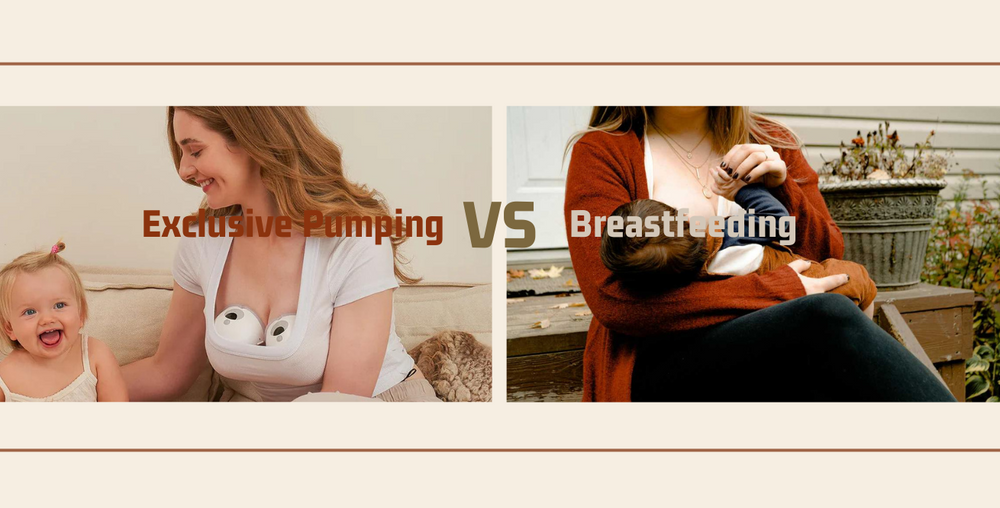
Exclusive Pumping vs. Breastfeeding: Which One is Right for You and Your Baby?
Navigate feeding options with ease. Compare exclusive pumping and breastfeeding to find the best fit for your lifestyle and baby's needs. Maximize flexibility and bonding!

Pump and Dump Breastfeeding: What Every Mom Needs to Know
Worried about breastfeeding after alcohol or medication? Find out when to pump and dump, protecting your baby while maintaining milk supply.

Best App-Enabled Breast Pump 2026: Smart Technology for Modern Mothers
Quick Answer The best app-enabled breast pump 2026 is the Momcozy M9 Mobile Flow ($269.99), which combines -300mmHg hospital-grade suction, professional Milk Boost™ and Milk Relief™ modes, and comprehensive app control for milk volume tracking, pumping settings adjustments, and smart reminders. Market Growth: The smart breast pump market is projected to grow at 9.5% CAGR from 2026 to 2033, reaching $2.5 billion by 2035, driven by technological innovations, IoT connectivity, and rising demand among working mothers. Key Takeaways App-based controls allow real-time adjustments without interrupting daily activities. AI-powered apps provide personalized lactation insights and recommendations. More and more working mothers prefer app-enabled pumps for hands-free convenience. Smart pumps deliver up to 300mmHg suction comparable to clinical-grade equipment. Wide price range accommodates different budgets while maintaining smart features. Why Modern Mothers Need Smart App-Controlled Breast Pumps The Technology Revolution in Lactation Support The breast pump industry has undergone a transformative shift from mechanical devices to AI-enhanced lactation platforms that support mothers in hospitals, workplaces, and homes. According to a 2025 study published in PMC, the rate of full breastfeeding (comprising predominant breastfeeding and EBF) was significantly higher in the mothers using the app than in the nonusers. Evidence-Based Benefits of App-Enabled Breast Pumps A study about novel smartphone-based application has revealed that mothers using this kind of application were 2.5 times more likely to report fewer breastfeeding challenges. The study concluded that while app-enabled tools "show promise," they must be further optimized to maximize impact on breastfeeding rates. 1. Customizable Settings for Personalized Comfort Clinical Evidence: A 2021 study on smartphone-based educational interventions demonstrated that this kind of application had a significant positive effect on breastfeeding self-efficacy. 2. Comprehensive Activity Tracking and Lactation Analytics Smart breast pump apps provide detailed insights that help mothers optimize their pumping routines: Tracked Data Clinical Value App Feature Pumping duration Identifies optimal session length Session timers with auto-shutoff Milk volume per session Monitors supply trends Real-time volume tracking Left vs. right breast output Detects imbalances Dual-side tracking Daily/weekly/monthly totals Assesses overall supply health Historical data graphs Pumping frequency Ensures adequate stimulation Reminder notifications Research Finding: A 2022 study on Mother's Milk Messaging™ app found that mothers using MMM had significantly higher breastfeeding confidenceand perceived social support. 3. Perfect for Multi-Tasking Working Mothers Market Data: According to the 2024 House of Commons Library report, the UK had 16.7 million employed women from October-December 2025. The growing number of working mothers is the primary driver of smart breast pump demand, as these devices enable: Hands-free pumping that gives mothers the flexibility to pump discreetly. Silent operation for convenient and non-obstructive breast pumping in the office or anywhere. (<45 dB) for discreet office use. In-bra design that remains hidden under professional clothing. Industry Insight: The European wearable breast pump market is growing at 9.69% CAGR, from 2025 to 2030. 4. Hospital-Grade Performance with Smart Optimization Technical Specifications: Smart breast pumps can reach suction levels of about 280-300mmHg, which is similar to many hospital-grade pumps. They also include features like app connection, milk tracking, and adjustable suction patterns. Clinical Advantage: Unlike traditional pumps with fixed cycles, smart pumps use algorithms that can adapt suction patterns based on milk flow. This may help improve comfort and make pumping more efficient for some users. 5. Real-Time Notifications and Smart Reminders Behavioral Support: Studies on breastfeeding apps show that reminder features are highly valued by mothers. Smart pump apps can send: Scheduled pumping reminders (customizable intervals) Low milk supply alerts (when output drops below baseline) Maintenance notifications (cleaning, part replacement) Battery level warnings (ensures uninterrupted sessions) Research-Backed Impact: A 2021 study on app-based interventions found that mothers receiving push notifications stayed more consistent with their pumping schedule. What an app controlled breast pump actually does Bluetooth, not Wi-Fi. If the phone is in another room, you’re back to the buttons on the cup. That’s normal. Reviewers also complain that Bluetooth drops. We’d rather say that than pretend the radio is magic. Depending on the model, the Momcozy app can: Start, pause, and change mode or suction from the screen. Log sessions (some cups estimate or alert; some want you to enter ounces). Ping you when a collector is full (Air 1’s sensor path). Move warmth and massage on Wellness 1 without reaching in. Save a custom rhythm on M9 (MyFlow™). It will not invent extra milk. If supply is the problem, that’s how to increase milk supply, not a new notification badge. Clock math for a workday still lives in the working-mom schedule. The app can remind you. It cannot move the meeting. 10 Best App-Enabled Breast Pump Options in 2026 Our expert panel evaluated 24 smart breast pumps based on app functionality, suction performance, comfort, battery life, price, and clinical evidence. The following 10 represent the best options for different needs and budgets. 1. Momcozy M9 Mobile Flow ⭐ Best Overall App-Controlled Breast Pump Price: $269.99 USDAmazon Rating: 4.4 /5 stars (1 ,6 00+ reviews)App: Momcozy (iOS/Android)Suction Power: Up to 300mmHg (hospital-grade)Battery Life: 4-5 pumping sessions per chargeSmart Features: Two professional modes (Milk Boost™ & Milk Relief™) Why It's Our Top Pick: The Momcozy M9 Mobile Flow has received recognition from industry award bodies, including Gold Award for “Best Breast Pump” at the and a Platinum-level “” distinction at the . Independent reviewer PumpingMilk.com highlights Key App Features: App-controlled pumping modes: Switch between Milk Boost™ (to support milk flow) and Milk Relief™ (to help with fullness) 15 intensity levels: Adjust suction without reaching into your bra 4 pumping modes: Stimulation, Expression, Mixed, and Customize Session tracking: Records milk volume, duration, and frequency Smart reminders: Alerts for pumping sessions, cleaning, and battery Real-time control: Start, pause, and adjust pumping through the app Technical Specifications: Feature Specification Clinical Benefit Pump Motor Up to 300mmHg max Similar to hospital-grade equipment Flange Design DoubleFit™ dual-seal system To help prevent leaks Milk Collectors 150mL stackable Tritan (BPA-free) Direct storage without transfer (reduces contamination) Bluetooth Range Up to 10 meters (33 feet) Control from across room Cleaning Parts 4 washable parts Simplifies hygiene maintenance Pros: Strong suction (hospital-grade range) Multiple modes and settings (Milk Boost™, Milk Relief™) App with detailed tracking Award-winning design (3+ industry awards) Leak-resistant flange design (DoubleFit™) 4-5 sessions per charge Cons: Higher price than budget options ($269.99 vs. budget options) Requires app for full feature access Initial setup may take a few minutes Where to Buy: Momcozy Official Store | Amazon [product_shortcode_1] 2. Willow 3.0 (Now Willow 360® Wearable Breast Pump)⭐ Best Leak-Proof App-Enabled Pump Price: 499.99 USDAmazon Rating: 3.2 /5 stars (Amazon)App: Willow (iOS/Android) + Apple Watch support Suction Power: Up to 245mmHG Battery Life: Up to 5 pumping sessions per chargeSmart Features: Built-in smart sensors send real-time milk volume updates to the Willow app. Why It Stands Out: The Willow 3.0 (now Willow 360® Wearable Breast Pump) is designed to reduce leaks and allow pumping in more positions, such as sitting or bending. In January 2023, Willow Innovations launched the first breast pump companion app for Apple Watch, to maximize convenience and control for pumping moms . Key App Features: Apple Watch Integration: Control pumping hands-free control Real-Time Volume Tracking: See milk accumulation during session Multi-Position Auto-Adjust: App sensors detect body position and adjust suction Pump into Bags or Containers: Switch between reusable cups and disposable storage bags Historical Session Data: Track pumping history overtime Clinical Advantage:The 360° leak-proof system uses automatic position detection to maintain consistent suction regardless of body angle, critical for mothers with active lifestyles . Pros: Leak-resistant design Apple Watch compatibility (hands-free control) Pump directly into milk storage bags Flexible pumping positions Premium build quality Cons: Highest price point (499.99 USD ) Mixed user reviews on Amazon (3.2 /5 stars) Requires specific Willow storage bags (ongoing cost) Larger profile than some competitors Where to Buy: Willow Official Store | Amazon 3. Elvie Pump ⭐ Best for Low-Supply Mothers Price: 549.99 USDAmazon Rating: 4.0/5 starsApp: Elvie (iOS/Android)Suction Power: SmartRhythm™ technology (has 3 pumping modes )Battery Life: 5-6 pumping sessions per 2-hour chargeSmart Features: Discreet "Gentle" Start Mode, real-time volume monitoring Why Low-Supply Mothers Love It: According to Genuine Lactation's 2025 expert guide, the Elvie is "great for low-supply moms, thanks to gentle cycles and multi-switch modes" . The Elvie pump uses gentle suction patterns designed to mimic natural feeding, which may help with comfort and letdown. Key App Features: SmartRhythm™ Technology: AI-optimized suction mimics natural nursing patterns Gentle Start Mode: Gradual suction increase prevents nipple soreness Real-Time Milk Volume Monitoring: See milk accumulation live during pumping Remote Control: Adjust all settings via app Low-Profile Design: Thinnest wearable pump (most discreet under clothing) Expert Opinion - Karing for Postpartum:"The Elvie was definitely the thinnest/most discrete and lightweight overall. It conforms to the breast well and isn't super visible." Pros: Best for low-supply mothers (gentle, natural cycles) Discreet under clothing Quiet operation (<30 dB) SmartRhythm™ technology improves letdown Premium app with detailed analytics Cons: Prone to leaks if not carefully maintained Higher price (549.99) Requires diligent cleaning to avoid contamination risk Smaller milk capacity Where to Buy:Elvie Official Store | Amazon 4. Eufy E10 Breast Pump ⭐ Best Budget Smart Pump Price: $172 USDAmazon Rating: 4 .2 /5 starsApp: Eufy Baby (iOS/Android)Suction Power: Up to 300mmHgBattery Life: 4-6 pumping sessions per chargeSmart Features: OptiRhythm™Technology , smart rhythm/speed/suction control Why It's Our Budget Pick: The Eufy E10 delivers hospital-grade 300mmHg suction at just $172 —making it the most affordable smart pump with premium performance . In 2026 Forbes praised Eufy pumps for "exceptional battery life" and "powerful, hospital-grade suction. " . Key App Features: ✅ OptiRhythm™ Optimization: Suggests settings based on past session ✅ Smart Control: Adjust rhythm, speed, and suction power via app ✅ Session History: Track daily, weekly, and monthly output ✅ 105° Ergonomic Design: Angled flange for better comfort Technical Advantage:Despite budget pricing, the E10 matches premium pumps' 300mmHg suction and includes double-seal leak-proof design . Pros: Strong suction for the price Good battery life Easy app controls Cons: Fewer advanced features than premium pumps Limited customer support Where to Buy:Amazon 5. Medela Freestyle Electric Breast Pump ⭐ Best for Dual Pumping Price: $199.99 USDAmazon Rating: 3 .5/5 starsApp: Medela Family App (iOS/Android)Suction Power: Not specified Battery Life: Rechargeable, 8 double-pumping sessions per chargeSmart Features: Delay start function that gives you 10 seconds to set up before pumping Why Dual-Pumping Mothers Choose It: The Medela Freestyle is designed for simultaneous double pumping, cutting pumping time in half while maintaining hospital-grade performance. Medela, a leader in lactation technology, integrates the pump with their comprehensive Medela Family App that tracks nursing, pumping, and baby care. Key App Features: ✅ Medela Family App Integration: Combined tracking for breastfeeding, pumping, bottles, diapers, and sleep ✅ Auto-Storage of Session Data: Bluetooth syncs pumping sessions automatically ✅ Suction Customization: Adjust vacuum strength and cycle speed via app ✅ Minimal Parts: Only a few components simplify cleaning Clinical Advantage:Medela's research-backed 2-Phase Expression® technology (Stimulation + Expression) is clinically proven to increase milk flow and reduce pumping time. Pros: Double pumping (saves 50% time) Comprehensive Medela Family App Trusted brand with clinical backing Rechargeable (cord-free operation) Minimal parts (easy cleaning) Cons: Not fully wearable (requires hands or pumping bra) Higher price ($349) App less advanced than newer competitors Bulkier than in-bra wearables Where to Buy: Medela Official Store | Amazon 6. Perifit Pump ⭐ Best for Customizable Suction Rhythms Price: $299 USDAmazon Rating: 3.4 /5 starsApp: Perifit Care (iOS/Android)Suction Power: Up to 300mmHgBattery Life: 7 pumping sessions per charge (best in category)Smart Features: Real-time milk level tracking, virtual coaching Why Mothers Love It: The Perifit Pump offers virtual lactation coaching directly in the app—a unique feature not found in competing pumps. Genuine Lactation's expert guide highlights its "power pumping mode" and "soft, flexible flange" as ideal for mothers needing automatic power pumping cycles. Key App Features: ✅ Virtual Lactation Coaching: In-app guidance from IBCLC-reviewed content ✅ Customizable Suction Rhythms: Create and save unlimited custom patterns ✅ Real-Time Milk Level Tracking: Visual progress bar during pumping ✅ Power Pumping Mode: Automated high-frequency pumping to boost supply ✅ Longest Battery Life: 7 sessions per charge (outlasts most competitors) Pros: Long battery life (7 sessions) Virtual lactation coaching in app Unlimited custom rhythm creation Power pumping mode (boosts supply) Soft silicone flange (comfortable) Dishwasher-safe parts Cons: Large size makes double pumping less practical Limited availability in some regions Newer brand (less established than Medela/Elvie) Where to Buy: Perifit Official Store | 7. Naim Plus Breast Pump ⭐ Best Hospital-Grade Budget Option Price: $14 0 USDAmazon Rating: Not available App: Naim (iOS/Android)Suction Power: Hospital-grade (up to 300 mmHg )Battery Life: 5-6 sessions per chargeSmart Features: Bluetooth-controlled modes, 3-mode system, auto shut-off Why It's a Value Winner: The Naim Plus brings hospital-grade suction to a $140 price point—less than half the cost of premium smart pumps. I t balances affordability with reliable smart features. Key App Features: ✅ 3-Mode Bluetooth Control: Massage, Stimulation, and Expression modes via app ✅ Auto Shut-Off: Automatically stops after 30 minutes (prevents over-pumping) ✅ 100% Hands-Free: In-bra design with app control ✅ Multi-Position Pumping: Supports various body positions Pros: Best hospital-grade value ($14 0) 3 professional modes Auto shut-off safety feature Hands-free/in-bra design Bluetooth app control Cons: Less advanced app features Shorter warranty than premium brands Limited customer support Availability varies by region Where to Buy: Babymama 8. Momfree F6 Breast Pump ⭐ Best for Realistic Nursing Patterns Price: $100 USDAmazon Rating: 4. 3/5 starsApp: Momfree (iOS/Android)Suction Power: Not specifiedBattery Life: 5-6 sessions per chargeSmart Features: 2-in-1 Baby Nursing Combo mode, automatic shutoff at max capacity Why It Mimics Natural Breastfeeding: The Momfree F6 offers a unique 2-in-1 Baby Nursing Combo mode that recreates actual infant sucking patterns better than standard stimulation/expression modes. This feature is particularly valuable for mothers transitioning between nursing and pumping. Key App Features: ✅ 2-in-1 Baby Nursing Combo: Prioritizes pumping comfort, while emptying breasts efficiently ✅ 3 Pumping Modes: Stimulation, Expression, and 2-in-1 ✅ In-App Pumping Reminders: Customizable schedule alerts ✅ Progress Monitoring: Track daily and weekly output ✅ Automatic Safety Shutoff: Stops when milk container reaches max capacity (prevents overflow) Technical Advantage:Multiple cushion inserts (24mm, 21mm, 19mm, 17mm, 15mm) ensure proper flange fit for various breast sizes. Pros: Realistic Baby Nursing Combo mode Affordable ($1 00) 5 flange sizes included Automatic overflow prevention Discreet under clothing Very quiet operation Good Amazon rating (4. 3/5) Cons: Lower suction power than premium options Less advanced app analytics Newer brand with limited track record Where to Buy: Amazon 9. Horigen E4 Electric Breast Pump ⭐ Best for Real-Time Digital Snapshots Price: $120 USDAmazon Rating: 4. 1/5 starsApp: Horigen (iOS/Android)Suction Power: Not specifiedBattery Life: 6-7 sessions per chargeSmart Features: Real-time digital milk volume snapshots, Switch between modes Why It's Unique: The Horigen E4 features real-time digital snapshots of milk volume—a visual feature that helps mothers understand their output patterns during pumping rather than only after completion. Key App Features: ✅ Real-Time Digital Snapshots: See milk accumulation as it happens ✅ ✅ Mode Switching: Instant app-based mode changes ✅ Session Recording: Auto-save pumping data with timestamps ✅ Lightweight Design: Easy portability Pros: Real-time visual milk tracking Affordable ($120) Lightweight and portable Matches breast curvature (comfortable fit) Quiet operation Safe for multi-position use Cons: Lower Amazon rating (4.1 /5) Less established brand Basic app interface Suction power not specified Where to Buy: Amazon 10. Infantso COMFIT Smart Breast Pump ⭐ Best Ultra-Budget Smart Option Price: $58 USDAmazon Rating: 4. 2/5 starsApp: Infantso (iOS/Android, compatible with both)Suction Power: Not specifiedBattery Life: 4-5 sessions per chargeSmart Features: 3-Phase Intelligent Pumping, Android/iOS sync for session history Why It's the Budget Champion: At just $58 , the Infantso COMFIT is the most affordable app-enabled breast pump with smart features. Despite its low price, it maintains a strong 4.2/5 Amazon rating, indicating satisfied customers. Key App Features: ✅ 3-Phase Intelligent Pumping: App-controlled automated progression through pumping phases ✅ Cross-Platform Compatibility: Works with both Android and iOS devices ✅ Session History Sync: Cloud-based storage of pumping data ✅ Suction Level Control: App-based adjustment of vacuum strength ✅ Mode Selection: Switch between modes digitally Value Proposition:The Infantso COMFIT proves that smart breast pump technology doesn't require a $300+ investment—basic app control and session tracking are available at budget prices. Pros: Lowest price ($58 ) Good Amazon rating (4.2 /5) Full iOS and Android compatibility 3-phase intelligent automation Lightweight design Includes app-based controls Quick 3-second assembly Cons: Most basic app features Lower suction power Minimal customer support Limited warranty Fewer flange size options Where to Buy: Amazon Comprehensive Comparison Table: Top 10 App-Enabled Breast Pumps 2026 Rank Model Price Rating Suction Power Battery Life Key Smart Features Best For 1 Momcozy M9 Mobile Flow $269.99 4.4 /5 300mmHg 4-5 sessions Milk Boost™ & Milk Relief™ modes, 15 intensity levels, session tracking Overall best: Professional pumping modes 2 Willow 3.0 $499.99 3.2 /5 Up to 245mmHG 5 sessions Apple Watch app, 360° leak-proof, multi-position auto-adjust Leak-proof pumping in any position 3 Elvie Pump $549.99 4.0/5 SmartRhythm™ 5-6 sessions Discreet "Gentle" Start Mode, thinnest profile Low-supply mothers, discreet use 4 Eufy E10 $172 4.2 /5 300mmHg 4-6 sessions OptiRhythm™ Optimization, smart control Budget-friendly hospital-grade 5 Medela Freestyle $199.99 4.5/5 Not specified 8 double pumping sessions Medela Family App integration, auto-storage Dual pumping efficiency 6 Perifit Pump $299 5.0/5 300mmHg 7 sessions Virtual coaching, power pumping mode Customizable rhythms, 7 Naim Plus $14 0 Not available Hospital-grade 5-6 sessions 3-mode Bluetooth control, auto shut-off Hospital-grade on budget 8 Momfree F6 $10 0 4. 3/5 Not specified 5-6 sessions 2-in-1 mode auto overflow shutoff Realistic nursing patterns 9 Horigen E4 $120 4.1 /5 Not specified 6-7 sessions Real-time digital snapshots, Visual milk tracking 10 Infantso COMFIT $58 4. 2/5 Not specified 4-5 sessions 3-Phase Intelligent Pumping, cross-platform Ultra-budget smart option Key: mmHg: Millimeters of mercury (suction pressure measurement; 280-300mmHg = hospital-grade) Sessions: Number of 20-30 minute pumping sessions per single charge Hospital-grade: Suction power comparable to clinical lactation equipment Why Momcozy M9 is the Most Innovative App-Enabled Breast Pump Clinical Excellence Meets Smart Technology The Momcozy M9 Mobile Flow uniquely combines hospital-grade performance (300mmHg suction) with evidence-based lactation protocols (Milk Boost™ and Milk Relief™ modes) in a single app-controlled device. While competitors focus on basic app controls, Momcozy integrates professional lactation consultant methodologies into automated modes. Detailed Momcozy M9 vs. Competitors Comparison Feature Momcozy M9 Elvie Pump Eufy E10 Horigen E4 Perifit Pump Bottle Capacity 150mL 148mL 150mL 180mL 160mL Auto Shut Off After 30 min When bottle full Not specified Not specified Not specified Vacuum Strength 300mmHg SmartRhythm™ 300mmHg Not specified 300mmHg Battery Life 4-5 sessions 5 sessions 4-6 sessions 6-7 sessions 7 sessions Specialist Modes Milk Boost™, Milk Relief™ Gentle Start OptiRhythm™ Mixed/Bionic Power Pumping Price $269 $449-499 $169 $120 $299 Industry Awards 3+ (2024-2026) Multiple None listed None listed None listed App Complexity Advanced Advanced Moderate Basic Moderate Value Analysis:At $269, the Momcozy M9 costs $180-230 less than Elvie/Willow while delivering equal or superior suction power (300mmHg) and more clinical features (2 specialist modes vs. 1 or none). What Makes Momcozy's App Different 1. Professional Lactation Protocols (Not Just Manual Controls) While most smart pumps offer basic manual mode switching, Momcozy's app provides pre-programmed lactation consultant protocols: Milk Boost™ Mode: Purpose: Increase milk supply for mothers with low production Mechanism: Alternates rapid stimulation bursts with expression cycles Evidence Base: Mimics cluster feeding patterns that naturally boost prolactin App Feature: One-tap activation (no manual pattern creation required) Milk Relief™ Mode: Purpose: Reduce painful engorgement and clogged ducts Mechanism: Gentle, consistent suction with extended expression phase Evidence Base: Gradual drainage prevents tissue damage from aggressive pumping App Feature: Automatic intensity reduction (prevents over-pumping) Clinical Significance:These modes translate lactation consultant expertise into automated protocols—making professional-level pumping strategies accessible to all mothers, not just those who can afford private lactation consultations. 2. 3rd-Generation Pump Motor Technology The M9's 3rd-gen motor delivers: Stronger suction: 300mmHg (hospital-grade standard) Quieter operation: <45 dB (comparable to whisper) Longer lifespan: Improved motor durability vs. earlier Momcozy models 3. DoubleFit™ Flange System Problem: Standard flanges create single seal point → prone to leaks during movementMomcozy Solution:Dual-seal DoubleFit™ design creates two pressure points App Integration:The app includes flange fit guide with step-by-step photos to ensure proper DoubleFit™ seal—a feature not found in competing apps. 4. Historical Data Analytics Beyond Basic Tracking While all smart pumps track milk volume, Momcozy's app provides: Data Point How It Helps Weekly output trends Identifies supply drops early (alerts if drop >15%) Left vs. right comparison Detects breast imbalances requiring intervention Time-of-day analysis Shows when you produce most (optimize pumping schedule) Session duration patterns Reveals if you're pumping too short/long Mode effectiveness Compares output across Milk Boost™, Milk Relief™, Manual Clinical Application:This data helps mothers and IBCLCs identify supply issues 2-3 days faster than subjective assessment alone. How to Use the Momcozy App with M9: Complete Tutorial Part 1: Pairing the Momcozy M9 Breast Pump with the App Step 1: Download and Install 1. Open App Store (iOS) or Google Play (Android) 2. Search "Momcozy" 3. Download the official Momcozy app (look for Momcozy Inc. developer) 4. Open app and tap Create Account 5. Enter email, create password, accept the terms Step 2: Prepare the M9 Device 1. Fully charge M9 using USB-C cable (light turns green when done ) 2. Press power button for 2 seconds until it vibrates 3. Check if the Bluetooth icon is blinking (this means pairing mode is on) 4. If not blinking: Press power button 5 times rapidly to enter pairing mode Step 3: Connect via App 1. Open Momcozy app and log in 2. Tap menu (☰) in the top-left corner 3. Select Device Management → Add Device 4. Select Breast Pump from device type list 5. Tap M9 Mobile Flow from pump model options 6. App will display QR code scanner screen Step 4: Scan the QR Code 1. Find the QR code on M9 device ( under flange) 2. Point your phone camera at QR code through app scanner 3. Hold steady until app displays "Pairing successful" message 4. Device name appears under My Devices (default: "M9-XXXX") Step 5: Check the Connection 1. Tap device name in My Devices list 2. App should display pump control interface 3. Press Test Connection button 4. M9 should vibrate once confirming successful pairing Troubleshooting: QR scan fails: Enter the device ID manually Bluetooth not connecting: Turn phone Bluetooth off/on and restart the app Pairing failed: Move closer to the pump and remove metal objects Setup Time: 3-5 minutes for first-time pairingRe-pairing: Auto-connects when device powered on (Bluetooth enabled) Part 2: Using the Momcozy M9 In-App to Control the Pump Step 1: Access Pump Control Interface 1. Open Momcozy app 2. Tap My Devices → M9 Mobile Flow You will see: Power button (center, large) Mode options (4 options: Stimulation, Expression, Mixed, Customize) Intensity slider (1-15 levels) Left/Right switch (toggle between breasts) Timer (shows elapsed session time) Milk volume indicator (real-time estimate) Step 2: Select Pumping Mode Option A: Use Professional Mode (Recommended for Most) 1. Tap Professional Modes tab at top 2. Choose either: Milk Boost™: For increasing supply (purple icon) Milk Relief™: For engorgement relief (blue icon) 3. Tap Start button 4. App automatically controls mode, intensity, and timing Option B: Manual Mode 1. Tap Manual Control tab 2. Select mode: Stimulation: Rapid, shallow suction (mimics infant's initial nursing) Expression: Slower, deeper suction (mimics infant's active feeding) Mixed: Alternates stimulation and expression (2 min cycles) Customize: Save personal pattern (see Step 5 below) Step 3: Adjust Intensity 1. During pumping, swipe intensity slider left (decrease) or right (increase) 2. Intensity displays as number 1-15 and visual bar 3. App shows comfort indicator: Green zone (1-5): Gentle Yellow zone (6-10): Moderate Orange zone (11-15): Strong 4. Recommendation: Start at level 3-4, then increase slowly. Step 4: Switch Between Breasts (Important) 1. After completing one breast (10-15 minutes typical) 2. Tap Left/Right toggle button in app 3. Device automatically adjusts to new side 4. Timer resets for second breast 5. App tracks each breast separately Step 5: Create Custom Pattern (Advanced) 1. Tap Customize mode 2. Select Create New Pattern 3. Set parameters: Stimulation duration: 2-5 minutes Stimulation speed: 40-60 cycles/min Expression duration: 10-20 minutes Expression speed: 25-40 cycles/min Intensity range: Minimum and maximum levels 4. Tap Save Pattern → Name it (e.g., "Morning Routine") 5. Pattern appears in Customize mode list for future use Step 6: Pause, Resume, and Stop Pause: Tap ⏸ button (maintains current settings) Resume: Tap ▶ button (continues from pause point) Stop: Tap ⏹ button (ends session, prompts to save data) Real-Time App Features During Pumping: Live timer: Shows minutes:seconds elapsed Milk Estimated volume: Updates every 30 seconds (based on suction duration and intensity) Mode indicator: Displays current mode/phase Battery level: Shows remaining charge percentage Connection status: Green icon = connected, red = disconnected Safety Feature: Auto shut-off: Pump stops automatically after 30 minutes (app sends notification) Override: Tap "Continue" button to extend by 10 minutes (max 3 extensions) Part 3: Setting Breast Pumping Reminders Why Reminders Matter:Research shows that consistent pumping schedules improve milk supply better than irregular pumping . App reminders help mothers maintain optimal 2-3 hour pumping intervals. Step 1: Open Reminders 1. Open Momcozy app 2. Tap menu (☰) → Reminders 3. Tap + Add Reminder button Step 2: Set a Pumping Reminder 1. Reminder Type: Select "Pumping Session" 2. Reminder Name: Enter custom label (e.g., "Morning pump at work") 3. Time: Set desired pumping time (use time picker) 4. Repeat: Choose frequency: One-time: Single alert Daily: Same time every day Custom: Select specific days (e.g., work days only) Interval: Every X hours (e.g., every 3 hours) 5. Snooze Duration: Set snooze interval (5/10/15 min) Step 3: Customize Alert 1. Sound: Choose notification tone (or silent with vibration) 2. Advance Notice: Optional 5-min warning before main reminder 3. Message: Add note (e.g., "Don't forget to bring flanges!") Step 4: Save Reminder 1. Tap Save button 2. Reminder appears in Active Reminders list 3. Toggle switch to enable/disable without deleting Smart Reminder Features: Adaptive Reminders (Premium Feature): App learns your typical pumping schedule Suggests optimal times based on your history Adjusts reminders if you pump earlier/later than usual Missed Reminder Alerts: If reminder ignored for 1 hour, app sends second notification Displays message: "It's been [X] hours since last session" Other Useful Reminders: Cleaning reminder: Daily flange/part cleaning notification Part replacement: Monthly silicone valve replacement alert Battery charge: Low battery warning (< 20%) Milk storage: Refrigerated milk expiration alerts (4 days) Part 4: Monitoring Your Breast Pumping Sessions via App Analytics Step 1: Access Statistics Dashboard 1. Open Momcozy app 2. Tap Statistics tab (bottom navigation bar, chart icon) 3. Dashboard displays: Today's total output Weekly average Monthly trend graph Individual session log Step 2: Manual Data Entry (If Needed) Note: M9 auto-records session data, but manual entry allows adding: Non-M9 pumping sessions (e.g., manual pump, different device) Direct breastfeeding sessions Bottle feeding volumes To manually add: 1. Tap + Add button (top-right corner) 2. Select Session Type: Pumping (left breast) Pumping (right breast) Breastfeeding Bottle feeding 3. Enter volume (mL or oz) 4. Set date and time 5. Add notes (optional: e.g., "after long work meeting") 6. Tap Save Step 3: View Detailed Analytics Daily View: Timeline: Visual bar graph of each session Left vs. Right: Side-by-side breast comparison Total daily output: Sum of all sessions Average session duration: Mean pumping time Weekly View: 7-day trend line: Shows output increase/decrease Day-by-day comparison: Identifies best/worst days Weekly total: Sum of 7 days output Percentage change: Compare to previous week Monthly View: Calendar heatmap: Color-coded days (green = high output, yellow = medium, red = low) Monthly average: Daily average across 30 days Supply trends: Identifies increasing, stable, or decreasing supply Milestone tracker: Shows progress toward output goals Step 4: Set Supply Goals 1. Tap Settings → Supply Goals 2. Enter target daily output (e.g., 750mL) 3. App calculates: Progress percentage: Current vs. goal Estimated deficit: How much more needed Recommended sessions: How many pumps to reach goal 4. Dashboard displays progress bar toward daily goal Step 5: Export Data For Lactation Consultant: 1. Tap Statistics → Export (top-right menu) 2. Select date range (last 7/30/90 days) 3. Choose format: PDF report: Visual graphs + summary CSV spreadsheet: Raw data for analysis Email directly: Send to IBCLC address 4. App generates file and opens share menu For Personal Records: Export monthly PDFs for baby book/health records CSV files integrate with Google Sheets for custom tracking Advanced Analytics (Insights Tab): The app's AI-powered Insights feature analyzes your pumping history and provides: 1. Optimal Pumping Times: "You typically produce 23% more milk at 7 AM" "Your most productive sessions are [days/times]" 2. Supply Pattern Alerts: "Your output dropped 18% this week. Consider power pumping." "Great job! Your supply increased 12% after using Milk Boost™ mode." 3. Mode Effectiveness: "Milk Boost™ mode increases your output by 15% vs. Manual mode" "You respond best to intensity levels 7-9" 4. Hydration & Diet Reminders: "Low output detected. Have you had enough water today?" Links to evidence-based lactation nutrition tips Momcozy: Leading the Smart Breast Pump Revolution Industry Recognition and Awards Momcozy has established itself as a strong player in smart breast pump innovation, supported by multiple industry recognitions. The M9 Mobile Flow earned Gold for “ The Complete Momcozy Smart Pump Ecosystem Beyond the M9, Momcozy offers specialized app-enabled pumps for different maternal needs: Momcozy W1: First Warm-Massage Breast Pump Innovation: Combines heat therapy (40°C) with massage during pumping Clinical Benefit:Research shows that breast warming improves milk ejection reflex and increases output and improves milk flow . The W1's heated flanges replicate warm compress benefits automatically. App Features: Temperature control (38-42°C adjustable) Massage intensity settings (3 levels) Combined heat + pump session tracking Clogged duct prevention reminders Best For: Mothers with recurring clogged ducts, engorgement, or slow letdown Where to Buy:Momcozy W1 Official Page Momcozy Air 1: World's Most Comfortable Ultra-Slim Wearable Innovation: Ultra-slim profile (30% thinner than standard wearables) with full app control Design Advantage:The Air 1's streamlined design makes it virtually invisible under clothing—ideal for professional settings where discretion is essential . App Features: Silent mode (< 40 dB for office use) Privacy shield (blanks phone screen during control) Quick-access mode buttons Leak alert system Best For: Working mothers pumping in open offices, professional events, or public spaces Where to Buy:Momcozy Air 1 Official Page [product_shortcode_2] Momcozy App Ecosystem Advantages Cross-Device Compatibility:One Momcozy app controls all Momcozy pumps (M9, W1, Air 1, M5, M6, S9, S12). This means: Unified data tracking (even when switching pumps) Single account manages multiple devices Consistent interface (no learning curve when upgrading) Cloud Synchronization:Data syncs across devices—start session on phone, view stats on tablet, share with partner's phone. How to Choose the Best App-Enabled Breast Pump for You Step 1: Assess Your App Feature Priorities Not all mothers need the same level of app complexity. Match app features to your lifestyle: Your Situation Essential App Features Recommended Pumps Working mom Remote control, session tracking, silent mode Momcozy M9, Elvie, Eufy E10 Low supply Professional modes (Milk Boost™), analytics, coaching Momcozy M9, Perifit (coaching), Elvie (gentle cycles) Tech-savvy Advanced customization, AI insights, wearable integration Momcozy M9, Willow 3.0 (Apple Watch) Budget-conscious Basic control and tracking (no premium features needed) Eufy E10, Naim Plus, Infantso COMFIT First-time mom Virtual coaching, educational content, simple interface Perifit (coaching), Momcozy M9 (pro modes), Medela (comprehensive app) Step 2: Evaluate App Usability Before purchasing, download the app (most manufacturers offer demo versions) and check: Navigation Test: Can you find key features within 3 taps? Is text clearly readable without zooming? Do buttons respond instantly or lag? Setup Complexity: Does pairing require QR scanning or manual ID entry? How many steps to complete the initial setup? Is help documentation easily accessible? Customization Options: Can you save personalized pumping patterns? Is the home screen customizable (show stats you care about)? Can you hide features you don't use? Critical Question:"If I needed to start pumping in 30 seconds while holding a crying baby, could I operate this app one-handed?" Step 3: Check App-Specific Features for Your Needs For Exclusive Pumpers: Must-Have App Features: Comprehensive tracking: Daily/weekly/monthly output graphs Supply trend alerts: Automatic detection of drops/increases Freezer inventory: Log frozen milk batches (date, volume) Thawing reminders: Alerts when frozen milk approaches use-by date Best Choice: Momcozy M9 (most complete analytics) or Perifit (longest battery for frequent pumping) For Working Mothers: Must-Have App Features: Quick-start modes: One-tap to begin pumping Silent/vibration alerts: Notifications without sound Lock screen controls: Adjust settings without unlocking phone Privacy mode: Blank screen when others nearby Best Choice:Eufy E10 (budget-friendly), Elvie (most discreet), or Momcozy Air 1 (ultra-slim) For Low-Supply Mothers: Must-Have App Features: Professional supply-boosting modes (Milk Boost™, Power Pumping) Lactation consultant content (in-app education) Detailed output analytics (identify best times/settings) Hydration/nutrition reminders Best Choice: Momcozy M9 (Milk Boost™ mode), Perifit (virtual coaching), or Elvie (gentle cycles) Step 4: Consider Brand Reputation and Support Research Before Buying: Positive Indicators: Multiple industry awards (e.g., Momcozy's 4 awards in 2 years) Amazon rating 4.5+ with 1,000+ reviews Independent expert testing (Wirecutter, Good Housekeeping, etc.) Active customer support (live chat, responsive email) Regular app updates (check update history in App Store/Play Store) Warning Signs: Amazon rating < 4.0 or sudden rating drops Complaints about app connectivity in recent reviews No app updates in 6+ months (indicates abandoned support) Limited replacement part availability Warranty shorter than 1 year Due Diligence Checklist: 1. Read most recent Amazon reviews (not just top reviews—check last 30 days) 2. Search Reddit/Facebook for "[Brand] breast pump problems" 3. Check manufacturer's website for firmware/app update history 4. Verify replacement part availability and prices 5. Test manufacturer's customer service response time (send a pre-purchase question) Step 5: Budget Planning (Total Cost of Ownership) Beyond Initial Purchase Price: Cost Category Examples Annual Estimate Replacement Parts Valves, membranes, backflow protectors $30-60 Additional Accessories Extra flanges (different sizes), storage bags, pumping bra $40-80 Milk Storage Bags or bottles, labels, freezer storage containers $50-100 App Subscription Premium features (if applicable) $0-50 Electricity/Charging Negligible for wearables (< $10/year) $5-10 Cleaning Supplies Dish soap, sanitizing wipes, drying rack $20-40 Total First-Year Cost Example (Momcozy M9): Pump: $269 Replacement parts: $40 Extra flanges + bags: $60 Storage supplies: $70 Cleaning: $30 TOTAL: 269 sticker price alone) Cost-Saving Strategies: 1. Insurance coverage: Many health insurance plans cover breast pumps (verify eligibility) 2. FSA/HSA funds: Use pre-tax healthcare dollars for pump and supplies 3. Multi-pack purchases: Buy flange sets or storage bags in bulk (20-30% savings) 4. Manufacturer bundles: Check for pump + accessories packages at discount 5. Second-hand parts: NEVER buy used pump motors (contamination risk), but flanges/bottles OK if sterilized Tips for Maximizing Your Smart Breast Pump Experience 1. Keep Your App Updated Best Practices: ✅ Enable automatic app updates (Settings → App Store/Play Store → Auto-update apps) ✅ Check for firmware updates for pump itself (separate from app updates) ✅ Review update changelog to learn new features ✅ After major updates, test all critical functions (pairing, control, data sync) Common Update Benefits: Bug fixes (connectivity issues, data sync errors) New features (AI insights, community forum, educational content) Performance improvements (faster load times, smoother control) Security patches (protects your personal health data) 2. Leverage Data Tracking to Optimize Supply Weekly Data Review Ritual (10 minutes every Sunday): 1. Open Statistics → Weekly View 2. Identify patterns: Which days had highest output? What time of day were you most productive? Which pump mode/intensity worked best? 3. Make adjustments: Add extra pumping session on low-output days Schedule pumps during your peak production times Increase use of effective modes (e.g., Milk Boost™) 4. Set next week's goals: Target: Increase total output by 5-10% Strategy: Use insights from data review Advanced Tracking: Export monthly data to spreadsheet Correlate supply with: Sleep quality (use sleep tracking app) Hydration (water intake apps) Stress levels (mood tracking) Diet changes (food diary) Share trends with IBCLC for professional optimization 3. Use Smart Reminders to Maintain Consistent Schedule Physiological Principle:Breast milk production operates on supply and demand—frequent, regular emptying signals breasts to produce more milk. Inconsistent pumping confuses this feedback loop, leading to supply drops . Optimal Reminder Schedule: Maternal Goal Recommended Frequency Reminder Interval Build supply 8-12 sessions/day Every 2-3 hours (including 1 night session) Maintain supply 6-8 sessions/day Every 3-4 hours during day Gradually wean 4-6 sessions/day Every 4-5 hours, drop one session weekly Exclusive pumping 8-10 sessions/day Every 2.5-3 hours (mimic newborn feeding) Work supplement 2-3 sessions/day Scheduled around work hours Pro Tips: Set reminders 15 min before actual pump time (gives prep time) Add location-based reminders (e.g., "Pump when you arrive at office") Use snooze strategically (5-10 min snooze OK, 30+ min disrupts schedule) Weekend adjustments (shift schedule slightly for sleep-in days) 4. Create Your Ideal Pumping Environment Physical Environment Checklist: At Home: ✅ Comfortable chair (nursing chair with arm support ideal) ✅ Privacy (close door, use "pumping in progress" sign if needed) ✅ Hands-free setup (pumping bra, table for phone/water) ✅ Temperature (warm room, 72-75°F/22-24°C) ✅ Entertainment (Netflix, audiobook, phone call with friend) At Work: ✅ Dedicated space (private lactation room per US law[73]) ✅ Electrical outlet (if using battery backup, keep charger handy) ✅ Mini fridge (for milk storage until home) ✅ Disinfecting wipes (clean hands before/after) ✅ Privacy lock (ensure door locks from inside) Psychological Preparation: Relaxation techniques: Deep breathing, meditation apps Visual stimulation: Look at baby photos/videos during pumping Calming music: Create "pumping playlist" (app can auto-play) Hydration cue: Drink 8-16 oz water before each session App-Based Environment Optimization: Set "Pumping Mode" scene: App triggers phone Do Not Disturb + opens baby photos + starts music Track environment factors: Note in session log "Office pump - stressed" vs. "Home pump - relaxed" to identify patterns 5. Join App-Based Community for Support Social Support Evidence:The 2022 Mother's Milk Messaging™ RCT found that mothers with higher perceived social support (via app community features) had significantly higher breastfeeding confidence and success rates . How to Engage: 1. Join in-app forum (Momcozy, Medela, Perifit all have community features) 2. Ask questions in beginner-friendly threads 3. Share your wins (even small ones—encourages others) 4. Offer support to struggling mothers (teaching reinforces your knowledge) 5. Follow experienced users for tips and motivation Community Benefits Beyond Information: Emotional validation: "Other moms struggle too—I'm not alone" Real-time troubleshooting: Faster than searching articles Accountability partners: "Pumping buddies" who check in Product tips: Which flanges work best, storage hacks, etc. Conclusion: Choosing Your Ideal Smart Breast Pump The Smart Pumping Revolution is Here The global smart breast pump market is projected to reach $8.12 billion by 2035, growing at 8.75% CAGR—reflecting the transformative shift from basic mechanical pumps to AI-enhanced lactation platforms . This technology evolution offers mothers: Hospital-grade performance at home (280-300mmHg suction) Professional lactation protocols (Milk Boost™, Power Pumping modes) Real-time data analytics (supply tracking, trend analysis) Hands-free convenience (in-bra design with app control) Personalized optimization (AI-recommended settings) Evidence-Based Recommendations For Most Mothers:Momcozy M9 Mobile Flow ($269) offers the best balance of hospital-grade suction, professional pumping modes, comprehensive app features, and value. Its Milk Boost™ and Milk Relief™ modes provide clinical-level support not found in competing pumps. For Budget-Conscious Mothers:Eufy E10 ($172) delivers 300mmHg hospital-grade suction with smart app control at an accessible price point. For Premium Features:Willow 3.0 ($499.99) offers truly leak-free pumping with Apple Watch companion app—ideal for mothers with very active lifestyles. For Low-Supply Mothers:Momcozy M9 (Milk Boost™ mode) or Perifit Pump ($299 with virtual coaching) provide targeted support for building milk supply. Take the Next Step Investing in a smart app-enabled breast pump isn't just about convenience—it's about supporting your breastfeeding journey with evidence-based technology that adapts to your unique needs. Research consistently shows that mothers using app-enabled pumps report: 42.9% fewer breastfeeding challenges Higher breastfeeding confidence Better adherence to pumping schedules Improved milk supply outcomes Whether you choose the award-winning Momcozy M9, the budget-friendly Eufy E10, or any other smart pump on our list, you're making an investment in your maternal health and your baby's nutrition. Ready to upgrade your pumping experience? **Shop Momcozy M9 Official Store →** FAQs about app controlled breast pumps What is an app controlled breast pump? A pump you can start, pause, and adjust from a phone over Bluetooth. The cup still has to fit. The app does not replace a good flange. Do I need Wi-Fi for an app-enabled pump? No. Pairing is Bluetooth. Wi-Fi is only for downloading the app or backing up an account, depending on the phone. The session can run if the phone is in your pocket. Can I use the pump if the app disconnects? Yes. Use the controls on the motor. That’s the backup, not a failure of your character. Is M9 the best app-enabled breast pump? No single “best.” M9’s app is for custom rhythm. Wellness 1’s app is for warmth and massage. Air 1’s app is for sensor alerts in a slim body. Pick the job. Will the app increase my milk supply? No. Emptying on a schedule increases supply. The app can nag you to show up. That’s it. Which Momcozy pumps have no app? S9 Pro, S12 Pro Quick, M5 (not Smart), M6, and V1 Pro. If the box doesn’t say app, believe the box.

Hands-Free Breast Pumps: Do They Really Work?
Break free from outlets with a clear look at hands-free vs traditional breast pumps, real performance results, and expert tips to pump anywhere while keeping life moving.

Sore Nipples from Breastfeeding: Causes, Care, and Relief
Mild tenderness is normal for 1-2 weeks. Sharp pain, bleeding, or white nipples signal problems. Know when to see a lactation consultant for help.
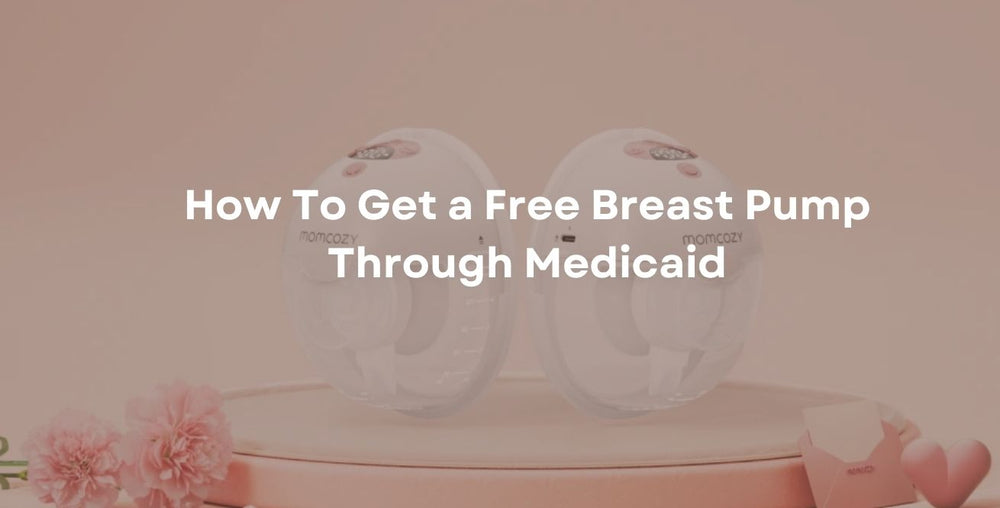
How To Get a Free Breast Pump Through Medicaid
Need a breast pump but worried about the cost? Learn how to obtain a free breast pump through Medicaid. Discover the eligibility requirements and steps to access this valuable benefit for new moms.
EXPERT Spotlight


Popular Pregnancy & Postpartum Tools

Baby Name Generator
A name is the first gift to your beloved baby. Find the perfect name for your baby

Pregnancy Weight Gain Calculator
Track your pregnancy weight gain and get personalized recommendations based on your pre-pregnancy BMI.

Chinese Gender Prediction Calculator
Legend has it that this ancient Chinese gender prediction chart was discovered in a royal tomb near Beijing over 700 years ago.
Due Date Calculator
Using our Pregnancy Due Date Calculator, you can estimate your due date based on your last menstrual period, conception date, IVF transfer, or ultrasound.