When you're sick, keeping up with the demands of breastfeeding can feel especially challenging. Many mothers wonder, does milk supply drop when sick? The answer is that illness can sometimes lead to a temporary dip in milk production, particularly if you're dealing with dehydration, fatigue, missed nursing sessions, or certain medications. However, a decrease in supply doesn't necessarily mean you need to stop breastfeeding or that your milk supply won't recover.
In many cases, mothers can continue nursing or pumping while they are sick, and their milk supply often improves once they begin feeling better. In this article, we'll explore how illness can affect breast milk production, whether it's safe to breastfeed when you're unwell, practical ways to maintain or rebuild your supply, and how to help keep your baby healthy while you recover. We'll also answer common questions about breastfeeding, pumping, and milk supply during illness.
Does Milk Supply Drop When Sick?
Yes, a temporary milk supply drop when sick can happen, especially if illness leads to dehydration, fatigue, missed nursing sessions, reduced pumping, poor appetite, or certain medications. Some mothers also notice that pumping output looks lower while they are sick.
The good news is that illness does not automatically cause a permanent decrease in milk supply. In many cases, milk production improves once hydration, rest, nutrition, and regular milk removal return to normal.
Many mothers can continue breastfeeding during common illnesses such as a cold, flu, or stomach bug. If you're concerned about your baby's intake, notice fewer wet diapers, or your supply does not begin improving after recovery, contact a lactation consultant or healthcare provider.
Why Illness Can Affect Milk Supply Temporarily
When mothers ask, "does milk supply drop when sick?" the answer is often yes, but usually temporarily. When one is sick, the body uses a significant amount of its energy to fight off the infection and recover, which can impact breast milk production. Additionally, common sickness factors—like dehydration, fatigue, and stress—all have their roles in the milk supply drop while sick.
Although your body’s response to illness may lead to a temporary concern about does milk supply drop when sick, any decrease in breast milk production is usually short-term. Good hydration, proper nutrition, and continued nursing or pumping can help counteract these effects and support your milk supply during recovery. Although your body's response to being sick may cause a decrease in breast milk production good hydration, proper nutrition, and continued nursing or pumping can help counteract these effects. Additionally, be aware that certain medications prescribed during an illness may affect milk supply, so it is essential discuss breastfeeding-safe treatment options with a healthcare provider.
In addition, hormonal changes that occur when you are stressed—which you may well be if you are not feeling well—can impact the milk let-down reflex, making it more difficult. Rest as much as you can, stay hydrated, and reach out to others for support, which can help minimize these setbacks. Even with the temporary drop that is common in many mothers, most continue to have enough milk as long as breastfeeding or pumping continues.
Sudden Drop in Milk Supply While Sick: Common Triggers
A sudden drop in milk supply while sick can feel alarming, especially if pumping output suddenly decreases and you’re wondering does milk supply drop when sick.
In many cases, a temporary supply drop is related to:
-
Missing nursing sessions
-
Sleeping longer than usual while recovering
-
Dehydration from fever, vomiting, or diarrhea
-
Reduced calorie intake
-
Increased stress on the body
-
Taking certain medications
-
Baby feeding less during disrupted routines
For pumping mothers, one low-output pumping session does not always mean milk production has significantly decreased. Instead of focusing on a single session, look at:
-
Daily pumping totals
-
Baby's wet diapers
-
Feeding behavior
-
Weight gain
-
Overall trends
If your baby seems unsatisfied after feeds, has fewer wet diapers, or your supply remains low after recovery, seek professional support.
Can I Continue to Feed My Baby While Being Sick?
Yes, in most cases, it is safe to continue feeding your baby while you are sick. Breast milk isn't just a source of nutrition; it's also packed with antibodies that help protect your baby from getting the same illness. When you're fighting off a bug, your body makes specific antibodies to combat that illness, and these get passed directly to your baby through your breast milk.
A common concern many mothers have is does milk supply drop when sick and while mild illness, fatigue, or dehydration can sometimes lead to a temporary dip in supply, most moms are still able to maintain their milk production with regular feeding or pumping and proper rest and hydration.
There are, however, some infectious diseases that could be risks when breastfeeding. One of these is the possibility that HIV may be transferred from mother to infant, as well as other viruses excreted into breast milk. Common illnesses such as the flu, colds, or stomach viruses will not affect your ability to continue providing safe breast milk to your baby.
How to Keep Milk Supply Up While You Are Sick?
1. Keep Your Milk Flowing
To keep your milk supply steady when you or your baby is ill, it's crucial to empty your breasts often. Stick to a consistent nursing or pumping schedule, allowing your little one to feed as much as they want. If they're eating less and you're feeling engorged, pump after feedings to relieve fullness. You can store the expressed milk for later use, ensuring your supply remains robust for your baby's return to routine feeding.
2. Maintain Your Nursing Routine
Even if you're feeling under the weather, try to keep breastfeeding or pumping as close to your regular routine as possible. Regular nursing or pumping signals your body to continue producing milk. If you feel too sick to breastfeed, use a pump to maintain your milk supply and provide milk for someone else to feed your baby. In addition, a nursing pillow, like the Momcozy nursing pillow, can provide comfort and support during these times.
3. Switch to Pumping if Direct Contact is not Recommended
Sometimes, your doctor will advise against direct contact with your baby to protect their health. However, you would not want your breasts to stay full, as that will reduce your milk supply. You should use breast pumps to solve this problem. They will allow you to empty your breasts and feed your baby without direct feeding.
You'll want to use electric and wearable breast pumps when you are in this condition. It reduces the effort you need to exert, which means less stress and discomfort. The best options include the Momcozy M9, M5, and Air1. These breast pumps offer efficient pumping and long-lasting batteries. That's especially important in cases like this, when you'd want to pump often.
Ultra-slim
Wireless Charging
Effortless Alignment
Smart App Control
High Efficiency
Expert-Tuned Rhythms
APP Control
Long Battery
4. Rest as Much as Possible
Rest is crucial for recovery and maintaining a healthy milk supply. When you rest, your body can focus energy on milk production rather than just getting through the day. Take naps with your baby, go to bed early, and ask for help with household chores and other children if possible.
5. Stay Hydrated
Your body needs more fluids when you're sick, especially if you have a fever or are experiencing vomiting or diarrhea. Dehydration can quickly lead to a milk supply decrease when sick. Make sure to drink plenty of water, herbal teas, or electrolyte-replenishing beverages to stay hydrated.
6. Eat Nutritious Foods
A balanced diet helps sustain your milk supply. Focus on whole foods rich in vitamins and minerals. Include protein-rich foods, fruits, vegetables, whole grains, and foods high in vitamin C to boost your immune system.
7. Keep Calm and Carry On
Stress can hinder milk production, so finding ways to relax is essential. Gentle activities like reading, meditating, or deep-breathing exercises can reduce stress levels. Seek support from family and friends to lighten your load.
How Do I Prevent Getting My Baby Sick?
1. Wash Hands
The simplest yet most effective way to prevent the spread of germs is by washing your hands regularly. Make it a habit to wash your hands thoroughly with soap and water for at least 20 seconds before touching your baby, handling breast pump parts, or preparing bottles.
2. Use Masks to Protect Your Baby
If you have a cold, the flu, or another respiratory illness, wearing a mask can significantly reduce the risk of transmitting airborne pathogens to your baby. It's especially crucial when coughing or sneezing, as these actions can propel germs into the air.
3. Use a Breast Pump
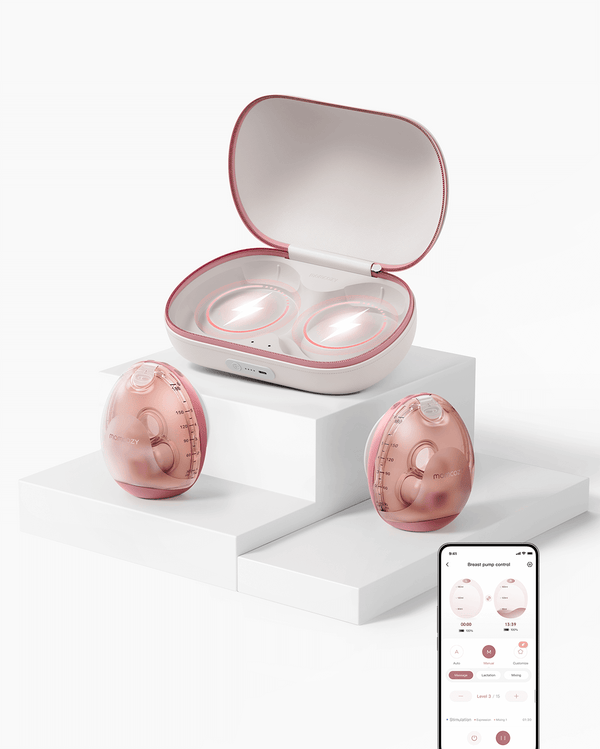
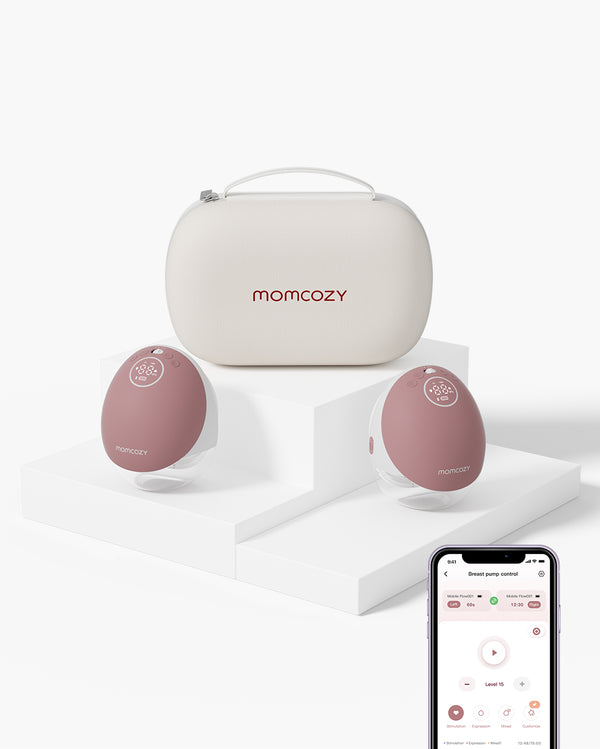
Does being sick decrease milk supply? It can. If you’re too unwell to nurse, the Momcozy Mobile Flow™ Hands-Free Breast Pump is here to support you. Using a breast pump instead of breastfeeding can help prevent direct contact with your baby and reduce the risk of infection. This pump is electric and you can wear it without using your hands, so you can easily move about or relax without being tied down. It's simple to use, too—just tap on the app to adjust the settings for a comfortable pumping session that suits how you're feeling. With powerful -300mmHg suction, you get quick and effective milk flow, helping you keep up your milk supply without added stress. That way, you can focus on getting better while still providing for your little one.
High Efficiency
Expert-Tuned Rhythms
APP Control
Long Battery
The Momcozy Wearable Breast Pump M5 is also a fantastic choice. This one mimics your baby, which creates a painless pumping experience. That’s a big help since you are already sick. Added discomfort will get in the way of your recovery.
New Mom Kit
Hands-Free Feed
Budget-Friendly Combo
Easy Pumping
The Air1 also offers a comfortable pumping experience. It offers quiet operation, which helps prevent overstimulation. This allows you to continue your rest while pumping. The best thing is that its wireless charging case makes 15 pumping sessions or 5 days of use possible. That said, if you want convenience, the Air1 is the product to get.
Ultra-slim
Wireless Charging
Effortless Alignment
Smart App Control
High Efficiency
Expert-Tuned Rhythms
APP Control
Long Battery
4. Keep Your Surroundings Clean
Regularly disinfect surfaces that are frequently touched, such as doorknobs, mobile phones, and toys. A clean environment will help reduce the chances of your baby coming into contact with harmful bacteria or viruses.
5. Smart Sneeze and Cough Control
Always cough or sneeze into a tissue or the crook of your elbow, not your hands. This practice helps to contain germs and prevent them from spreading to surfaces that your baby may touch.
6. Avoid Face-to-Face Contact
Try to limit face-to-face contact with your baby when you're very sick. Viruses are often spread through droplets that can be transmitted during close interactions. If you need to cough or sneeze while feeding or holding your baby, turn your head away to minimize exposure.
7. Get Help When You Need It
If you are significantly unwell, it might be best to have someone else take on the primary care duties until you feel better. This person could be a partner, family member, or friend who can help feed the baby with pumped breast milk and provide general care.
How to Increase Milk Supply After Being Sick?
If your milk supply decreased during illness, it often begins improving as your body recovers.
Try these steps:
Return to Frequent Nursing
Allow your baby to nurse on demand whenever possible.
Add Temporary Pump Sessions
If supply feels lower than usual, adding a short pumping session after nursing can provide additional stimulation.
A breast pump or wearable breast pump may offer flexibility while rebuilding your routine.
Use Breast Compression
Breast compression may encourage milk flow while your baby is actively feeding.
Switch Sides When Feeding Slows
If your baby becomes sleepy or less interested in feeding, switching breasts may help maintain active feeding.
Internal Link Opportunity:
"When to switch sides during breastfeeding"
Prioritize Recovery
Focus on:
-
Fluids
-
Nutritious meals
-
Sleep
-
Stress reduction
Avoid overly aggressive pumping schedules that leave you feeling more exhausted.
Consider Lactation Support
A lactation consultant can help evaluate milk transfer, feeding patterns, and recovery plans if supply concerns continue.
Is It OK to Take Medication While I Am Sick and Breastfeeding?
Yes, it is generally safe to take medication while breastfeeding, but with an important caveat: you must choose medicines that are deemed safe for nursing mothers. Many mothers who wonder, does milk supply drop when sick, are also concerned about whether medications could affect their breast milk production. While illness itself may sometimes contribute to a temporary dip in supply, certain medications can also play a role.
For example, most common antibiotics and pain relievers such as acetaminophen (Tylenol) and ibuprofen (Advil, Motrin) are typically considered safe for breastfeeding mothers. However, aspirin is usually not recommended due to the potential risk of Reye's syndrome in infants.
Certain decongestants and cold remedies should be used with caution, as they can potentially decrease breast milk production when used while sick. Pseudoephedrine, for instance, a common decongestant, has been associated with a decrease in breast milk production. Always look for "breastfeeding safe" alternatives and discuss them with your doctor.
The timing of medication is also a consideration. Taking medicine right after breastfeeding can minimize the amount of medication in your breast milk by the time your baby feeds again.
While being sick and breastfeeding can limit your options for medication, there are still many safe choices for treatment. The key is to work closely with your healthcare provider to ensure the safety and well-being of both you and your baby.
FAQs About Milk Supply Drop When Sick
Q1: Is it normal for milk supply to drop when sick?
Yes, it's pretty common to see a milk supply drop when sick. Your body is focusing on fighting the illness, which can temporarily affect how much milk you make. If you're not eating or drinking enough due to feeling unwell, that can also reduce your supply.
Q2: How to restore milk supply after recovery?
Once you start feeling better, you can increase milk supply by using a good breast pump to pump regularly or nursing more often. Drink plenty of fluids and eat a well-balanced diet to help your body recover. Rest as much as you can, and keep stress levels low. If you're still having trouble, consider reaching out to a lactation consultant for some personalized advice.
Q3: How does breastmilk change when you're sick?
Interestingly, your breast milk can change a bit when you're under the weather. It might contain more antibodies, specifically designed to fight off whatever bug you have, which is excellent for protecting your baby. The taste may alter slightly because of changes in your diet or medications you're taking. But these changes are typically minor and don't affect the milk’s overall quality or the benefits your baby gets from it. If you are worried about the impact of your breastmilk on your baby when you're sick, please always consult your doctor.
Keep Calm and Breastfeed On: A Gentle Reminder
If you get sick, it's pretty standard to see a dip in your milk supply, but don't worry too much—it usually comes right back once you're better. Just drink lots of water, get as much sleep as you can, eat foods that make you feel good, and talk to your doctor about what medicines you can take. Your breast milk is still doing a fantastic job keeping your baby healthy, even when you’re feeling under the weather. Hang in there, and keep doing what you’re doing. Before you know it, you'll be feeling stronger, and your milk flow will be back on track.