


Particularly during those middle-of-the-night feedings when warming a bottle feels like an additional challenge, you may worry as a new parent if it is safe for your newborn to swallow cold breast milk. Although many parents think breast milk should always be warmed, knowing the truth about feeding temperature will help you to simplify and ease your parenting life. Whether you're seeking more flexible feeding options by mixing breast and bottle feeding or just pumping, you should be aware of the safety, advantages, and possible risks involved when your infant drinks cold breast milk. Let's investigate what professionals have to say on this often-asked parenting concern.
Can Newborns Drink Cold Breast Milk?
Yes. Newborns have no trouble breaking down cold breast milk. Although some parents worry about whether the warmth of the milk would affect a baby's capacity to absorb it, most babies can manage milk at various temperatures, including cold. The secret is making sure the milk has been kept correctly to preserve its nutritional worth and safety.
Temperature's Effect on Breast Milk
The special makeup of breast milk keeps it nutritionally constant at various temperatures. Whether heated or cold, the antibodies, lipids, and other healthful ingredients remain whole. Following correct storage practices—using clean containers, keeping suitable fridge temperatures (around 40°F/4°C), and following advised storage times—matters most.
Baby's Individual Preferences
Each baby may respond differently to milk temperature. Some babies readily accept cold milk from birth, while others might show a preference for warmed milk since it's closer to body temperature. It's important to observe your baby's feeding cues and comfort level when introducing cold milk.
Proper Feeding Technique
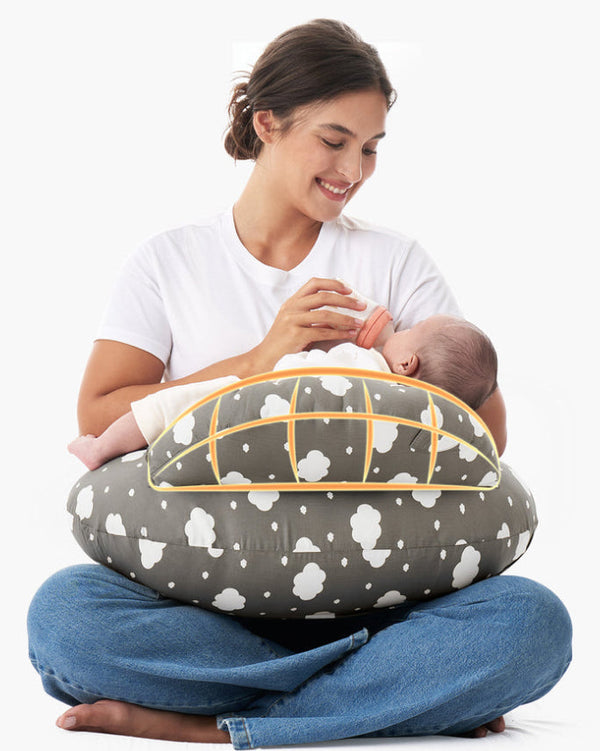
When offering cold breast milk, ensure proper bottle-feeding positions and pacing, regardless of temperature. Hold your baby semi-upright, never feed them lying flat, and use paced bottle-feeding techniques to prevent overfeeding and support healthy feeding patterns.
Using a breastfeeding pillow like the Momcozy Nursing Pillow Ergonomic Support can help you maintain this semi-upright position more comfortably during the session.

Pros of Feeding Your Baby Cold Breastmilk or Formula
Serving formula or cold breast milk can help streamline parenting. For late-night feedings, provide convenience; they also maintain nutrients and help travel. Here are the main advantages to give thought.
1. Immediate Feeding Convenience
When it comes time for feeding, cold breast milk is rather handy. When your infant is hungry—especially during night feedings—you can right away serve cold milk without waiting for heating. This fast reaction to hunger signals can assist your baby in avoiding becoming too agitated and challenging for you to feed. A baby bottle warmer like the Momcozy NightPro Baby Bottle Warmer - Night Feeding ensures that when you do need warm milk, it's ready quickly and consistently.
2. Nutritional Preservation
Cold milk preserves its whole nutritional balance free from heat-related breakdown. Direct cold milk serving from appropriate refrigeration guarantees that all beneficial elements, including proteins and necessary antibodies, stay exactly whole. This preservation of nutrients gives your developing child the best nutrition available.
3. Travel and Outdoor Benefits
For parents on the move, cold milk feeding eliminates the need for warming equipment or searching for heating solutions. Whether you're running errands, visiting friends, or traveling, you can confidently feed your baby without worrying about finding ways to warm the milk. For times when warm milk is preferred, the Momcozy Superfast Portable Breast Milk & Water Warmer Travel is a compact and reliable option to bring along. This flexibility makes outings with your baby more manageable and less stressful.


4. Temperature Adaptability Development
Introducing cold milk early helps develop your baby's adaptability to different milk temperatures. This flexibility can be particularly beneficial as your baby grows, making feeding arrangements more versatile in various situations and environments. Babies who are comfortable with different milk temperatures often transition more easily to various foods later.
5. Natural Teething Relief
Cold milk can serve a dual purpose during teething phases, providing both nourishment and comfort. The cool temperature naturally soothes sore gums, offering relief without the need for additional teething remedies. This benefit becomes especially valuable during the challenging teething period.
6. Safety and Quality Control
Serving cold milk eliminates risks associated with overheating, such as hot spots that could burn your baby's sensitive mouth. It also removes concerns about temperature-related bacterial growth that can occur when milk is repeatedly warmed and cooled. This consistent temperature control helps ensure safer feeding practices.
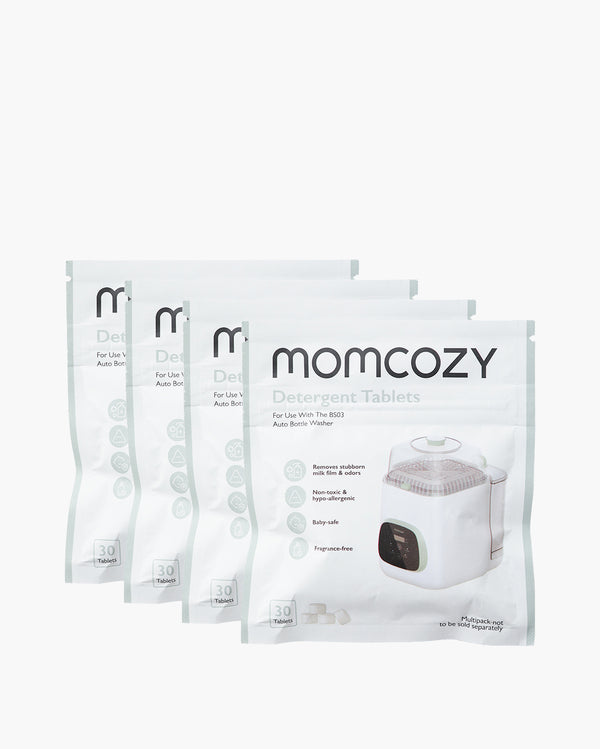
Whether you serve milk cold or warm, maintaining impeccable hygiene is non-negotiable. The Momcozy DeepClean Baby Bottle Washer (D8) takes the stress out of cleanup by automating the entire process. With its massive capacity to wash, sterilize, and dry up to 8 bottles and complex pump parts in one go, it effectively reclaims your time so you can focus on bonding rather than scrubbing. Powered by a high-pressure HydroJet system, it eliminates 99.99% of bacteria, ensuring every bottle is medical-grade clean and ready for the next feeding, regardless of the milk's temperature.


Cons of Giving Your Baby Cold Breastmilk or Formula
Knowing the possible negative effects of cold milk feeding enables parents to decide on the feeding schedule of their child with knowledge. Here are a few significant factors to give thought to:
Digestive Adjustment Period
When first fed cold breast milk or formula, some babies may have brief stomach trouble. As their digestive system adjusts to the temperature variance, minor stomach sensitivity can result. Usually lasting several days to a week, this adjustment phase allows parents to observe minor changes in the feeding habits or behavior of their infant.
Feeding Resistance
Because it closely approximates the natural warmth of breast milk straight from the breast, some infants especially enjoy warm milk. Turning away from the bottle, consuming fewer amounts, or feeding less effectively could all be ways they object to cold milk. Newborns or babies that routinely alternate between nursing and bottle feeding will especially show this inclination.
Fat Separation Concerns
Cold breast milk often shows more noticeable fat separation, with the cream rising to the top. While this separation is natural and doesn't affect nutritional value, it requires thorough gentle mixing before feeding. Improper mixing might result in uneven fat distribution throughout the feeding session, potentially affecting the caloric intake of your baby.
Extended Feeding Times
Some babies may take longer to finish cold bottles compared to warmed ones. This extended feeding time could lead to increased air intake during feeding, potentially causing more gas or fussiness. It might also make it challenging to maintain a consistent feeding schedule, especially for working parents with limited time.
Temperature-Related Comfort
During cold weather or when your baby is feeling under the weather, cold milk might be less comforting compared to warm milk. The warmth of heated milk can provide additional soothing benefits, particularly during nighttime feedings or when your baby needs extra comfort.
If your baby shows a strong preference for warm milk or needs that extra comfort during midnight sessions, the Momcozy Night Pro Baby Bottle Warmer - Night Feeding is a game-changer for your nursery. Specifically engineered for late-night ease, it features a gentle, adjustable nightlight and the industry's first transparent water chamber, allowing you to prep the perfect bottle without fumbling in the dark. Its precision heating technology warms milk in as little as 3 minutes while preserving 100% of the essential nutrients, ensuring your little one gets the warmth they crave with the quality they deserve.
When Not to Give Your Baby Cold Breast Milk or Formula
There are particular times when warming formula or breast milk might be more suitable for your baby's comfort and well-being:
Medical Conditions
Healthcare professionals may advise warming milk to body temperature for premature babies or people with impaired immune systems. Instead of wasting their energy to warm the milk inside, this helps save it for development and growth. Always follow the particular advice of your pediatrician for the particular requirements of your child.
Digestive Sensitivities
Think about warming your baby's feeds if they exhibit consistent digestive distress with cold milk, including changes in stool patterns, severe gas, or spitting up. Some newborns with delicate stomachs get great comfort from warm milk.
Recovery Periods
During illness or recovery from medical procedures, warm milk might be more soothing and easier for your baby to accept. This is particularly important when maintaining adequate nutrition during challenging times.
Cold Weather Feeding
Warming milk can assist your baby's body temperature to remain constant during feeding sessions in really chilly surroundings. This becomes particularly critical in air-conditioned environments or during the winter.
FAQs About Feeding Newborns Cold Breast Milk
Does cold breast milk upset baby's stomach?
Usually not. Although some newborns may require an adjustment period, cold breast milk by itself does not cause stomach upset. Consider it like trying a new food; some infants may need a day or two to adjust to the temperature shift while others won't notice anything at all. If your infant seems uncomfortable, consider progressively switching over several days from warm to cool milk. See how your child responds and modify your approach.
Can babies drink breast milk straight from the fridge?
Yes, they absolutely can! Just like adults enjoy cold drinks straight from the fridge, many babies are perfectly fine with refrigerated breast milk. The key is making sure the milk has been properly stored at the right temperature (around 40°F/4°C) and hasn't been sitting out. Before feeding, gently swirl the bottle to mix any separated fat—just avoid shaking vigorously, as this can break down some of milk's beneficial components.
Is cold milk harder for a baby to digest?
No, research shows that the temperature of breast milk doesn't significantly affect digestion although this is a common concern. Your baby's body handles milk at different temperatures very impressively efficiently. Once it gets to your baby's stomach, the milk will rapidly warm to body temperature. Whether the milk starts cold or warm, the digestive process proceeds the same. If anything, some newborns may simply take a little more time to finish a cold bottle, which can help with appropriate digestion and help prevent overfeeding.
Although cold milk is quite safe, the most crucial thing is to pay attention to your baby's signals. It's quite okay to warm your little one's cold milk if she seems uncomfortable or often rejects it. Every baby has preferences; that's quite normal!
Does cold milk cause constipation in babies?
No. Breast milk very rarely causes constipation at any temperature, because it's easily digested and naturally keeps stools soft. Cold milk doesn't change that. If your newborn seems constipated, it's worth discussing with your doctor, but the temperature of the milk isn't the cause.
Why does my baby refuse cold breast milk?
Some babies simply prefer milk closer to body temperature, the way it comes from the breast, and may fuss or refuse a cold bottle. This is about taste preference, not health. If your baby turns away cold milk, try serving it at room temperature or gently warmed until you find the temperature they like.
What are the benefits of feeding cold breast milk?
Cold feeding is convenient — no warming needed, which helps during night feeds and travel — and it preserves nutrients without the risk of overheating. Skipping warming also removes the chance of hot spots that can scald. Chilled milk may even soothe sore gums a little when your baby is teething.
Should I warm breast milk for a newborn instead?
Warming is optional, not required — many babies happily take cold or room-temperature milk. If your baby prefers it warm, stand the bottle in warm water or use a bottle warmer, and never use the microwave, which creates hot spots that can burn your baby's mouth. Always test a few drops on your wrist first.
Should I wake my baby to feed?
In the newborn weeks, yes. Wake your baby to feed every 2–3 hours during the day and at least every 3–4 hours overnight until they're back to birth weight and gaining steadily, usually around 2 weeks. Frequent feeds protect their blood sugar and your milk supply. Once thriving, a healthy baby can sleep longer stretches.
Why won't my baby wake up for feeds?
Newborns are naturally sleepy and can sink into deep sleep that's hard to interrupt, especially in the first days, after birth, or during growth spurts. Jaundice, prematurity, or a difficult delivery can make babies extra drowsy too. Occasional deep sleep is normal, but a baby who is consistently too sleepy to feed needs checking.
How do I wake a sleepy baby to feed?
Start gently: unswaddle and undress your baby to cool them slightly, change the diaper, and hold them skin-to-skin or upright. Stroke their cheek, hands, and feet, talk to them, and dim harsh light rather than going fully dark. Offering the breast or a few drops of milk on the lips often triggers rooting and waking.
How do I keep a sleepy baby awake during a feed?
Once feeding, keep them active by using breast compressions to keep milk flowing, switching sides when sucking slows, and burping between sides. Tickling the feet, rubbing the back, or stroking under the chin helps too. A semi-upright position and a slightly cool room also make it easier for your baby to stay awake and feed.
Is it ever okay not to wake my baby to feed?
Yes — once your baby is past the newborn stage, has regained birth weight, and is gaining well, you can usually let them sleep and feed on waking. At that point longer night stretches are a healthy sign. Until your doctor confirms good weight gain, though, it's safest to keep waking for regular feeds.
How often and how long should a newborn feed?
Newborns need about 8 to 12 feeds in 24 hours, roughly every 2–3 hours, with each feed lasting around 20–40 minutes depending on the baby. Feed on demand whenever they show hunger cues, and wake them if they go too long. Frequent feeding in the early weeks builds your supply and supports steady weight gain.
How long can a newborn safely go without feeding?
A newborn's stomach is tiny, so in the first few weeks they shouldn't go more than about 4–5 hours between feeds, even overnight. One slightly longer gap is fine if your baby is healthy and growing, but several long gaps in a row can leave them underfed. Set a soft alarm so a deep sleeper doesn't miss a meal.
When does a baby not waking for feeds need a doctor?
The biggest concern is jaundice, which makes newborns extra sleepy and harder to wake just when they most need to feed — yellowing skin or eyes alongside poor feeding warrants a same-day call. Repeatedly missed feeds also risk dehydration, so watch for fewer than six wet diapers a day. If your baby can't be roused at all, treat it as an emergency and see the warning signs in our lethargic-baby guide.
Make the Right Choice for Your Baby
The most crucial consideration is following your baby's cues and preferences regarding whether you decide to offer cold or warm breast milk. Particularly for working parents, cold breast milk is very safe and has various pragmatic advantages. Some circumstances, nevertheless, can call for heating the milk; that's also quite acceptable. If you have particular questions, follow correct storage rules, watch how your kid responds, and see your doctor. Trust your gut; you know your baby best.








