Developing a feeding routine for a 7-8-month-old baby supports important growth milestones. At this age, babies are moving beyond milk or formula alone and starting to explore solid foods more regularly. Setting a flexible daily routine—with about 3 to 5 milk feeds and 2 to 3 solid meals—helps your baby accept new textures and flavors while still getting the nutrients needed for healthy development. This guide covers how often to feed, how much to offer, what foods to include, and a sample schedule you can adapt to your baby’s hunger cues.
How Often and How Much Should a 7 to 8 Month Old Eat
Seven to eight months old infants still rely on breast milk or formula as their main source of nutrition. Most babies need about 3 to 5 milk feeds per day, totaling around 24 to 32 ounces. Solid foods are introduced gradually during this stage, usually about 2 to 3 times per day. Here’s a breakdown of what to expect:
Breast Milk or Formula:
During this period, feed your child breast milk or formula about three to five times daily, with a total intake of around 24 to 32 ounces. Solid foods are becoming more important, but milk should still supply most of your baby’s daily nutrition.
Solid Foods:
In their first feeding phases, babies often start with one or two solid meals daily and move toward two to three solid meals as they become more comfortable. Begin with small portions of about 1 to 2 tablespoons, then increase to 2 to 3 tablespoons of pureed or mashed foods (such as mashed beans, soft meats, eggs, vegetables, or grains). Introduce portions that are small at first, then expand them as your child learns to eat solid foods.
Finger Foods:
Soft parts of avocado and banana and steamed broccoli florets should become your baby's first finger foods. Self-feeding practice while developing motor skills becomes possible through these food choices.
Watch for Cues:
Observe your little one’s hunger and satiation signals at all times. You must recognize your baby's hunger and fullness behaviours because these indicators show the right amount of food and frequency to feed your baby.
Present your baby with new meal variations step-by-step to help them experience different flavors while they discover what they truly enjoy eating. Your balanced nutrition approach will stimulate your child's growth while ensuring they fulfil their nutrient requirements at this essential phase of development.
How much to feed a 7 - 8 month old: Food chart
At 7 to 8 months, solid foods are still new for many babies. Start small and increase portions gradually as your baby becomes more comfortable with eating. Here is a general guide:
Breast Milk or Formula:
- Total: about 24 to 32 ounces per day
- Frequency: about 3 to 5 feeds per day
- Per feed: about 6 to 8 ounces (breastfed babies may nurse more often)
Solid Foods:
- Frequency: about 2 to 3 solid meals per day
- Portion size: start with 1 to 2 tablespoons per meal, then increase to 2 to 4 tablespoons as your baby shows interest
- Texture: smooth purees, mashed foods, and soft finger foods
7 - 8 month feeding chart example for purees
Time of day | Feeding
Wake-up | Breast milk or formula
Breakfast | Oatmeal with mashed banana or pureed fruit
Mid-morning | Breast milk or formula
Lunch | Breast milk or formula
Mid-afternoon | Breast milk or formula
Dinner | Pureed vegetables, mashed beans, or soft chicken puree
Before bed | Breast milk or formula
7 - 8 month feeding chart example for baby-led weaning
Time of day | Feeding
Wake-up | Breast milk or formula
Breakfast | Oatmeal with a small amount of peanut butter, smashed raspberries
Mid-morning | Breast milk or formula
Lunch | Breast milk or formula
Mid-afternoon | Breast milk or formula
Dinner | Soft avocado strips, steamed apple slices, and soft protein strips
Before bed | Breast milk or formula
Remember, appetite can change from day to day. Some days your baby may eat more solids, and other days they may prefer more milk. This is normal at this stage.
7 to 8 Month Old Baby Sample Feeding Schedule
Here’s a sample feeding schedule for a 7-8-month-old baby, keeping in mind that each baby’s needs and hunger cues may vary. This schedule provides a balance of breast milk or formula, along with solid meals to support growth and development.

|
Time
|
Activity
|
|
7:00 AM
|
Breast Milk or Formula
6-8 ounces of breast milk or formula
|
|
9:30 AM
|
Solid Breakfast
2-3 tablespoons of pureed fruit (e.g., apples, pears) or oatmeal, along with a small amount of water (about 2-3 ounces).
|
|
12:00 PM
|
Breast Milk or Formula
6-8 ounces of breast milk or formula.
|
|
2:00 PM
|
Solid Lunch
2-3 tablespoons of pureed vegetables (e.g., carrots, sweet potatoes) or protein (e.g., mashed beans, chicken), along with a small amount of water.
|
|
4:30 PM
|
Breast Milk or Formula
6-8 ounces of breast milk or formula.
|
|
6:30 PM
|
Solid Dinner
2-3 tablespoons of a solid food like mashed avocado, banana slices, or steamed broccoli florets. You can also offer soft finger foods if your baby is ready for them.
|
|
8:00 PM
|
Breast Milk or Formula (Before Bed)
6-8 ounces of breast milk or formula.
|
This schedule provides a balance of breast milk or formula, along with solid meals to support growth and development. Adjust times based on your baby’s naps, hunger cues, and daily routine.
Night feedings at 7 - 8 month olds
At 7 to 8 months, many babies can sleep for longer stretches at night, especially if they are eating well during the day. However, some babies still benefit from a night feed, such as a dream feed or an early morning feed around 3:00 to 5:00 AM.
This is usually normal. Night feeds may continue if your baby is going through a growth spurt, is teething, or simply needs extra comfort. There is no need to wake your baby to feed at this age unless your pediatrician has advised otherwise.
Focus on building a flexible daytime feeding routine first. Over time, many babies naturally reduce night feeds as they eat more solids during the day.
What Should a 7-8 Month Old Be Eating
Babies between 7-8 months old begin trying different solid foods yet continue getting most of their nourishment from breast milk or formula. Here's a breakdown of what a 7-8 month old should be eating:
- Breast Milk or Formula (Primary Nutrition Source)
Frequency: Your child needs breast milk or formula three to four times per day at this stage while getting a total amount of 24 to 32 ounces.
Purpose: Complex fats, together with protein and vitamins, exist in breast milk or formula to support both development and growth needs.
- Solid Foods
Babies in this phase can try eating many kinds of solid foods that range from smooth to various textured items. Here’s what you can offer:
Fruits (Pureed or Mashed)
- Apple, pear, banana, peach, or avocado.
- Serve pureed, mashed, or soft finger foods like banana slices or avocado chunks.
Vegetables (Pureed or Mashed)
- Sweet potato, carrots, peas, squash, pumpkin, or spinach.
- Start with smooth purees and gradually introduce chunkier textures as your baby gets comfortable with eating solids.
Grains
- Oatmeal, rice cereal, or whole grain cereals.
- You can mix them with breast milk, formula, or water to thin them out.
Proteins
- Mashed beans, lentils, peas, or small pieces of cooked meat (like chicken, turkey, or beef).
- Offer smooth purees or finely mashed, tender meats.
Finger Foods (When Ready)
- Soft, easily mashed foods like small pieces of cooked vegetables, ripe fruits (e.g., banana slices), and soft scrambled eggs.
- Small pieces of toast, soft cheese, or crackers can be introduced once your baby shows interest in self-feeding.
- Textures and Variety
Start with smooth purees, but as your baby becomes more comfortable with eating solids, begin introducing thicker purees or mashed foods, and eventually small pieces of soft, finger-friendly foods. Experiment with different flavors and textures to help your baby develop a variety of tastes.
- Water
Start offering small amounts of water (2-3 ounces per day) in a sippy cup during or after meals. It helps your baby stay hydrated as they begin eating solids.
Should I still give my baby breast milk or first infant formula?
Yes. Breast milk or first infant formula is still important for energy and nutrients during the first year and should remain your baby’s main drink until around 12 months. As your baby eats more solids, they may naturally want less milk. Breastfed babies usually adapt their feeds based on how much food they are having. Formula-fed babies often take around 24 to 32 ounces a day, but treat this as a guide rather than a strict rule.
The recommended daily milk intake for a 7-8 month-old baby is 24 to 32 ounces distributed across 3 to 5 feedtimes, with each serving amounting to 6 to 8 ounces. At this stage of development, milk functions as the principal nutritional source even though solid food is being incrementally introduced since it contains essential fats, proteins, and vitamins which support growth and development.
Breastfed infants feed several times a day with an average of 3 to 4 nursing sessions, although individual feeding patterns might vary. To ensure these sessions remain comfortable, a reliable nursing pillow can be very helpful.
Infants on formula should consume 24 to 32 ounces of formula through three to four feedings while using 6 to 8 ounces per bottle amount based on specific requirements.
Your baby's growth relies on milk to provide essential nutrients even though they are exploring solid foods. Eventually, your baby will consume less milk, but it remains their dietary foundation for now. Every baby develops differently; thus, their feeding needs change every day. Therefore, you must remain flexible and look for signs of hunger to make adjustments.
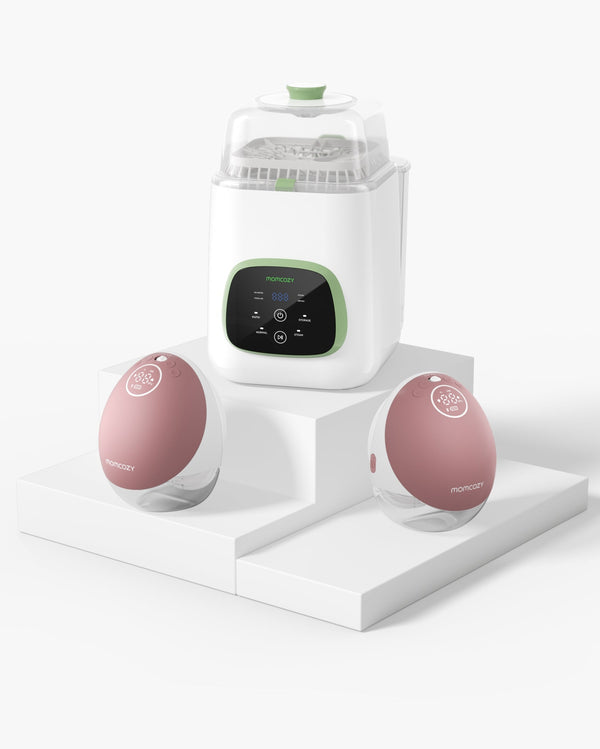
For breastfeeding moms, having a reliable and easy-to-clean breast pump can make maintaining your milk supply much easier. The Momcozy M9 Mobile Flow Hands-Free Breast Pump is a convenient option for moms who need mobility and comfort during pumping.
High Efficiency
Expert-Tuned Rhythms
APP Control
Long Battery
Should You Introduce Solid Foods to Your 7 to 8 Month Old Baby?
Yes, introducing solid foods to your 7-8-month-old is not only appropriate but also an important milestone in their growth and development. The majority of babies become prepared for eating various textures and flavors, which leads to essential abilities for self-feeding during this time. According to the American Academy of Pediatrics, infants should begin solid food consumption around six months; however, they should move to diverse nutrients from breast milk or formula during the 7 to 8-month timeframe.
Monitoring your baby's readiness for solids involves checking for two key signs: backbone support and targeted movement during mealtime. Delayed introduction of solid foods will affect their nutrient consumption and may cause them to lose weight.
- Developmental and Nutritional Benefits
The nutritional demands of infants exceed milk supply during the period between 7-8 months of age. Iron-rich pureed meats combined with beans and cereals provide necessary nutrients, including iron and zinc, for your baby's development. The period enhances the learning of both swallowing and chewing activities by the baby. When you start introducing solids you promote your baby's ability to refine their motor skills and hand-eye coordination because these skills will matter for future self-feeding abilities.
Launch your baby’s food journey with food items such as baby cereal or pureed vegetables and fruits. When your baby becomes more comfortable with solid meals, you can progress to thicker foods while adding both ground and minced protein types. Try offering your baby tender finger foods such as mashed avocado or pureed bananas and steamed vegetables during this period to support self-feeding development.
Start with two small solid meals each day while keeping the portion sizes small (about 2-3 tablespoons). You can start feeding more frequently because your baby learns to adapt to this meal pattern. During your baby's solid food training period, you must give breast milk or formula to make sure they consume their daily recommended calories and nutrients, which should be between 24-34 ounces each day.
Other Considerations
- Avoid honey until after 12 months due to the risk of botulism.
- It may take several tries before your baby adjusts to new textures and flavors, so be patient and persistent.
- Always offer breast milk or formula first to ensure they are meeting their nutritional needs.
Tools and Tips for Feeding Your 7 to 8 Month Old Baby
Feeding your 7 to 8-month-old baby is an exciting milestone as they start exploring solid foods while still relying on breast milk or formula. Here are some tools and tips to help make mealtime easier, healthier, and more enjoyable for both you and your baby:
Bottle Washer
Cleaning and disinfecting bottles alongside pump parts and baby tableware has become vital as your infant uses them. The Momcozy Kleanpal Bottle Washer performs an independent sterilization cycle for all your baby feeding and tableware items while saving you precious hours in your day. This automatic device operates safely by itself to sanitize every item with complete safety for your baby's health. It functions best for parents with hectic schedules.
Bottle Washer
Sterilizer & Dryer
Washes More Than Just Bottles
Baby Food Maker
Making your baby food is a great way to ensure your little one is getting the freshest, most nutritious purees. The Momcozy Baby Food Maker utilizes six thickened stainless steel blades combined with a powerful 300W motor to quickly achieve perfect blending results. This device perfectly creates velvety and nutritious purees so your baby will really enjoy them. It lets you prepare all types of foods, including fruits, vegetables, and meats, with amazing speed.
Baby Food Storage Containers
After preparing homemade purees you need storage containers that provide food preservation. Choose stackable BPA-free containers designed for freezer storage and microwave use.
Silicone Bibs & Baby Feeding Spoons
High-quality silicone bibs, along with baby feeding spoons, will simplify feeding your baby. Using these silicone bibs for cleanup requires minimal effort, and both sets provide gentle benefits through feeding age progression.
High Chair with Adjustable Tray
A sturdy, adjustable baby high chair with an easy-to-clean tray can make feeding time much more convenient and comfortable for your little one.
Tips for Feeding Your 7 to 8-Month-Old:
Start with Single-Ingredient Purees:
At 7 to 8 months, your baby is ready to start experimenting with solid foods. Introduce simple, single-ingredient purees such as mashed sweet potatoes, applesauce, or avocado. Wait 3-5 days between new foods to watch for any signs of allergies.
Gradually Introduce Textures:
As your baby gets used to smooth purees, you can start introducing mashed or slightly chunky textures to help them develop chewing skills.
Breast Milk or Formula Still Matters:
Continue breastfeeding or formula feeding alongside solids until your baby is 9-12 months old. These provide essential nutrients that solid foods cannot yet fully replace.
Offer a Variety of Flavors:
Present a wide selection of fruits, vegetables, and whole grains so your baby will explore new tastes. When a child tries different textures and flavors at once, their chances increase for enjoying diverse food choices.
Create a Relaxed Feeding Environment:
Turn mealtimes into peaceful moments without pressure so your baby can enjoy nourishing their body while exploring new food types. Permit your baby to handle their food no matter how much of a mess they create during the process. Mealtimes function as an essential method for children to improve their motor skills while learning to enjoy new eating experiences.
Conclusion
At age 7 to 8 months your baby requires a feeding plan which combines breast milk or formula with nutritious solids. Tools like the Momcozy Kleanpal Bottle Washer and Momcozy Baby Food Maker make mealtime easier, saving you time. Provide new textures and flavour varieties combined with finger foods to help your baby develop through this stage. Follow flexible feeding practices while monitoring your child's hunger signals and make the most of this essential growth stage.