


Growing a human is a feat of strength, but the sharp, nagging ache in your lower back can make every step feel like a challenge. That localized discomfort, known as pregnancy sij pain, often catches moms-to-be off guard during the second or third trimester. While your body is busy preparing for birth, your joints are shifting in ways that can cause significant irritation. Identifying why this happens and how to manage the pressure is the first step toward reclaiming your mobility and enjoying your pregnancy journey.
What Is SI Joint Pain?
The sacroiliac joint (SIJ) connects your spine to your pelvis and serves as a vital shock absorber for your entire body. When someone experiences sacroiliac joint pain pregnancy, it usually means these joints have become either too mobile or are being unevenly pressured.
The Anatomy of the Pelvis
The SIJ is the bridge between the sacrum, which is the triangular bone at the base of your spine, and the ilium, or your hip bones. In a typical body, these joints are held tightly by strong ligaments and move very little. During pregnancy, however, these ligaments soften, allowing the joints to shift and potentially cause inflammation.
What Does SI Joint Pain Feel Like?
Most women describe the sensation as a deep, internal ache localized in the buttocks or lower back dimples. It can range from a persistent dull throb to a sudden, sharp "catching" sensation that occurs when you shift your weight or take a step. You might also feel a localized pinch that makes one hip feel slightly out of alignment.
Causes of SI Joint Pain in Pregnancy
The primary driver behind pregnancy sacroiliac pain is a hormone called relaxin. This hormone is essential because it softens the ligaments in the pelvis to allow the baby to pass through the birth canal during delivery. However, relaxin does not just target specific spots; it affects the whole body, making the usually stiff SI joints much looser than normal. This extra "give" can lead to misalignment and inflammation.
Weight gain and postural shifts also play a major role. As your belly grows, your center of gravity moves forward. To keep from falling, most pregnant women lean back slightly, which increases the arch in the lower spine. This change puts extra stress on the back of the pelvis. Furthermore, the abdominal muscles stretch and weaken as the baby grows, leaving the pelvic joints with less muscular support than they had before pregnancy.
Symptoms of SI Joint Pain in Pregnancy
It is easy to mistake this discomfort for general backache, but there are specific signs that you are dealing with si joint pain while pregnant. Most women notice the pain is one-sided, though it can occur on both sides of the lower back. The sensation often feels like it is deep within the buttock, and it may even travel down the back of the thigh, though it rarely goes past the knee.
Daily Movement Triggers
Simple daily tasks can become surprisingly difficult when the SI joints are inflamed. You might notice an increase in pain during the following activities:
- Climbing stairs or stepping up onto a curb.
- Getting in and out of a car or a low chair.
- Rolling over in bed at night.
- Standing on one leg to put on pants or shoes.
Distinguishing the Location
The pain is typically localized to the "PSIS," which are the bony bumps just above your buttocks. Unlike muscular soreness that might feel like a broad tightness, SI joint issues feel more like a structural pinch or a grinding sensation. Recognizing these triggers early can help you modify your movements before the inflammation becomes severe.

Physical Therapy for SI Joint Pain in Pregnancy
Physical therapy is one of the most effective ways to stabilize the pelvis and reduce irritation. A therapist focuses on strengthening the "deep core," which includes the pelvic floor and the transverse abdominis. These muscles act like a natural corset, holding the SI joints in place even when the ligaments are loose.
Gentle movement is often better than complete rest. Using tools like the Momcozy BirthEase Maternity Exercise Ball Set can be incredibly helpful for active recovery. This ergonomic ball allows you to perform pelvic tilts and gentle rotations that take the weight of the baby off your spine while building the stability you need. Because it features an anti-slip surface and a reinforced base, it provides a secure way to stay mobile even when your balance feels a bit off.
The following table highlights some common exercises used to manage pelvic discomfort.
| Exercise Name | Primary Benefit | Recommended Frequency |
| Pelvic Tilts | Relieves pressure on the lower spine | 10 reps, 3 times daily |
| Bird-Dog | Strengthens the core and back | 5 reps per side |
| Glute Bridges | Stabilizes the pelvic floor | 10 reps, 2 times daily |
Incorporating these movements into a daily routine can help maintain joint alignment throughout the day. Using an exercise ball also encourages an "active" sitting posture, which prevents the pelvis from slumping into positions that aggravate the joints.
Other Treatments for SI Joint Pain
While exercise builds long-term stability, sometimes you need immediate relief for sacrum pain during pregnancy. Small lifestyle adjustments and external supports can make a massive difference in your daily comfort levels.
Support Belts and Braces
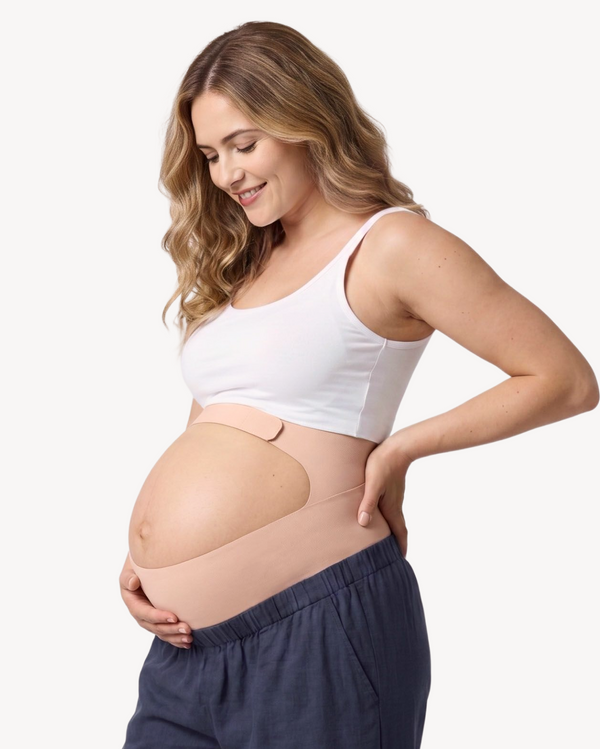
A pelvic support belt, often called an SI belt, is a firm strap worn low around the hips. It mimics the function of the ligaments by "pinning" the SI joints together. This external compression can reduce the micro-movements that cause sharp pain when you are walking or standing for long periods. It is best to wear these during activity rather than while resting.


Temperature Therapy and Positioning
Using heat or ice can help manage the inflammation surrounding the joint. A heating pad on the lower back can relax tight muscles that are overcompensating for the loose joint. Additionally, pay attention to how you sleep. Placing a firm pillow between your knees and ankles keeps the hips level, which prevents the top leg from pulling the pelvis out of alignment overnight.
When to See a Doctor
While most pelvic discomfort is a normal part of the body's preparation for birth, some symptoms require professional medical attention. It is important to distinguish between "expected" pregnancy aches and signs of nerve compression or severe instability.
Contact your healthcare provider if you experience:
- Sudden Weakness: Feeling like your legs are "giving way" or being unable to support your own weight while walking.
- Localized Numbness: Any loss of sensation in the "saddle area" (the groin, buttocks, or inner thighs).
- Severe Pain: Discomfort that is so intense it prevents you from performing basic daily tasks or sleeping.
- Neurological Signs: Tingling, "pins and needles," or sharp shooting pains that travel all the way down to your feet or toes.
- Bladder or Bowel Changes: A sudden loss of control or difficulty going to the bathroom, which could indicate a rare but serious nerve issue.
- Fever or Redness: Warmth or redness over the SI joint area, which might suggest an infection rather than standard mechanical pain.
Your doctor can provide a formal diagnosis and ensure your birth plan accounts for your physical limitations. They may also refer you to a specialized pelvic floor physical therapist who can provide manual adjustments or personalized strengthening plans tailored to your specific trimester.
FAQs
Q1. When Does Sacroiliac Pain Start In Pregnancy?
Most women begin to notice sacroiliac joint pain pregnancy symptoms during the late second or early third trimester as the baby’s weight increases. However, because the hormone relaxin increases early in pregnancy, some may feel joint instability as early as the first trimester. The intensity often peaks as the center of gravity shifts further forward in the final weeks.
Q2. Does SI Joint Pain Go Away After Pregnancy?
In most cases, the pain subsides within a few months of delivery as hormone levels return to normal and ligaments tighten. Strengthening your core and pelvic floor during the postpartum period can speed up this recovery process. If the pain persists beyond six months, seeing a physical therapist is recommended to address any lingering misalignments.
Q3. Is Walking Bad For SI Joint Pain In Pregnancy?
Walking is beneficial for circulation, but long, rapid strides can aggravate sacroiliac joint pain pregnancy by putting uneven pressure on the pelvis. To stay active, take shorter steps and wear supportive footwear to minimize the strain on the joints. If walking becomes too painful, consider low-impact alternatives like using a maternity exercise ball for seated movements.
Q4. Is SI Joint Pain The Same As Sciatica During Pregnancy?
While both involve the lower back, sacrum pain during pregnancy is typically localized to the joint itself rather than a nerve. Sciatica causes shooting pain that travels down the leg, whereas pregnancy sacroiliac pain usually stays concentrated in the hips and buttocks. A professional diagnosis can help determine which issue is causing your specific discomfort.
Q5. How To Sleep With SI Joint Pain During Pregnancy?
The best position is sleeping on your side with a firm pillow tucked between your knees and ankles to keep your hips parallel. Avoid letting your top leg slide forward onto the mattress, as this twists the sacroiliac joint and increases overnight inflammation. Keeping a small rolled-up towel under your waist can also provide extra support for the spine's natural curve.
Prioritize Your Comfort and Mobility
You do not have to endure constant discomfort as you wait for your little one to arrive. By practicing targeted exercises and using supportive tools like the Momcozy BirthEase Maternity Exercise Ball Set, you can stabilize your pelvis and reduce the strain on your joints. Take a proactive approach to your physical health by listening to your body and adjusting your routine to support your changing needs. Explore our collection of maternity essentials to find the perfect support for your pregnancy journey.








