


If you're heading back to the office and wondering how you'll manage pumping at work, take a deep breath. Yes, it requires some planning and adjustment, but it's far from impossible. Once you understand your legal protections, set up a pumping schedule that works, and learn some practical tips, you'll feel confident balancing your breastfeeding goals with your career.
This guide also walks through a pumping at work checklist you can pack before your first day back, plus milk storage at work guidelines so you know what to do with milk between sessions. If you want a fuller hour-by-hour calendar, see our pump schedule for working moms. If you're still in that first week back, our returning-to-work notes can help.
Key Takeaways
- Federal law generally protects your right to reasonable break time and a private, non-bathroom space to pump for up to one year after birth.
- Most working moms pump 2–3 times during an 8-hour day, spacing sessions about 3–4 hours apart.
- Start getting ready 1–2 weeks before you return: practice at work times, pack a cooler, and talk with HR about the room.
- At work, store milk in a refrigerator (up to 4 days) or an insulated cooler with ice packs, then take it home the same day.
- Wash pump parts with soap and water when a sink is available. Refrigerating parts between sessions is a backup, not a proven substitute for washing.
Pumping at Work: What Is Your Right?
Federal law protects your right to pump at work. The Fair Labor Standards Act (FLSA) requires employers to provide reasonable break time and a private, non-bathroom space for nursing mothers to express milk for up to one year after birth. The space must be shielded from view and free from intrusion.

These protections apply to most employees, though companies with fewer than 50 employees may claim exemption for significant hardship. Many states offer additional protections like paid pumping breaks or extended timeframes. Check your state's specific laws for full details.
The space also has to be usable. The Department of Labor expects a place to sit and a flat surface that is not the floor for your pump and bottles. The room should not be so far away that walking there uses up your break. If you telework while on the clock, you still get break time to pump. Many states offer additional protections like paid pumping breaks or longer timeframes. Check your state's specific laws for full details. Read the Department of Labor's pump-at-work page before you talk with HR so you can point to the rule itself.
If your employer refuses accommodation, file a complaint with the U.S. Department of Labor's Wage and Hour Division. Most issues can be resolved through conversations with HR, but knowing your rights helps you advocate confidently.
Where to Pump at Work?
Finding a comfortable and private place to pump can make your workday much easier. Your employer is required to provide you with a private space, but what that looks like varies from workplace to workplace. Here are the most common places where moms pump at work:
- Dedicated lactation rooms: Many larger companies have special rooms set up just for pumping, complete with comfortable chairs, outlets, and sometimes even a small fridge and sink.
- Your own office: If you have a private office with a door that locks, you can pump right at your desk without having to go anywhere else.
- Empty conference rooms: Small meeting rooms work great for pumping, especially if you can book the same time slot each day so it becomes part of your routine.
- Wellness or first aid rooms: Some workplaces have medical or wellness rooms that you can use for pumping when they're not being used for other purposes.
- Converted storage spaces: Employers sometimes turn unused closets or small rooms into pumping spaces by adding a chair, table, and better lighting.
- Shared mothers' rooms: These are spaces designated for all nursing moms in your building, though you might need to sign up for specific time slots.
- Your car: It's not the most comfortable option, but some moms pump in their vehicles when there's no other private space available, especially with a hands-free pump and car charger.
The most important things are privacy, access to an outlet for your pump, and knowing the space will be available whenever you need it during your workday.
How to Pump at Work: Your Step-by-Step Plan
Pumping at work becomes much easier once you have a clear plan in place. From what to bring on your first day back to establishing a routine that works with your schedule, here's everything you need to know to make pumping at work feel manageable.
Getting Ready Before Your First Day Back
Getting ready means gathering supplies, testing equipment, and communicating with your workplace.
- Start practice pumping 1-2 weeks before returning, ideally at the times you'll pump at work (mid-morning and early afternoon). Build a freezer stash of 15-20 bags (3-4 ounces each) for 3-5 days of backup.
- Gather an insulated cooler, ice packs, storage bags, your pump, and correctly-sized flanges in one tote. Buy backup valves, membranes, and flanges to keep at work.
- Meet with your supervisor 1-2 weeks early to arrange two 20-30 minute pump breaks daily. Contact HR about the pumping room location, access requirements, and reservation process.
- Visit the pumping room beforehand to check for outlets, a locking door, and furniture. Pack a cardigan or blanket for temperature comfort.
Setting Up Your Daily Pumping Schedule
Most working moms pump 2-3 times during an 8-hour workday, spacing sessions about 3-4 hours apart to match when their baby would typically feed.
- Morning Nursing Before You Leave: Breastfeed your baby 15-30 minutes before leaving your home. Sit down to nurse even if you're running late, as this maximizes the time before your first work pump session.
- First Pump Session Timing: Set your first pumping session for 3 hours after your morning nursing. If you nurse at 7 am and start work at 8 am, plan to pump around 10-10:30 am.
- Block Your Calendar: Block 30 minutes on your work calendar for each pump session. Label it as "unavailable" or "appointment" and mark it as recurring daily at the same times.
- Second Session Planning: Pump for your second session approximately 3-4 hours after the first. If you pumped at 10:30 am, schedule your next session between 1:30-2:30 pm.
- Third Session for Longer Days: Add a third pumping session around 4-4:30 pm if you work until 6 pm or later. Calculate this as 3 hours after your lunchtime pump or 2-3 hours before you'll get home to nurse.
- Set Digital Reminders: Download a pumping tracker app or set recurring phone alarms. Program alarms for 10 am, 2 pm, and 5 pm (or your chosen times) with labels like "Time to pump."
- Track Your Sessions: Keep a written log of your pump times for the first 2 weeks. Note the time you started and how many ounces you collected to identify your most productive times.
- Fine-Tune as Needed: Adjust your schedule forward or backward by 30-60 minutes if needed. Move your sessions earlier if you're getting uncomfortably full, or slightly later if your milk supply is keeping up fine.
- Evening Nursing at Home: Nurse your baby within 30 minutes of arriving home. Feed directly as soon as you walk in the door to relieve any fullness and reconnect with your baby. To make this transition from a long workday easier on your tired back and shoulders, propping your baby up on a supportive nursing pillow.
If you want a more detailed clock grid for 8-hour or 10-hour shifts, use our working-mom pumping schedule.

Keeping Your Pump Parts Clean Throughout the Day
Cleaning your pump parts at work involves quick rinsing between sessions and storing parts properly until you can do a thorough wash at home.
- Immediate Rinse After Pumping: After pumping, disassemble all parts that touched milk—flanges, valves, membranes, and bottles. Rinse each piece under cold water for 10-15 seconds to remove milk residue.
- Quick Wash and Refrigerate: Wash parts with warm soapy water using your fingers or a dedicated brush, then rinse thoroughly. Shake off excess water, place parts in a clean zip-top bag, and store in the office refrigerator until your next session.
- No Sink? Use Wipes: If there's no sink in your pumping room, use medically-approved pump wipes on all surfaces that touched milk, then refrigerate parts in the sealed bag.
- End-of-Day Deep Clean: At day's end, bring all used parts home in your cooler bag. Wash everything in hot soapy water with a bottle brush within 2 hours, scrubbing inside flanges, valve edges, and bottle threads. Air dry on a clean rack overnight.
- Regular Sanitizing and Backup Parts: Sanitize parts by boiling for 5 minutes or using a microwave steam bag once every 2-3 days. Keep a backup set of parts in a labeled container at your desk for emergencies.
How to Clean Breast Pump at Work
You don't need to do a full deep clean between every pumping session during your workday. Here are the simple steps to keep your pump parts clean and safe throughout the day:
- Rinse all parts with cold water immediately after pumping: Cold water prevents milk proteins from sticking to the plastic and silicone surfaces.
- Use warm soapy water for a quick wash if a sink is available: A 30-second scrub with dish soap removes any remaining milk residue effectively.
-
If you cannot wash thoroughly, rinse and refrigerate parts in a sealed bag for a few hours. Cold storage can slow bacteria growth. It does not stop it, and it has not been shown to be as safe as washing between uses. If your baby is younger than 2 months, was born prematurely, or has a weaker immune system, wash parts after every use. See CDC's breast pump hygiene page.
- Bring pump cleaning wipes as a backup option: Use these if you don't have access to a sink in your pumping space.
- Save the thorough cleaning for home at the end of your workday: Wash all parts with hot soapy water and a bottle brush, then let them air dry overnight.
- Sanitize your pump parts every 2-3 days by boiling them for 5 minutes: This deep cleaning step kills any lingering bacteria and keeps everything hygienic.
If the sink at home is the hardest part of the routine, whether a bottle washer is worth it is a home question, not something you need in the pumping room.
Member price
From$219.99Code Save 20%

How to Get More Milk When Pumping at Work
Getting enough milk while pumping at work can feel challenging, especially since pumps aren't as efficient as nursing your baby directly. The strategies below can help you increase your milk output and maintain your supply throughout your workday.
1. Stay Hydrated Throughout Your Workday
Keep a large water bottle at your desk and drink at least 8-10 glasses of water daily. Drink a full glass right before or during each pumping session. If you feel thirsty, you're already dehydrated, which can affect your milk production. Set phone reminders if you forget to drink water when busy.
2. Don't Skip Pumping Sessions
Pump at the same times every day, even during busy workdays. Skipping sessions tells your body to make less milk. If you must delay a session, don't push it back more than 30-60 minutes. Treat your pumping times like important meetings that can't be canceled.
3. Use Hands-On Pumping Techniques
While pumping, massage and gently squeeze your breast from the chest toward the nipple. This helps empty your milk ducts more completely and can increase your output by up to 30%. You can also hand express for a minute or two after pumping to get any remaining milk.
4. Look at Photos or Videos of Your Baby
Before pumping, look at pictures or videos of your baby on your phone. Some moms bring a piece of their baby's clothing. This helps trigger your letdown reflex by releasing oxytocin. The more you think about your baby, the easier your milk flows.
5. Make Sure Your Pump Settings Are Right
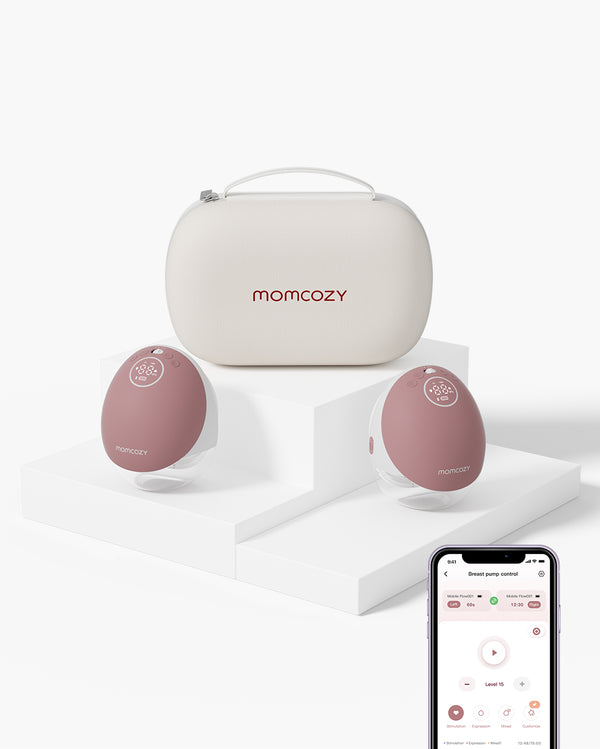
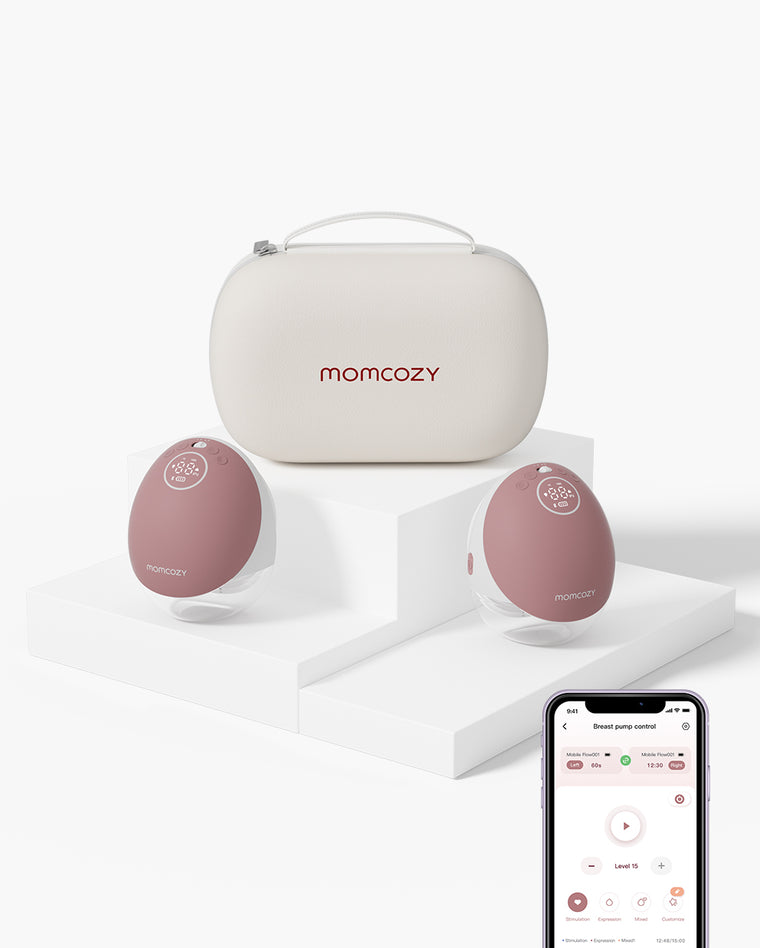
Start with fast cycles for 2-3 minutes to trigger letdown, then switch to slower, stronger suction. The suction should feel strong but never hurt. The Momcozy M9 Mobile Hands-Free Breast Pump has 15 suction levels and customizable modes through its app, so you can find settings that work best for your body.
Member price
From$219.99Code Save 20%
6. Check Your Flange Fit
Your nipple should move freely in the flange tunnel without rubbing the sides. If your areola gets pulled into the tunnel or pumping hurts, you need a different size. Most pumps include 24mm flanges, but many women need smaller sizes like 17mm, 19mm, or 21mm. The right fit can significantly increase how much milk you pump.
7. Pump More Frequently If Possible
Add one extra pumping session during your day if your supply is dropping. Try pumping once more at work or before bed at home. Morning pumping usually produces the most milk. The more often you empty your breasts, the more milk your body makes.
8. Eat Enough Calories and Nutritious Foods
Breastfeeding requires an extra 300-500 calories daily. Don't skip meals and pack snacks like nuts, cheese, yogurt, and fruit. Eat enough protein, healthy fats, and whole grains. Some moms notice oatmeal and leafy greens help their supply, though this varies by person.
9. Consider Power Pumping
Set aside one hour at home in the evening: pump for 20 minutes, rest for 10, pump for 10, rest for 10, pump for 10 more. Do this daily for 2-3 days. This mimics cluster feeding and signals your body to make more milk. Most moms see results within a few days.
10. Try a Hands-Free Pump for Better Output
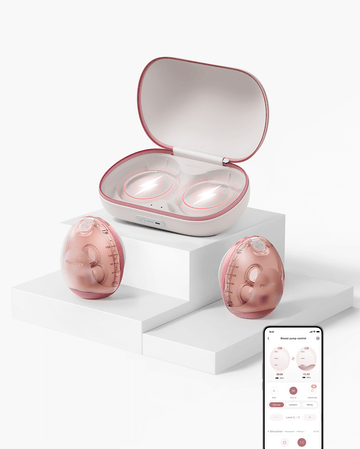
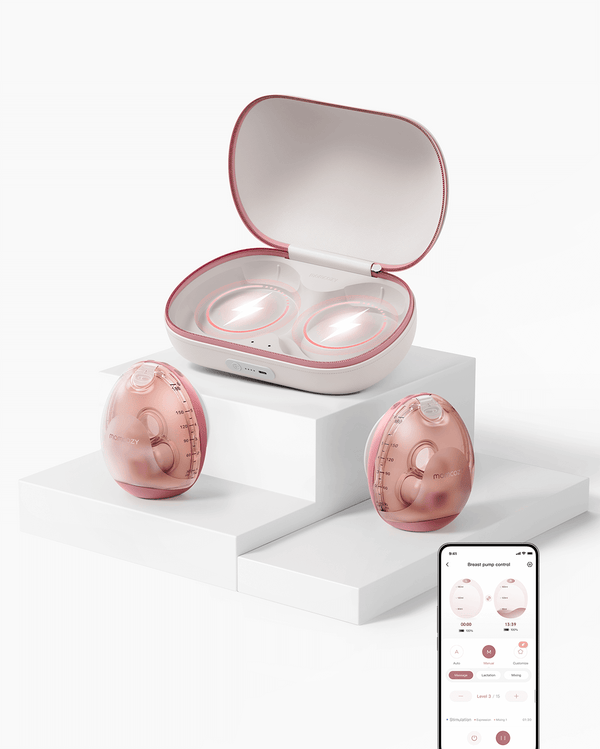
Hands-free pumps let you relax and use breast compression more easily. The Air 1 Ultra-Slim Breast Pump ($369.99) is slim enough (about 61 mm) to wear under work clothes, charges in a wireless case for about 15 sessions, and can ping you from the app when a cup is full. When you're not holding flanges or dealing with tubes, pumping often feels easier and can produce more milk.
If the session itself is uncomfortable, look at the Wellness 1 Warm-Massage Wearable Breast Pump ($329.99). It warms to about 38–40°C with massage. It is heavier (about 320 g vs. about 260 g), and using heat shortens battery life from about 10 pumping-only sessions to about 6. See the wearable lineup if you're comparing cups. A hospital-grade pump is usually a better fit at home than in a huddle room. If you already keep a traditional electric pump on the nightstand, you can keep using it at home and take a wearable to work.

Member price
From$17.00$20.00
How to Store My Expressed Milk at Work?
Proper milk storage keeps your expressed milk safe and fresh until you get home to your baby.
- Pour milk into clean storage bags or bottles immediately after pumping. Label each container with the date and time you pumped, plus the amount of milk inside.
- Place sealed milk containers in an insulated cooler with ice packs. The cooler should stay closed throughout your workday to maintain a cold temperature below 39°F (4°C).
- Store milk in the office refrigerator if one is available in or near your pumping space. Milk can safely stay refrigerated for up to 4 days, but try to use it within 3 days for best quality.
- Fresh milk can sit at room temperature (77°F / 25°C or cooler) for up to 4 hours. Don't leave a bag on a warm desk. The sit-out clock is explained in how long breast milk can sit out.
- An insulated cooler with ice packs frozen solid can hold milk for up to 24 hours. Transfer all milk to your home refrigerator or freezer when you get home. Don't use an office freezer with unknown defrost cycles as long-term storage.
Home fridge and freezer timing lives in our fridge and freezer storage guide. Cold milk from work can go into your freezer if you're building a stash. Chill fresh milk before combining it with milk that's already cold. Don't pour warm milk into a frozen bag.
How to Hand Express Breast Milk, Just in Case
Knowing how to hand express can save you if your pump breaks, you forget parts at home, or the battery dies unexpectedly.
- Wash Your Hands First. During the hand expression process, wash your hands well with soap and warm water to avoid contaminating your expressed milk.
- Massage Your Breast. To encourage milk flow and assist set off your letdown response before you begin expressing, gently massage your breast in circular motions from the outer parts toward the nipple.
- Form a C-Shape with Your Hand. Make a C-shape with your thumb above the areola and your fingers below, 1-2 inches from the nipple, with your fingers on either side of your breast facing each other.
- Press, Compress, and Roll Forward. Instead of dragging your fingers over your skin, which could irritate it, press your fingers back into your chest wall, then squeeze them together and roll forward in a rhythmic manner.
- Rotate around the breast. Move your fingers to different points around the areola so you reach more than one area.
- Collect the milk in a clean container. Catch it in a clean, wide-mouthed cup or bottle held beneath your breast, then label and chill it.

More Tips for Pumping at Work
Beyond the basics, these additional strategies can make your pumping experience smoother and help you feel more confident at work.
- Keep supplies for emergencies on hand at your desk. To be ready for leaks or equipment issues, keep extra batteries, a manual pump, nursing pads, a spare shirt, and stain remover in a drawer.
- Wear clothing that will make pumping easier. Select stretchy scoop necks, wrap tops, or button-up shirts so you can pump in the pumping room without removing your entire top.
- Communicate your pumping times to your coworkers. Without offering too much information, let your staff know when you'll be unavailable each day so they can take care of pressing problems while you're pumping.
- Make connections with other working mothers. Look for other mothers who work hard at your firm so that you can exchange tales, give each other advice, and help each other get through difficult times.
- For your pumping sessions, bring something soothing. Your milk will flow more easily if you bring headphones with relaxing music, your favorite food, or a book that helps you relax.
- Put Your pumping amounts and times in writing. To identify trends or anticipate supply decreases, record when you pump and how many ounces you receive in a notebook or app.
- Prepare everything the evening before. To avoid rushing in the morning, clean your pump parts, prepare your luggage, and add more ice packs to your cooler every night.
If nights after work are restless, a contact-free smart baby monitor ($219.99) can help you check on the baby from the next room. It is a home tool, not something you bring to the pumping room.
Real Moms' Stories: Pumping at Work Successfully
Hearing from moms who've successfully balanced pumping and work can give you the confidence and inspiration you need. These real stories show that pumping at work is absolutely doable, even when challenges come up.
Jess: Real Estate Professional Who Found Her Rhythm
Jess thought morning and evening nursing would be enough for her son Joshua, but her supply dropped when she skipped daytime feedings. Once she started pumping every 3-4 hours at work, her supply bounced back and even increased. She uses BPA-free storage bags with temperature sensors for safe milk storage. Jess's story shows how your body responds to consistent pumping routines.
Marissa: Teacher Who Spoke Up for What She Needed
Marissa was the first teacher at her school in years who needed to pump, so her workplace wasn't prepared. After she explained the law and her rights, they provided a comfortable room with a fridge and adjusted her schedule. She used the Momcozy M5 Wearable Breast Pump, which was a lifesaver because she could wear it discreetly in the classroom when she needed to avoid getting too full. The pump's vibrating function also helped her milk let down quickly during her official breaks. Now her daughter Cassie is eight months old, and Marissa still feeds her every morning while caregivers give her expressed milk during the day. She's proud of making it work and feels good about showing her students what advocating for yourself looks like.
Ayesha: Nurse Who Took Time to Practice First
Ayesha worried about disrupting her feeding routine with son Karim before returning to nursing work. Her breastfeeding advisor suggested pumping while Karim napped after feeds, using breast massage and watching him sleep to help milk flow. Her cordless, quiet pump let her stay right beside him. After a week of practice pumping while doing housework, she felt ready. Now at work, she uses a lactation massager and keeps Karim's photo in her pump bag to help with letdown.
These moms show that you really can keep breastfeeding after going back to work. With some preparation, the right equipment like the Momcozy M5 Wearable Breast Pump or Momcozy M9 Mobile Hands-Free Breast Pump, and the courage to speak up for what you need, you can make it happen too.
Choosing a Pump for Working Moms
Invest in a reliable primary pump for consistent output and keep your commute kit simple. For most office days, a slim wearable like Air 1 is easier to carry than a heavy multi-user pump. If comfort and warmth matter more than a slim profile, Wellness 1 is the better match. Choose based on your real work environment and pumping schedule, and you'll build a routine that actually works.
Many health plans cover a pump under the ACA, usually one per birth, often through a DME partner. Wearable upgrades may leave a balance to pay. Ask your plan which models are covered. You can walk through the steps in our insurance guide. For yearly brand-week context, see what Brand Day is for.
FAQs About Pumping at Work
How often should I pump at work?
Most working moms pump 2–3 times during an 8-hour day, about every 3–4 hours, to match when their baby would usually feed. A longer day often needs a third afternoon session. Match your baby's pattern when you can.
Is pumping at work a legal right if my office has no lactation room?
Most employees still get reasonable break time and a private space that is not a bathroom for about a year after birth. The space does not have to be a dedicated lactation suite, but it does need to work: privacy, a seat, a flat surface, and a location close enough that the walk doesn't use up the break. Ask HR in writing. A bathroom is not the substitute.
Can I store breast milk in a shared work fridge?
Yes, if it is sealed and labeled with your name and the date. A dedicated bin helps. If the fridge is unreliable, use a cooler with ice packs frozen solid.
How long is a pumping break supposed to last?
Long enough to walk to the room, set up, get milk out, and pack. Many parents block about 30 minutes; the full break can run 25–40 minutes even when pumping itself is 15–20 minutes. "Reasonable" depends on your body and how far the room is, not on a five-minute guess.
What if I forget my pump?
Hand express into a clean bottle, then chill the milk. Ask someone to drop off your kit if that's possible. One missed session is usually recoverable. Keep spare parts at work so a forgotten motor isn't a forgotten bag.
Do I need a hospital-grade pump at the office?
Usually no. Office days are about privacy, battery, and getting milk cold. A heavier hospital-grade pump belongs at home or in a lounge that already has one, unless that's the only pump you own.
Are pumping breaks paid?
Federal law does not always require paid pumping time unless you are also working through the break. You can use existing paid breaks. Some states require pay. Check yours. Unpaid time can still be protected time.








