For nursing moms, being able to store breast milk while you're not at home is an important skill to make sure your baby gets the best nutrition. Whether you're going to work, running errands, or traveling, storing milk correctly helps keep the quality and safety of the milk. It's important to know how to pack breast milk for a day out so that it stays healthy and gives you peace of mind while you're away from your baby. This guide will teach you how to store breast milk on the go, from picking out the right containers to keeping the milk at the right temperature.
How to Pack Fresh Breast Milk for a Day Out
When you go out, it's important to stick to your pumping routine. You can stay consistent while you're on the go if you use a hands-free breast pump. There are two good ways to store breast milk while you're on the go:
Method 1: Insulated Cooler Bag
The Momcozy Breastmilk Cooler Bag offers versatile storage for busy parents. Its large capacity accommodates multiple milk bottles from most popular brands, while still leaving room for essentials like diapers and snacks. The bag features:
- Full insulated waterproof 600D PEVA lining that keeps bottles warm or cold
- Detachable insulated compartment for flexible storage
- Front pocket for small essentials like keys and phones
- Detachable buckle and adjustable shoulder strap for stroller attachment or crossbody carry
Breast Milk & Water
Large Capacity
Portable
The bag keeps bottles warm or cold on the go, and the insulation effect doubles when paired with ice packs. Without ice packs, breast milk remains safe at room temperature for up to 4 hours.
Method 2: Specialized Breast Milk Cooler
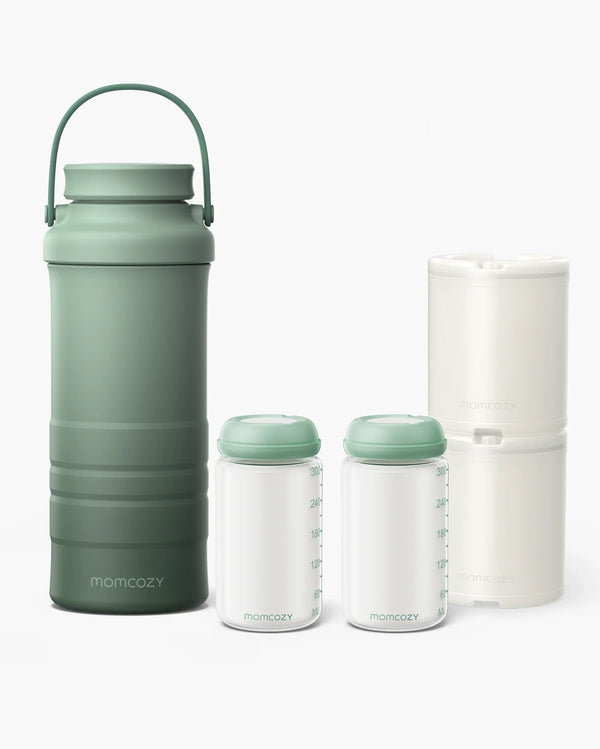
The Momcozy Portable Breast Milk Cooler (22oz) provides a more specialized solution for milk storage. This TSA-compliant cooler features:
- 360° even cooling technology
- 24-hour cooling capacity
- Separate storage compartments
- Vacuum insulation for temperature stability
From the silicone seals to the PP bottle, every component is chosen with care. Momcozy breast milk coolers are made from safe, food-grade materials, allowing for all-in-one care for fresh, safe milk.
For optimal performance, freeze the cooler compartment at 0°F for 12 hours before use. This ensures maximum cooling efficiency throughout your day out. The visible size markers help track milk volume, while the high capacity accommodates multiple pumping sessions.
Breast Milk & Water
Large Capacity
Portable
How to Store Breast Milk at Work
A reliable storage system for breast milk at work involves some planning and the right setup. First, know what is available for you at work; ideally, you will have a refrigerator and a private place to pump.
Store breast milk in the refrigerator at work. If possible, designate a specific area for storage in a sealed container labeled with your name and the date. Place your containers of milk towards the back of the refrigerator for consistent temperature. Always store in breast milk storage bags or bottles when storing to avoid contamination.
Organize your pumping schedule around your work commitments. Most mothers need to pump every 3-4 hours during an 8-hour workday. Label each container with the date and time of expression, and store them in chronological order for easy rotation.
Consider keeping a backup manual pump at work in case of problems with the working pump. Store cleaned pump parts in a separate sealed container between uses. If no refrigeration is available, an insulated cooler with ice packs can keep the milk at a safe temperature for up to 24 hours.
Get ready at the end of the day. About 30 minutes before leaving, transfer milk from the workplace refrigerator to your cooler bag so the ice packs can cool down to the temperature of the milk during transport home.
How to Pack and Store Breast Milk When Travelling
It involves, however, extra planning whenever one is to travel, especially on longer journeys. First, research the destination and the facilities available at that place, plus the local regulations. For flying, breast milk is exempt from TSA liquid restrictions; however, for screening in ease, keep it separate from other liquids.
For road trips, invest in a reliable car adapter for your breast pump and map out stops for pumping breaks every 3-4 hours. A portable cooler with good insulation becomes essential for multi-day trips. Pre-freeze ice packs and rotate them if traveling longer than 24 hours.
Consider these storage durations for travel:
-
Room temperature (60-77°F): 4 hours maximum
-
Cooler with ice packs (59°F): 24 hours
-
Hotel refrigerator (39°F): Up to 4 days
-
Hotel freezer (0°F): Up to 6 months
When booking a hotel, call ahead to ask if there is a room with a mini-fridge available. Many hotels will provide a separate freezer for breast milk storage or allow storage of ice packs in their kitchen freezer. At check-in, check the refrigerator temperature when able with a thermometer.
For international travel, research power adapter requirements for your pump and verify local regulations about transporting breast milk. Consider shipping milk home if traveling for extended periods, using specialized milk shipping services that maintain proper temperature throughout transit.
Other Tips for Storing Breast Milk on the Go
Any time you travel with your baby, always make extra milk. Take already pumped milk with you, as well as fresh milk, to cover your supply. Freeze this backup milk in smaller portions (2-4 ounces) to avoid waste and provide flexibility in a feeding schedule.
Temperature management is crucial when using stored milk. The Momcozy Portable Baby Bottle Warmer offers a convenient solution for heating milk on the go. Its smart sensor technology ensures optimal warming temperature, preserving milk nutrients while preventing overheating. The portable design makes it ideal for travel, outdoor activities, or quick errands.
Breast Milk & Water
Fast Heating
Long Battery
Consider these additional storage tips:
- Use breast milk storage bags to save space
- Double-check all container seals before packing
- Keep a small cooler in your car for unexpected delays
- Store milk in the back of coolers where temperature is most stable
- Monitor temperature with a portable thermometer
- Pack bottles upright to prevent leakage
If using previously frozen milk, thaw it in the refrigerator before your outing. Never refreeze thawed breast milk, and use it within 24 hours of thawing.
Tools You Need to Pump and Pack Breast Milk for a Day Out
1. Essential Pumping Equipment
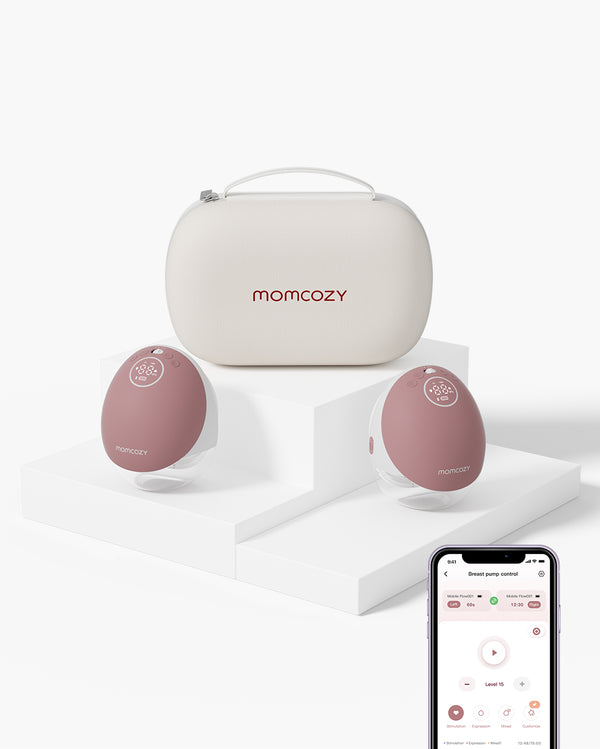
When getting ready to pump and pack breast milk for a day out, having a dependable breast pump is essential. The Momcozy M9 is a great option for its efficiency and user-friendly design. Make sure you have everything you need, including backup batteries or a power bank, to stay powered throughout the day.
Cleanliness is paramount when pumping breast milk. Pack clean pump parts and extra membranes to ensure you can maintain hygiene even if something gets dirty or damaged. Multiple sets of flanges provide convenience and a backup option.
Breast pump cleaning is crucial on the go. Bring breast pump cleaning wipes or a small bottle of soap to sanitize your equipment. A microfiber towel is excellent for quickly drying pump parts after cleaning.
2. Storage Containers and Cooling
Choose BPA-free breast milk storage bottles or bags to safely store your expressed milk. These containers should be sturdy and designed specifically for breast milk storage to maintain milk quality.
Feeding on the go gets easier as baby grows into a high chair—it provides a stable, hygienic surface for meals whenever you're away from home.
An insulated cooler bag with ice packs is essential for keeping your breast milk at the right temperature. Proper cooling prevents bacterial growth and maintains milk safety during transportation.
Organization is key when storing breast milk. Bring labels and a waterproof marker to date each milk container. This helps track freshness and ensures you use milk in the correct order.
Prepare for potential spills by packing clean burp cloths or paper towels. Zip-lock bags are useful for storing used pump parts separately from clean items, maintaining overall hygiene.
3. Personal Comfort Items
Breast pads are a lifesaver for preventing unexpected leakage. Pack extra pads to stay comfortable and confident throughout the day.
A nursing cover can provide additional privacy if you're pumping in public spaces. While not essential, many mothers find them helpful for feeling more at ease.
To further reduce strain on your back and arms, bringing along a nursing pillow can significantly improve your posture and comfort during feeding breaks.
Don't forget personal hygiene items. Hand sanitizer and cleaning supplies will help you maintain cleanliness when washing facilities aren't immediately available.
Stay hydrated and energized by bringing a water bottle and healthy snacks. Pumping can be physically demanding, so keeping yourself nourished is important.
Consider packing an extra shirt in case of spills or leaks. This simple precaution can save you from discomfort and embarrassment during your day out.
High Efficiency
Expert-Tuned Rhythms
APP Control
Long Battery
4. Organizational Tip
To make your pumping day smoother, organize your items into separate bags within your main pump bag. Designate one bag for pumping equipment, another for storage items, and a third for personal comfort items. This system helps you stay organized and quickly find what you need during busy moments.
How Long Does Expressed Breast Milk Keep?
Knowing how long breast milk stays safe is just as important as knowing how to store it. Storage time depends on where you keep it and the conditions around it. Always label each container with the date and time of expression so you can track freshness easily.
Room Temperature
Freshly expressed breast milk can be kept at room temperature (up to 77°F/25°C) for up to 4 hours. If the room is warmer than usual, use it sooner. Never leave breast milk out longer than 4 hours, even if it looks and smells fine.
Insulated Cooler
When stored in an insulated cooler bag with ice packs, breast milk stays safe for up to 24 hours. Keep the cooler closed as much as possible and avoid leaving it in direct sunlight or a hot car. Once you arrive at your destination, transfer the milk to a refrigerator as soon as possible.
Refrigerator
Breast milk can be stored in the refrigerator at 39°F (4°C) or below for up to 4 days. Place containers toward the back of the refrigerator where the temperature is most consistent. Avoid storing milk in the refrigerator door, as the temperature fluctuates more there.
Freezer
Breast milk stored in a freezer at 0°F (-18°C) or below stays safe for up to 6 months, with best quality within that window. It can remain safe for up to 12 months, though some nutritional quality may decrease over time. Use airtight, BPA-free storage bags or containers and leave a little space at the top as milk expands when frozen.
How Long Is Breast Milk Good for Once Taken Out of the Fridge?
Once breast milk has been taken out of the refrigerator, it should be used within 2 hours. If your baby does not finish the bottle, discard the remaining milk within 2 hours of the feeding. Do not return unfinished milk to the refrigerator for later use.
How Do I Thaw Frozen Breast Milk?
Thawing breast milk safely preserves its nutrients and keeps it safe for your baby. Follow these steps for the best results.
Thaw the Oldest Milk First
Always use the oldest frozen milk first. Check the dates on each container and rotate your supply so nothing goes to waste. A good habit is to organize your freezer with the oldest milk at the front and the newest at the back.
Thaw Frozen Breast Milk in the Refrigerator
The safest way to thaw breast milk is to move it from the freezer to the refrigerator and let it thaw overnight. This keeps the milk at a consistent, safe temperature throughout the thawing process. Once fully thawed in the refrigerator, use the milk within 24 hours.
Warm the Milk Under Warm Running Water or in a Bowl of Warm Water
If you need to thaw milk more quickly, hold the container under warm running water or place it in a bowl of warm water. This method is gentle and helps preserve the milk's nutrients. The water should be warm, not hot. A portable bottle warmer like the Momcozy Portable Baby Bottle Warmer is also a convenient option, especially when you are on the go.
Don't Heat Breast Milk in the Microwave
Never use a microwave to thaw or heat breast milk. Microwaves heat unevenly and can create hot spots that may burn your baby's mouth. They can also break down important nutrients and antibodies in the milk.
Don't Refreeze Thawed Breast Milk
Once breast milk has been thawed, do not refreeze it. Refreezing can affect the quality and safety of the milk. If your baby does not finish thawed milk within 24 hours, discard the remainder.
Can I Add Freshly Expressed Breast Milk to Already Stored Milk?
Yes, but with some important conditions. You can combine freshly expressed breast milk with already refrigerated or frozen milk, as long as the fresh milk has been cooled first. Never add warm, freshly pumped milk directly to cold or frozen milk, as this can raise the temperature of the stored milk and encourage bacterial growth.
To combine milk safely, cool the freshly expressed milk in the refrigerator first, then add it to the already stored milk. Also, make sure the amount of fresh milk you are adding is less than or equal to the amount already stored, and always use the earliest expiration date of the two batches as your new storage deadline.
TSA Guidelines for Flying With Breast Milk
Traveling by air with breast milk is straightforward once you know the rules. The TSA allows breast milk in quantities greater than 3.4 oz (100ml) in carry-on luggage, and it is exempt from the standard liquid restrictions that apply to other items. Here is what to keep in mind:
- Breast milk does not need to travel with your baby. You can bring it even if your baby is not on the flight.
- Inform the TSA officer at the checkpoint that you are carrying breast milk before screening begins.
- Breast milk may be subject to additional screening, which can include X-ray or a visual or physical inspection.
- Ice packs, freezer packs, and gel packs used to keep breast milk cool are also allowed in carry-on bags, regardless of their state (frozen, partially frozen, or fully melted).
- Keep breast milk in a clear, labeled container to make the screening process faster and easier.
- If traveling internationally, check the regulations of your destination country, as rules may differ from TSA guidelines.
FAQs
What Is the 3-3-3 Rule for Breast Milk?
The 3-3-3 rule is a simple guideline some parents use to remember breast milk storage times: 3 hours at room temperature, 3 days in the refrigerator, and 3 months in the freezer. While this is a conservative and easy-to-remember rule, current guidelines from the CDC actually allow for longer storage times: up to 4 hours at room temperature, up to 4 days in the refrigerator, and up to 6 months in the freezer for best quality. When in doubt, the 3-3-3 rule keeps things on the safe side.
How Long Can I Keep Defrosted Breast Milk?
Once breast milk has been thawed, it should be used within 24 hours if kept in the refrigerator. If you have warmed thawed milk for a feeding and your baby does not finish it, use it within 2 hours and then discard any remainder. Never refreeze breast milk once it has been thawed.
Can I Put Breast Milk From the Same Day in the Same Bag?
Yes, you can combine breast milk expressed on the same day into the same storage bag or container, as long as both batches have been cooled to the same temperature first. Cool each batch in the refrigerator before combining, and always label the container with the time of the earliest pumping session to track freshness accurately.
How Long Is Breast Milk Good for Once Taken Out of the Fridge?
Breast milk taken out of the refrigerator should be used within 2 hours. If your baby does not finish the bottle during a feeding, discard the leftover milk within 2 hours of when the feeding began. Do not return partially consumed milk to the refrigerator.
Can Babies Drink Cold Breast Milk?
Yes, babies can safely drink cold breast milk straight from the refrigerator. While some babies prefer warmed milk, there is no medical reason it needs to be heated. If your baby prefers it warm, use a bottle warmer or a bowl of warm water to gently heat it. Avoid using a microwave, as it heats unevenly and can create dangerous hot spots.
Can You Bring Breast Milk in a Cooler Bag?
Yes. An insulated cooler bag paired with ice packs is one of the most practical ways to transport breast milk safely, keeping it at a safe temperature for up to 24 hours.
Master Breasts Milk Storage on the Go
Although it may be overwhelming to navigate, with the right preparation and tools, nursing mothers can have ease anywhere when it comes to their pumping needs. The key is being organized, prepared, and kind to yourself throughout such an important journey in motherhood. Know the proper way to store, invest in good equipment, and plan ahead so your baby gets the best nutrition possible.
Each pumping session shows a bit about a mother's love and dedication. Overwhelming as it might be, each carefully packed bottle speaks volumes about your love and commitment to the health and well-being of your child. It can be done—such is the demand for patience, flexible planning, and just the right amount of the right tools. Be it to return to work, travel, or simply run some errands, you will be able to pump out the best for your baby. Trust yourself—you are doing great feeding your little one.