


The emotional and mental strength a mother needs is high. You have to deal with complex emotions, and not knowing what to do can lead to frustration. One particular challenge is loving your baby and missing yourself at the same time. This is called matrescence. What is matrescence? It may mean expansion of your life, not erasure of your identity. This article will help you understand this phase and teach you how to cope.
What Is Matrescence? A Clear Matrescence Definition

Matrescence is the life transition moms experience starting from preconception all the way to the postnatal period and early parenting. It also covers surrogacy and adoption.
Anthropologist Dana Louise Raphael, Ph. D, coined the term to describe this developmental change that moms experience. Aurélie Athan, Ph.D. later expanded and modernized the take.
This interpretation says that matrescence involves biological, emotional, social, political, and spiritual changes. It's like adolescence all over again. It's a period that reshapes one's identity, beliefs, values, priorities, and sense of meaning or purpose. What makes it different is the outside factor that affects these changes: the child.
Where Did the Term Come From?
Here's a quick review of the history of the term matrescence.
Dana Raphael
Dana Raphael, Ph. D., coined the terms matrescence and doula in the 1970s. She compared it to adolescence. Raphael described it as the profound physical, emotional, and psychological transition to motherhood.
Parallel to this, Raphael also coined the term patrescence for fathers.
No Rite of Passage
Western societies skipped this rite of passage. They romanticize birth and shift all focus to the baby. They did not recognize that a mother is a person undergoing transformation. As such, moms also did not receive structural support.
Aurélie Athan
Psychologist Aurélie Athan brought matrescence into modern psychological research. She also developed it as a framework for understanding maternal development.
Alexandra Sacks
Psychiatrist Alexandra Sacks helped introduce the concept to a wider audience. She brought it to the mainstream through her writing, New York Times work, TED talks, and media appearances.
Why Matrescence Feels Like a Second Adolescence
Both adolescence and matrescence involve changes across the body, brain, identity, relationships, and place in society. That is why they feel so similar. To understand this better, check the list of their similarities below.
Hormone and Body Changes
Your brain releases chemicals that trigger puberty, growth spurts, and emotional shifts during adolescence. It also happens during matrescence. However, the specific hormone changes now focus on role shifts from being an individual to becoming a parent. A closer look at hormonal changes after giving birth can make those postpartum shifts easier to recognize.
Brain Changes
The brain reorganizes and fine-tunes itself during adolescence. Likewise, pregnancy is linked to changes in brain structure and function that may support social understanding, attachment, and caregiving.
You may find yourself forgetful. You may notice that your attention span is shorter. People call this "mom brain." Know that this is normal since your brain is reorganizing. Your brain is adapting to new demands, so it can't maintain focus for long.
Mixed Feelings
Teens often feel conflicted feelings or contradictory desires. The same thing happens to women during their transition to motherhood.
Joy, grief, love, frustration, and uncertainty can exist at the same time. That said, feeling ambivalent about motherhood does not mean you are failing at it. It is a developmental phase.
Psychodynamic theorists like Parker and Raphael-Leff say that ambivalence is not harmful. It is the guilt that accompanies it that may cause frustration.
If you find this guilt overwhelming, you can go to therapy or support groups. It will help you understand ambivalence more and may even help you turn it into empowerment.
What Actually Changes During Matrescence
These changes happen during matrescence:
- Hormonal shifts - Your hormones and your body go through a lot of changes. Pregnancy causes shifts, childbirth causes some, and breastfeeding, too.
- Psychological and identity shifts - As you become a mother, your sense of self can change. You will rethink your priorities, values, and expectations.
- Social world shifts - Your changing priorities may also affect your friendships. You may look for new communities that understand your experiences more.
- Economic load shifts - Your baby will keep you busy. You will have to feed them and care for them. Daily chores and work can pile on top of that. This will reshape how you spend your time and energy.
- Emotional shifts - You may feel a mix of contrasting emotions during matrescence. Please keep in mind that this does not mean you are failing or that something is wrong with you.
Postpartum Identity Loss: Why You Don’t Feel Like Yourself
Taking care of your child may not leave time for your hobbies. You may feel disconnected from your old routines, interests, or sense of control.
That makes a lot of moms miss their pre-baby life. But that does not mean they'd rather not have their baby. Moms still love their children deeply.
Still, that feeling is hard to ignore. There are simply too many changes to your work, routines, body, friendships, and freedom. It can leave you wondering, "Who am I now?" Many parents work through that question by learning how to raise kids without losing yourself.
It may feel like you are losing something, but you are actually not. It's actually the start of an expansion. You gain a new part of yourself during matrescence - one that you'll cherish in the years to come.
Simple Coping Strategy
Going for a walk can help clear your mind. A quick errand can help you reconnect with your former self. Being in motion will help remove the feeling that you are stuck.
Of course, you can't leave your baby if no one's home to take care of them. You can use the Momcozy PureHug to bring them with you. It will allow you to carry your baby and keep moving forward without straining your back.


Matrescence vs. Postpartum Depression: What’s Normal and When to Get Help
Please note that this section is not giving you medical advice. Consulting your doctor can help you more than any online article could.
Matrescence is not a diagnosis. It is the transition into motherhood. Postpartum depression is a serious mental health condition. It occurs after having a baby and causes extreme sadness and low energy.
You may experience "baby blues" during matrescence. It causes anxiety, mild mood swings, or crying spells. But they do not last long. Baby blues go away within two weeks. Postpartum depression, on the other hand, is long-lasting.
Seek clinical help if you experience these:
- hopelessness
- severe anxiety or panic
- inability to function
- frightening or intrusive thoughts that feel difficult to manage
- thoughts of harming yourself or your baby
- feeling detached from reality
Struggling with the transition does not mean you are a bad mother. Getting support is part of caring for yourself and your baby.
How Long Does Matrescence Last? (And What the Phases Can Look Like)
Matrescence does not have a set end date. In fact, Athan says it can recur every time you have a child. But it always comes in three phases.
Phase 1: Disorientation
In the early months of matrescence, you may feel like your life is upside down. Your body is changing; you are confused and running on little sleep.
Phase 2: Adjustment and Identity Grief
Your daily life becomes more manageable as you adjust to your life with your baby. Still, all the changes may lead you to ask, "Where do I fit into all of this?" You can miss your old freedom, friendships, or sense of self while still loving motherhood.
Phase 3: Integration into a More Complex You
As you learn to adjust, motherhood will integrate into your life. It becomes a part of your identity instead of your entire identity. You may feel more like yourself again, but with new priorities, relationships, and a clearer sense of who you are.
This process can take 18 months to three years or longer.
No To "Bounce Back"
Your maternity leave has a finite number of days. After that, you may feel like it's your responsibility to bounce back immediately. This may pressure you to quickly socialize and feel like your "old self" again. That pressure often shows up as maternity leave anxiety when the return-to-work date gets close.
But please remember that identity change does not run on a workplace schedule. So don't feel bad if you can't adjust right away. It's a major life transition, so it's normal to take a lot of time.
How to Navigate Matrescence Day to Day
Here are some tips on how to navigate matrescence.
Name It to Tame It
Put words to what you are experiencing. Say what you really feel. For example, say "I miss my old life" or "I feel overwhelmed." Doing this can make confusing feelings easier to understand and communicate. It can help you find ways to feel better.
Protect Tiny Pockets of Selfhood
Keep small things that remind you who you are outside motherhood. Read a few pages of a book if you're a reader. Take a walk, listen to music, or work on a hobby. Doing this helps you feel that you are still you.
There are new parts to your identity. But at your core, it is still the same person.
Rebuild Your Village
Let people help in ways that actually reduce your load. Give your loved ones who are willing to help specific jobs. It could be bringing dinner, watching the baby while you shower, or handling an errand.
They may also give you new mom gifts or self-care gifts. Don't be shy to use these. These people gave them to you so you can take care of yourself.
This will give you free time for yourself. It will help you feel like a mother but also a whole person outside of that.
Steady Anxiety When You Can’t Be in Two Places at Once
Imagine this. You want to do something for yourself. However, you also have to monitor your sleeping baby. In this situation, you'd want to be in two places at once, but that's not possible.
The good news is that you can use tools like the Momcozy Contact-Free Smart Baby Monitor to solve this. It allows you to monitor your baby without being glued to the crib. That same need for reassurance is why some parents look to mental health tips for new mums when being away from the crib feels hard.

Care for the Body That Is Still Changing
Pregnancy, birth, and breastfeeding can leave your body changing for months or longer. Recovery also causes changes. Be attentive to what your body needs. Rest when you can, eat nutritious food, and move gently. A clear picture of how the postpartum body heals after birth can help you set a gentler pace.
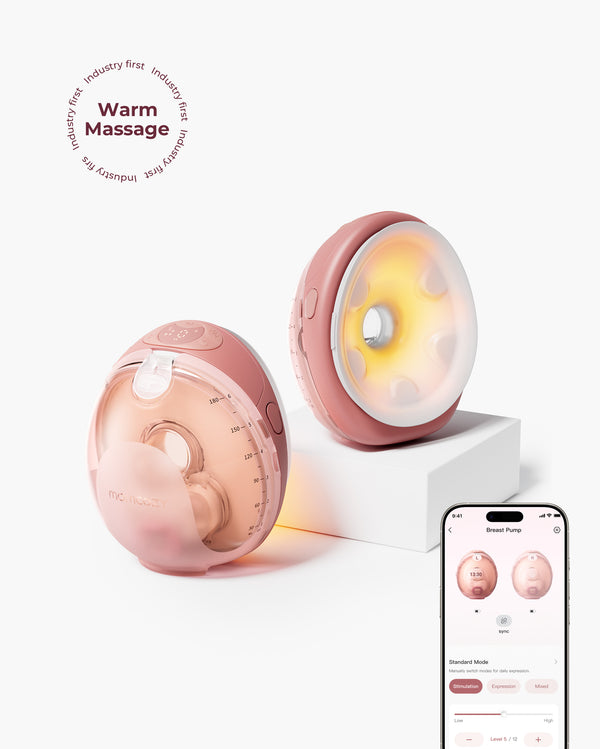
You should also support sore areas, which usually includes your breasts. The Momcozy Wellness 1 offers heating and massage modes that can help you feel more comfortable.
Gently caring for your body is part of finding yourself again.

Why Understanding Matrescence Matters
Knowing that matrescence is a real developmental transition helps a lot. It helps clear your mind and put off thoughts that you are failing at being a mother.
Partners, families, and workplaces need to support the mother during this transition. They should not just help take care of the baby. They also need to consider the mom's identity, health, and well-being. Accept it when they offer help.
You may feel like you are losing parts of yourself, but this transition can also create room for new parts of who you are.
From Losing Yourself to Expanding Yourself
As mentioned above, matrescence is a developmental transition. The key word is "developmental." It means becoming more and not less. You are still you - mom and more.
Supporting that expansion often shows up in four everyday dimensions:
- Body (caring for a changing body)
- Emotion (steadying overwhelm)
- Time (reclaiming small pockets of your day)
- Identity (staying yourself while staying close to your baby).
You do not need to master all four today. Knowing they exist already fights the "I disappeared" story.
On Identity, some moms find that tools for closeness-without-erasure help. One example is an easy carrier for quick errands that keeps the baby close while you keep moving. Another is a contact-free smart baby monitor that supports remote parenting for anxious parents. It ensures that you can keep monitoring your baby without having your eyes glued to them.
On Body, know that physical comfort is not vanity but a part of identity recovery. Suppose your nipples feel sore due to pumping. You can switch to tools like the Wellness 1 to deliver warmth and a massage, which promotes comfort.
If this resonates with you, check the Momcozy Brand Day/Mom and More story for a fuller read.
FAQ: Quick Answers About Matrescence
Here are some FAQs about matrescence.
What is matrescence?
Matrescence is the developmental transition into motherhood. Like adolescence, it causes changes in your body, brain structure, hormones, and sense of self.
How long does matrescence last?
Unlike adolescence, matrescence has no set duration. You may experience the physical and emotional changes in the first two to three years. However, the psychological shifts can last up to 10 years.
Is matrescence the same as postpartum depression?
No. Matrescence is not the same as postpartum depression. Matrescence is the whole transition to motherhood. On the other hand, postpartum depression is intense loneliness and anxiety that last longer than the regular baby blues.
Why do I feel like I've lost myself after having a baby?
You feel like that because of all the changes in your life. There are changes in your body, brain, and routines. You have new responsibilities that keep you occupied. They leave you no time to do things you used to do. But once you have fully adjusted, this will feel more like an expansion. You did not lose yourself; you just found a new piece of your identity.
Does matrescence happen with adoption or only after giving birth?
Matrescence is not limited to biological motherhood or giving birth. According to Athan, it also happens with adoption and even surrogacy. It causes changes in your identity, relationships, routines, expectations, and emotional life. After all, you are still becoming a mother.
Does matrescence happen again with a second baby?
Yes. Matrescence is not a one-time-only deal. It can recur every time you have a child.
Conclusion
Matrescence is a real developmental passage. This transition may make you feel like you are losing your identity. But once you understand it and learn how to deal with it, you can reshape your thoughts. It is more an expansion instead of erasure. You are still you, mom and more.








