


Pregnancy is a remarkable period of growth and transformation, but it also comes with its own set of physical challenges. Among the most frustrating and painful is sciatica, a sharp, radiating discomfort that travels from the lower back down through the buttock and into the leg. Many pregnant people describe it as a lightning bolt of pain or a deep ache that makes walking, sitting, or even turning in bed difficult. Understanding why sciatica happens during pregnancy, and how thoughtful support tools like the Momcozy Ergonest Maternity Belly Band can offer relief, can make a tremendous difference in comfort during these months.

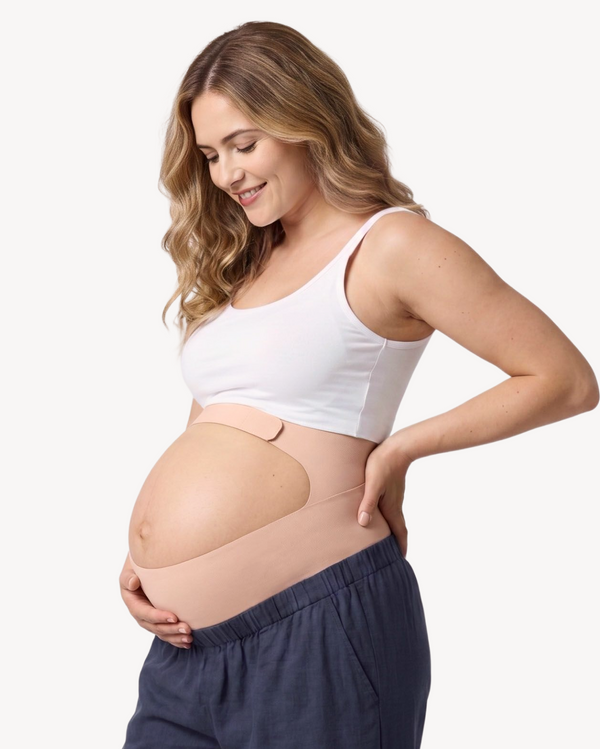
Why is Sciatica more common in pregnancy?
The sciatic nerve is the largest nerve in the body. It starts in the lower spine, runs through the buttocks, and extends down each leg. When something compresses or irritates this nerve, it triggers what we know as sciatica. In pregnancy, several factors contribute to this compression:
1. Weight Distribution and Postural Changes
As the uterus grows and the baby gains weight, the center of gravity shifts forward. This natural and necessary change often causes the lower back to arch more than usual. The added strain on the lumbar spine can lead to pressure on the sciatic nerve. Simple movements—like transitioning from sitting to standing—may suddenly feel painful.
2. Loosening of Ligaments
Pregnancy hormones such as relaxing soften the ligaments that support the pelvis. This helps prepare the body for birth, but it can also cause joints to become less stable. When the pelvic joints shift or move unevenly, the muscles around them may tighten to compensate, and this muscle tension can compress the sciatic nerve.
3. Increased Load on the Pelvis
The later weeks of pregnancy bring increased weight not only from the baby but also from the placenta, amniotic fluid, and increased blood volume. This additional weight can lead to pelvic tilt, which adds strain to the lower spine and buttock muscles.
4. Baby’s Position
Sometimes, the baby’s head, back, or limbs sit close to the sciatic nerve, especially in the third trimester. As the baby grows and settles lower into the pelvis, they can press on nerve pathways and trigger pain. I felt my sciatica worsen the weeks right before birth, when my baby was sitting lower.
Many pregnant people experience:
- Sharp, shooting pain in the buttock or leg
- Numbness or tingling down the thigh or calf
- Difficulty walking or standing for long periods
- Muscle weakness in the affected leg
- Pain that worsens with certain movements, like bending or twisting
What can I do to relieve sciatica symptoms?
While sciatica isn’t dangerous to the pregnancy, it’s unquestionably disruptive. Finding effective, safe solutions becomes essential—especially for parents who need to stay active or continue working throughout pregnancy. The Momcozy Ergonest Maternity Belly Band was designed specifically to address common causes of pregnancy discomfort, making it particularly helpful for people dealing with sciatica. It does not cure nerve compression outright, but it can significantly reduce the strain that leads to irritation of the sciatic nerve.
Here’s how:
1. Supports and Lifts the Belly
One of the major contributors to sciatic pain is the downward pull of the growing abdomen. The Momcozy Ergonest Belly Band provides a gentle upward lift, redistributing weight away from the lower back and pelvis. This reduces the mechanical pressure that causes the lumbar spine to arch excessively, easing strain on the sciatic nerve.
2. Stabilizes the Pelvis
With pregnancy hormones loosening pelvic ligaments, stabilization becomes key. The adjustable, wrap-around design of the band provides 360-degree support, helping keep the pelvis aligned. When the pelvis is better supported, surrounding muscles no longer need to overcompensate—resulting in less tension and less nerve compression.
3. Improves Posture During Movement
Whether walking, standing for long shifts, or doing household tasks, posture tends to deteriorate as the abdomen grows. The Ergonest Belly Band encourages a more neutral spinal alignment. Better posture means less spinal curvature and fewer positions that irritate the sciatic nerve.
4. Reduces Pressure on the Lower Back Muscles
Lower back muscles are often overworked in pregnancy. The band offers extra reinforcement for these muscles, similar to a lumbar support brace. This helps prevent fatigue and muscle tightness—two common triggers of sciatic pain.
5. Comfort for All-Day Wear
Designed with breathable, stretchy fabric, the Momcozy Ergonest is comfortable enough to wear for extended periods, even during activity. Consistent support throughout the day helps prevent the small repetitive movements that add up and flare sciatic pain.
While a supportive belly band is one of the most effective and accessible tools, additional strategies can complement its benefits:
- Prenatal stretching, especially hip-opening and low-back stretches
- Warm compresses on the lower back or buttocks
- Prenatal yoga or gentle strengthening exercises
- Avoiding long periods of standing or sitting
- Sleep support, such as placing a pillow between the knees
Always check with a healthcare professional to rule out other causes of pain and to ensure exercises are appropriate for your stage of pregnancy.








