Your body did something intense. Skin stretched for months, organs shifted, and tissue changed to make room for a baby. After birth, the belly often looks smaller but still feels loose, soft, or wrinkled. That gap between “I’m healed” and “I feel like myself” can be discouraging, especially when the mirror does not match the effort you are putting in.
This article focuses on excess skin after pregnancy in a practical way: what it is, why it happens, what tends to improve with time, and what can help at home or in a medical office.
What Is Excess Skin After Pregnancy?
Excess skin after pregnancy refers to skin that does not fully rebound after the belly shrinks down. It can look crepey, folded, or slightly hanging, often most noticeable below the belly button. Some people notice rubbing, sweat, or irritation in the lower-belly crease, especially in warm weather.
Loose Skin vs Fat vs Core Changes
-
Loose skin after pregnancy: skin texture and laxity, often paired with stretch marks.
-
Postpartum fat retention: normal energy storage that may change gradually over months.
-
Core support changes: diastasis recti or a weakened abdominal wall can alter belly shape and posture.
If you pinch the lower belly and most of what you hold feels thin and “papery,” skin plays a big role. If it feels thick and dense, fat may be contributing. If the belly pushes forward even when the weight is stable, core support may be part of the picture.
Does Excess Skin After Pregnancy Go Away on Its Own?
Sometimes, yes. Mild extra skin after pregnancy often improves on its own, especially during the first 6–12 months postpartum, as swelling resolves and skin fibers gradually remodel. The belly can look smoother over time when weight changes are gradual and muscle tone returns.
That said, not all loose skin rebounds fully. Skin tightening depends on elasticity, age, genetics, how far the skin stretches, and how quickly your body size changes after birth. If the skin mostly shows light wrinkling without hanging folds, time plus consistent habits often bring noticeable progress. If loose belly skin after pregnancy hangs significantly, creates a persistent fold, or repeatedly irritates the skin underneath, the natural “tightening” effect is usually limited, and a clinician can help you understand what options fit your goals.
What Causes Excess Skin After Pregnancy?
Most postpartum bodies show a mix of changes rather than a single “reason.” Sorting causes into buckets helps you focus on what can be influenced.
Skin Stretching and Fiber Fatigue
Pregnancy stretches skin beyond its usual range. When tissue remains stretched for a long period, elastic fibers may not snap back fully. Stretch marks often appear when deeper layers of skin are disrupted, and the surface can look thinner or more wrinkled afterward.
Size Changes and Speed of Shrink-Down
Bigger overall expansion, twins, or multiple pregnancies can increase the stretch load. Rapid postpartum weight loss can also make saggy belly skin after pregnancy look more obvious, because volume drops faster than the skin tightens.
Baseline Skin Quality
Genetics and age matter. Some people naturally have more resilient elasticity. Others have thinner skin, a history of large weight swings, or heavy sun exposure over the years, all of which can reduce “spring back.”
Core and Posture
Core weakness does not create loose skin, but it can change the belly’s shape and how skin sits over the abdominal wall. Better core control often improves the silhouette and the way clothing fits, even when skin laxity remains.
Can You Prevent Excess Skin After Pregnancy?
Perfect prevention is not realistic for most people. A better goal is lowering the odds of severe laxity and supporting tissue health across pregnancy and postpartum.
A prevention plan can be simple and still effective:
Keep Weight Change Gradual When Possible
Healthy pregnancy weight gain, guided by your clinician, can reduce extreme stretching. After delivery, gradual loss tends to be kinder to skin than sudden drops.
Build Strength and Circulation
Prenatal movement and postpartum strength work, once medically cleared, support muscle tone and circulation. Stronger muscles also change the way skin drapes.
Support Skin with Basics, Not Promises
Hydration, sunscreen, and gentle moisturizer help skin feel better and look less dry. They will not “erase” loose skin, yet they can improve comfort and texture.
Even with great habits, losing excess skin after pregnancy may still take time. That outcome is common and not a personal failure.
How to Get Rid of Excess Skin After Pregnancy Home Remedies
Home strategies work best when they match the biology of postpartum recovery. Skin changes respond slowly. Muscle and body composition respond faster, and those wins often make the belly look better while skin continues to remodel.
Strength Training That Improves Shape
A firmer foundation can make loose skin look less dramatic. Strength training builds muscle tone under the skin and supports posture.
Good postpartum-friendly focus areas include:
- Deep core control with breathing-based work
- Glutes and hips for pelvic stability
- Upper back strength to counter nursing posture
- Gentle progressive loading for the full body
If you have diastasis recti symptoms, a pelvic floor physical therapist can help you choose safe progressions.
Cardio for Overall Body Composition
Walking, cycling, swimming, or low-impact classes support fat loss and cardiovascular health. If part of the belly softness is fat retention, cardio can help reduce that layer over time.
A realistic approach: 20 to 40 minutes most days, at an intensity where you can speak in short sentences. Consistency matters more than intensity.
Nutrition That Fits Postpartum Reality
Food cannot “tighten” skin directly, yet it supports training, recovery, and gradual fat loss.
- Protein at each meal supports muscle repair.
- Fiber and fluids support digestion, which can affect belly comfort.
- A steady calorie pattern helps avoid crash dieting, which often worsens fatigue and can speed up size changes faster than the skin can adapt.
Topicals and Massage for Texture and Comfort
Moisturizers and oils can reduce dryness and improve how skin feels. Some topical ingredients, such as retinoids, may support collagen over time, but results are usually subtle and take months. If you are breastfeeding, confirm ingredient safety with your clinician.
Massage can help with comfort and body awareness. It can also make a “tightness routine” feel sustainable, which matters because skin changes move slowly.
Support Garments for Daily Comfort
Many moms want support during long feeding sessions, chores, or walks. Abdominal binders can help some people feel steadier, especially early postpartum or after a cesarean birth, when a clinician approves their use.
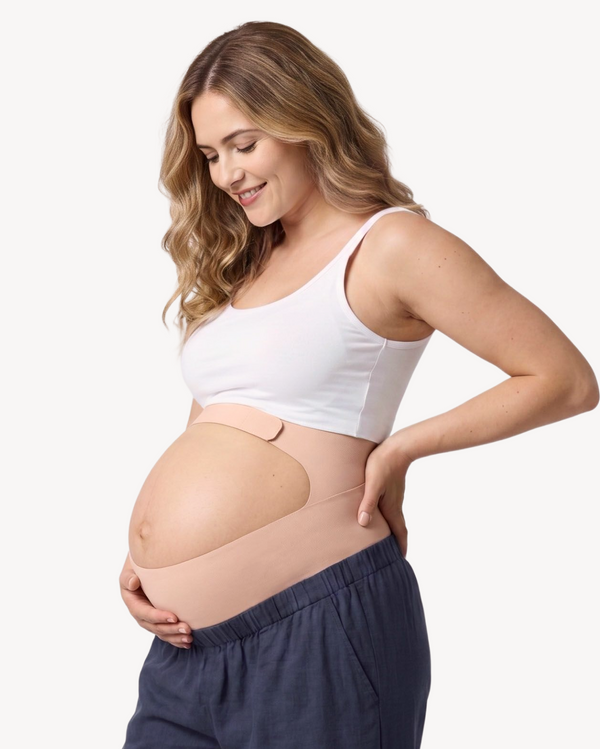
If you want a simple option, a postpartum wrap like the Momcozy Ergowrap™ Postpartum Belly Wrap can offer gentle support during daily activity.
Support
Komfort
Effektivität
Postpartum
How to Get Rid of Excess Skin After Pregnancy Medical Treatments
When home steps help but do not meet your goals, medical treatments can be worth discussing. The key is matching the option to the main driver: skin, fat, muscle, or a combination.
Below is a quick way to compare common paths.
| Treatment Type |
Best Match |
What It Does Not Do Well |
| Abdominoplasty (Tummy Tuck) |
Significant loose or hanging skin |
Not a weight-loss procedure |
| Liposuction |
Local fat pockets |
Does not fix loose skin by itself |
| Combination Surgery (Often Called a “Mommy Makeover”) |
Multiple concerns together |
Requires planning and recovery capacity |
| Energy-Based Skin Tightening |
Mild to moderate laxity |
Changes are gradual and vary by person |
| Cryolipolysis (Fat Freezing) |
Small fat areas |
Targets fat, not extra skin |
Tummy Tuck
A tummy tuck is the most direct route for significant loose belly skin after pregnancy, especially when skin hangs in folds. It removes excess skin and can address abdominal wall laxity in appropriate candidates. Professional society statistics often report average surgeon fees separately from anesthesia and facility fees, so the total cost can be higher than the headline number.
This option fits people who want a big contour change and accept a surgical recovery period and scarring.
Liposuction
Liposuction removes fat, not skin. It can improve contour when fat is the main issue and skin elasticity is decent. If the primary concern is saggy belly skin after pregnancy, liposuction alone often falls short, and a clinician may discuss combining it with skin removal.
Mommy Makeover
“Mommy makeover” is a term used for a customized set of procedures aimed at postpartum concerns. It can include abdominal surgery, breast procedures, and liposuction, depending on goals and anatomy. The benefit is a coordinated plan. The tradeoff is a more complex recovery and the need for strong support at home.
Fat Transfer
Fat transfer is mainly a shaping tool. It moves your own fat to add volume where desired. It does not function as a skin-tightening solution by itself, though it can complement other contour changes in the right plan.
Cryolipolysis and Other Non-Surgical Body Contouring
Fat freezing targets fat cells in a localized area. It can be useful for stubborn pockets after weight stabilizes. It does not remove extra skin after pregnancy, so it is not the best match when loose skin is the dominant problem.
Any non-surgical contouring has limits. Some methods carry rare risks, including paradoxical adipose hyperplasia, as described with fat freezing. A reputable clinic should explain benefits, risks, and realistic outcomes in plain language before you commit.
Energy-Based Skin Tightening Options
Clinics may offer radiofrequency, ultrasound, laser, or microneedling-based devices aimed at stimulating collagen and tightening skin mildly. These can help when laxity is mild to moderate, and you prefer a non-surgical route. Results tend to appear gradually over months and often require a series of sessions.
When Is the Best Time to Treat Excess Skin After Pregnancy?
Timing shapes both safety and results. Early postpartum is a heavy season. Sleep is fragmented, hormones are shifting, and weight may still be changing. Your tissues also need time to heal, especially after a cesarean birth.
For home steps, many people begin gentle walking quickly and add structured exercise once cleared by their clinician. For procedures, most clinicians prefer that your weight is stable and that you feel physically and logistically ready for recovery.
A practical decision filter:
- Skin still changing month to month: keep building habits and reassess later.
- Weight still shifting quickly: stabilize first.
- Skin hanging with ongoing irritation or rashes: consider a medical consult sooner.
- Plans for another pregnancy soon: discuss timing carefully, since pregnancy can stretch tissue again.
How Long Does Excess Skin Take to Tighten After Pregnancy?
Tightening often starts around 8–12 weeks postpartum, then picks up over the next few months. For many moms, the biggest visible shift in loose belly skin happens between 6 and 12 months postpartum, especially once weight is steadier, and strength training is consistent. Some improvement can continue more slowly through 18–24 months, particularly if the skin stretched a lot.
If the main issue is true skin laxity (not body fat or core weakness) and the look has barely changed by about 12 months postpartum, progress often plateaus. At that point, bigger changes usually come from an in-office option discussed with a qualified clinician.
How Do Celebrities Get Rid of Excess Skin After Pregnancy?
Celebrity postpartum bodies tend to reflect resources and support systems. Many have access to high-touch training, nutrition planning, childcare help that protects sleep, and early access to dermatology and surgical consults. Some also choose procedures, then manage recovery privately.
For everyone else, the most useful takeaway is not a trick. It is a plan that matches your actual life. Sleep, steady training, gradual weight change, and realistic expectations go farther than any viral promise.
Take the Next Step Toward Feeling More Supported
Feeling stuck with excess skin after pregnancy can feel heavy, especially when you are already doing so much. Focus first on what is driving it: skin laxity, fat retention, core support, or a mix. Strength training, steady movement, protein-forward meals, hydration, and basic skin care often help over time. If loose folds keep causing irritation or barely change after months, a qualified clinician can walk you through realistic options. For everyday comfort and gentle support, Momcozy Ergowrap™ Postpartum Belly Wrap can be a simple add-on.
Support
Komfort
Effektivität
Postpartum
Schmerzlinderung
Komfort
Effektivität
FAQs
Q1. Can breastfeeding slow skin tightening?
Breastfeeding affects appetite, sleep, and weight patterns, so your size may stabilize more slowly. Skin tightening still takes time. If weight is dropping fast, aim for gradual loss, hydration, balanced protein, gentle walking, and strength training after clearance.
Q2. Do collagen supplements help with postpartum loose skin?
Collagen powders may slightly help hydration and elasticity, but they won’t tighten skin by themselves. Results are usually subtle. Think of them as extra protein. Choose reputable brands, and if you’re breastfeeding or have allergies, check with your clinician.
Q3. What if I get rashes or odor under a belly fold?
Sweat trapped under a belly fold can trigger intertrigo or yeast irritation. Keep the area clean and fully dry, wear breathable cotton, and use a thin barrier like zinc oxide. Cracks, pain, or odor call for medical advice and possible antifungal cream.
Q4. Is a “C-section shelf” the same as loose skin?
A C-section shelf can be scar tissue plus swelling, fat, and loose skin. It often softens over months. After your provider clears you, gentle scar massage and pelvic floor PT may help. Sudden bulging, redness, or pain needs evaluation.
Q5. Will insurance cover surgery to remove excess skin?
Insurance sometimes helps if excess skin causes recurrent rashes, infections, or skin breakdown. Documentation and failed conservative care are usually required. Many policies still label it cosmetic. Ask the surgeon’s office about prior authorization and get a written benefit check.