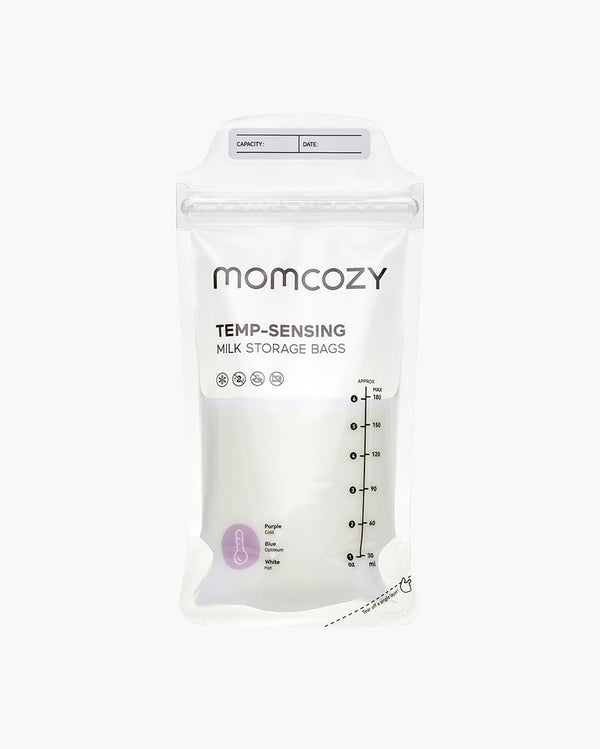
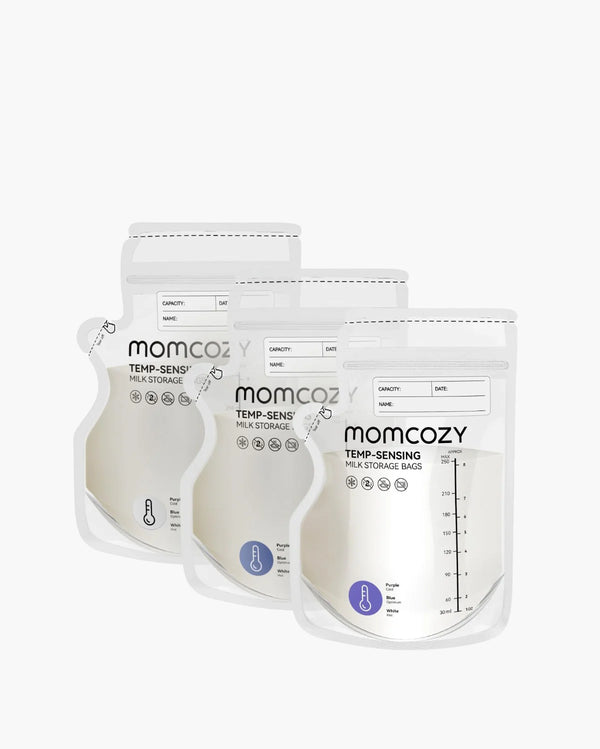
Traveling with a pump and breast milk is allowed in U.S. airports, including amounts over 3.4 fl oz, if you declare items for separate screening. Most delays come from checkpoint process issues, not from rules that ban pumping gear.
Airport security can still feel stressful when you are carrying milk, pump parts, and a tight boarding timeline. Parents who prepare for the actual checkpoint flow usually move faster because milk and pump supplies are screened under family medical exceptions, not under standard liquid limits.
What TSA Actually Allows and What “Reasonable Amount” Means
TSA states that medically necessary liquids can exceed 3.4 fl oz and do not need to fit in a quart-size bag. This includes breast milk, formula, toddler drinks, and baby food.

Many travelers are surprised that you can carry breast milk even when your baby is not present. That matters for work trips, solo return flights, and any travel where you pump away from your child.
“Reasonable amount” is not a fixed ounce cap. In practice, your quantity should match the trip length and feeding or pumping frequency. A same-day trip may justify about 16 to 24 fl oz, while an overnight trip may justify more if you pump every few hours.
Security Screening: What Happens and What You Can Request
Declaring milk and pump items
The Momcozy Pump Travel Bag - Black offers waterproof compartments and easy access for pumps and milk, helping streamline checkpoint screening.
At the checkpoint, declare milk over 3.4 fl oz and remove it for separate screening. In real lines, delays are often caused by hard-to-reach packing, so keep milk and cooler packs together in an easy-access section of your bag.

You can request a hand inspection instead of an X-ray, but that may take longer and require additional swab checks. If your schedule is tight, standard screening is often faster unless you have a specific contamination concern.
Current guidance indicates that X-ray does not harm breast milk, and TSA still allows alternative screening on request. These points are compatible: one addresses safety evidence, and the other addresses personal comfort and consent.
If handling is required, ask for fresh gloves and keep containers closed unless opening is necessary.
Portable Pump Rules vs Airline Rules
Travel guidance confirms that breast pumps can be carried on or checked, and many airlines treat them as medical devices. Even so, gate handling can vary by crew and carrier.
That variability is why checking your airline’s exact baggage wording before travel is worth a few minutes. If wording is ambiguous, a screenshot on your cell phone usually resolves disputes faster than a verbal back-and-forth.
Planning works best when feeding and pumping times are mapped before departure, because your schedule determines whether you need a full cooler setup or a lighter day kit.
|
Approach
|
Main advantage
|
Main drawback
|
Best fit
|
|
|
|
|
|
Carry-on pump bag
|
You control access, hygiene, and timing
|
Extra item to manage in crowded boarding
|
Most pumping travelers
|
|
Checked pump only
|
Fewer cabin items
|
Lost-bag risk and no access in delays
|
Rarely ideal for active pumping days
|
|
Wearable plus manual backup
|
Flexible in-seat pumping and outage backup
|
Higher prep and charging discipline
|
Long travel days and connections
|
Keeping Milk Safe Through Delays and Connections
CDC guidance says fresh milk can stay in an insulated cooler with frozen packs for up to 24 hours. That window usually covers domestic travel days, even with moderate delays.

For frozen milk, details matter: milk with remaining ice crystals can be refrozen. Once fully thawed, plan to use it within 24 hours, and label times clearly during long trips.
If cooling packs soften, asking for backup ice in sealed bags can bridge the gap until you reach a refrigerator. For a 10-hour door-to-door day with two 4 fl oz pumping sessions, planning cooler space for at least 12 to 16 fl oz gives a practical safety buffer.
Pumping on the Plane Without Losing Your Rhythm
The Hands-Free Pumping Bra from Momcozy supports wearable pumps with a stretchy, comfortable design, ideal for in-flight or seat pumping.
Travel guidance shows that in-flight pumping is usually feasible, including at your seat. A hands-free bra, pre-assembled parts, and an aisle seat often make this easier than waiting for the lavatory.

Supply protection depends mostly on consistency. Keeping your regular pumping cadence is usually more effective than trying to “make up” missed sessions later. On an early flight day, a practical rhythm is one session before the airport, one mid-flight or during a layover, and one soon after landing.
If storage fails, pumping and discarding can still protect the supply better than skipping expression and risking engorgement.
2026 Reality Check: Stronger Law, Still Human Variability
Federal protections were strengthened when the BABES Enhancement Act became law on November 25, 2025. The law pushes TSA toward clearer rules, better training, and stronger oversight.
Even so, officers still have checkpoint discretion, so consistency is improving but not yet perfect. Differences often stem from packaging and item condition, such as slushy packs, opaque pouches, or mixed baby items in a single crowded bag.
For support, contact TSA Cares at 855-787-2227 via the official TSA website. Some older parenting resources still list 1-866-289-9673, so the current government listing is safer to trust.
FAQ
Can I bring breast milk if my baby is not flying with me?
Yes. A child does not need to be present for breast milk screening exemptions. Keep milk separate and declare it at screening.
Do ice packs need to be fully frozen?
TSA allows cooling packs, and partially frozen or slushy packs can still be screened, but they may receive extra attention. Starting with fully frozen packs usually makes security smoother.
You are not asking for special treatment when you protect your milk and feeding plan. You are using established rights with practical preparation: a clear script, organized packing, and a realistic pumping schedule.
Disclaimer
This article, "TSA Rules for Flying with a Portable Breast Pump", is provided for general informational and educational purposes only. It does not constitute medical, lactation, pediatric, ergonomic, legal, or other professional advice, and it is not a substitute for individualized care.
Airport screening and onboard policies can change and may differ by TSA officer, airline, route, and destination country. This content is not legal or travel-authority advice and should not replace direct policy verification before departure.
Product examples for pumping or feeding are not medical treatment claims. Output and comfort are highly individual, and improper fit or use may reduce effectiveness or increase discomfort. Regulatory and screening guidance is time-sensitive; verify current rules directly with TSA, airlines, and destination authorities.
Before each trip, confirm current TSA, airline, and destination requirements for pumps, milk, ice packs, batteries, and cleaning supplies.
By using this content, you accept responsibility for how you apply it. Momcozy, its authors, affiliates, and contributors disclaim liability for losses, injuries, or damages arising from use or misuse of this information or related products.