


Swelling in hands and feet in pregnancy is common as your body holds more fluid and your blood volume rises. Many people also notice swelling and tingling in hands during pregnancy, or swollen tingly feet later in the day. Most gradual puffiness is normal—but sudden swelling with headache, vision changes, or feeling very unwell can signal preeclampsia and needs urgent care. Below you’ll find clear causes, practical relief tips, and when to call your provider.
Why Swelling in Hands and Feet Happens in Pregnancy
Your body makes roughly 50% more blood and fluid to support your baby, and pregnancy hormones can relax blood vessel walls so fluid settles in tissues. Gravity and long periods of standing or sitting pull fluid into the feet and ankles; the growing uterus can also slow return flow from the legs. Hands and fingers swell from the same fluid retention—rings may feel tight, and wrist swelling can press on nerves (leading to tingling). Heat and the third trimester often make swelling in hands and feet in pregnancy more noticeable. Mild swelling that builds slowly, affects both sides, and eases overnight is usually expected.
What Causes Tingling Hands During Pregnancy?
Tingling hands can stem from several factors, primarily due to increased fluid retention, which causes swelling in the hands and wrists. This swelling can put pressure on nerves, leading to numbness and tingling sensations.
Another common cause is carpal tunnel syndrome, a condition that occurs when the median nerve in the wrist becomes compressed. This can result in tingling, numbness, weakness, or pain. While carpal tunnel symptoms often subside postpartum, they can persist in some cases.
How to Find Relief
While tingling hands may not be entirely avoidable, several strategies can help manage the discomfort:
- Wear a wrist splint: A splint can provide support, especially at night.
- Perform wrist-strengthening exercises: Simple exercises can improve circulation and reduce symptoms.
- Avoid repetitive hand movements: Take breaks from activities that strain your wrists.
- Massage the affected area: Gentle massages can help relieve pressure.
-
Consider medication: In severe cases, consult your doctor about safe pain relief options

When to Consult a Doctor
Discuss any tingling sensations with your healthcare provider to ensure they are not linked to more serious conditions like preeclampsia. If tingling is accompanied by high blood pressure, headaches, vision changes, or swelling in other parts of the body, seek medical attention promptly.
What Causes Swollen Feet During Pregnancy?
Swelling in the feet is a common pregnancy symptom, particularly in the later months. Factors that contribute to swelling include:
- Heat exposure
- Prolonged standing or sitting
- Tight clothing
- Normal uterine growth
While mild swelling is typically harmless, sudden or excessive swelling that doesn’t subside with rest may indicate an underlying issue.
A good maternity pillow provides gentle support where you need it most.
$83.99 USD


How to Find Relief
To reduce foot swelling, try these remedies:
- Elevate your feet: Keep your feet raised when sitting or lying down.
- Adjust your activity levels: Alternate between movement and rest.
- Sleep on your left side: This improves circulation and reduces swelling.
-
Wear compression socks: These help prevent fluid buildup.
$25.49 USD
$29.99 USD$26.99 USD$29.99 USD - Soak feet in cold water or Epsom salts: This can provide soothing relief.
- Choose loose-fitting clothing: Avoid tight garments that restrict blood flow.
- Increase potassium and hydration: A balanced diet and proper hydration can help.
- Get a massage or try swimming: These activities improve circulation.
- Avoid excessive heat exposure: Staying cool can prevent worsening symptoms.


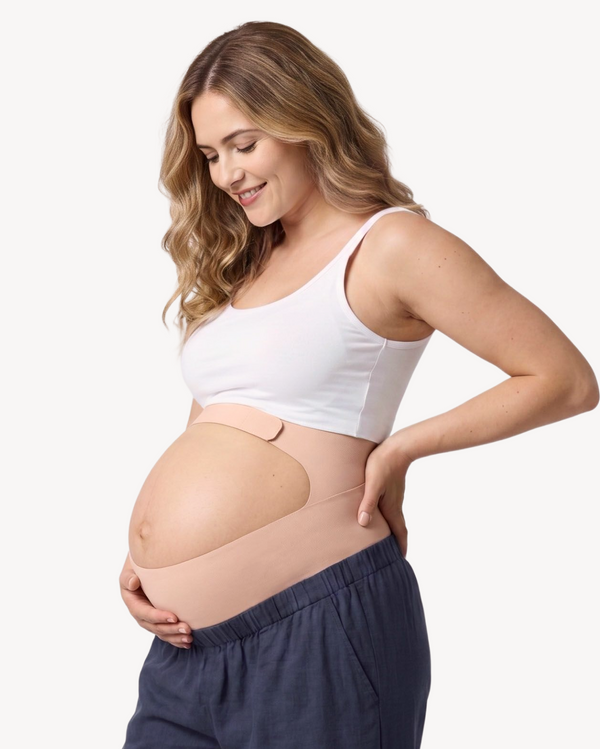
For more pregnancy comfort support, browse our pregnancy belt collection.



When to Consult a Doctor
While some swelling is normal, be mindful of sudden, extreme, or persistent swelling that doesn’t improve with rest. Signs of preeclampsia-related swelling include:
- Rapid onset swelling
- Swelling that persists overnight
- Accompanying symptoms such as headaches, vision changes, breathing difficulty, shoulder pain, nausea, vomiting, or sudden weight gain
If you experience these symptoms, seek medical evaluation immediately. A doctor may conduct tests such as urinalysis and blood pressure monitoring to rule out complications.
How to Reduce Swelling in Hands and Feet in Pregnancy
Everyday habits that support both hands and feet:
Stay hydrated and limit extra sodium
Move regularly; avoid long static standing or sitting
Rest with feet up; keep wrists neutral
Sleep on your left side with pillow support
Use compression socks and/or a wrist splint as advised
Stay cool in hot weather
If home care is not enough, ask about hand therapy or other pregnancy-safe options for carpal tunnel.
When to Worry About Swelling in Hands and Feet During Pregnancy
Gradual swelling that improves with rest is usually normal. Sudden swelling in the face, hands, or feet—especially with other symptoms—can be preeclampsia and needs same-day urgent advice.
What Are 5 Warning Signs of a Possible Problem During Pregnancy?
Contact your midwife, GP, or labor ward immediately if you have:
Sudden increase in swelling in your face, hands, or feet
A very bad headache, or a headache that will not go away
Vision problems (blurring, flashing lights, spots)
Severe pain under the ribs, or new nausea/vomiting after mid-pregnancy
Feeling very unwell, short of breath, or chest discomfort
Also seek urgent care for one-sided leg swelling with pain (possible DVT).
Does Swollen Hands Mean Preeclampsia?
Not by itself. Many people have swollen hands from normal pregnancy fluid retention. Swollen hands are more concerning for preeclampsia when they appear or worsen suddenly, or show up with high blood pressure, headache, vision changes, upper abdominal pain, or sudden weight gain. When unsure, call your provider—do not wait to “see if it settles.”
Is It Preeclampsia or Just Swollen Feet?
Typical pregnancy swelling often builds slowly, is worse at day’s end, affects both feet, and improves when you lie down. Preeclampsia-related swelling may come on fast, involve the face or hands as well as feet, and pair with the warning signs above. Only a clinical check (blood pressure, urine, exam) can confirm—so sudden or symptomatic swelling should be assessed promptly.
Does Preeclampsia Make Your Hands Tingle?
Preeclampsia is mainly linked to blood pressure and organ changes; classic hand tingling in pregnancy is more often from fluid-related carpal tunnel. That said, sudden hand swelling with preeclampsia warning signs is never something to ignore. If tingling comes with severe headache, vision changes, or abrupt swelling, seek medical care right away rather than assuming it is “just carpal tunnel.”
Final Thoughts
Your body provides important signals during pregnancy. While tingling hands and swollen feet are often harmless, monitoring symptoms and consulting a healthcare provider when necessary ensures your well-being. If something feels off, don’t hesitate to seek medical advice.








