Pregnancy swelling often improves with steady hydration, gentle movement, foot elevation, supportive compression, cooler temperatures, and small food and footwear adjustments. Sudden, painful, one-sided, or rapidly worsening swelling needs prompt medical care.
Do your shoes feel fine at breakfast but impossible by dinner, or do your fingers look puffy when you wake up? Small daily changes, such as elevating your feet for 15 to 20 minutes, walking in short bursts, and drinking enough water, can make swelling feel noticeably more manageable within the same day. Here is how to tell normal pregnancy puffiness from warning signs, and what can help your feet, ankles, hands, and legs feel lighter.
Why Pregnancy Swelling Happens
Pregnancy swelling, also called edema, happens when extra fluid collects in your tissues. It is common because your body makes more blood and fluid to support your baby, while your growing uterus can slow the return of blood from your lower body back to your heart. Ankle swelling during pregnancy is usually linked to fluid retention, vein pressure, slower circulation, and hormonal changes.

The pattern matters. Normal swelling tends to build gradually, feel worse later in the day, and show up more in the feet, ankles, and lower legs after standing, warm weather, or a busy errand day. Hands may feel puffier in the morning. If you press a finger gently into your ankle and it leaves a temporary dent, that can happen with ordinary fluid retention, though it should still be watched in context.
For example, if you spend two hours standing at a baby shower in warm weather, your ankles may look fuller afterward because fluid has pooled downward. If you rest on your left side, drink water, and elevate your feet, gradual swelling often softens. That is different from sudden swelling in your face or hands with a headache or vision changes.
When Swelling Is Not “Just Pregnancy”
Most pregnancy swelling is uncomfortable rather than dangerous, but some patterns deserve fast attention. Sudden painful swelling, especially in one leg, can be a warning sign of a blood clot. Rapidly worsening swelling, sudden swelling of the face or hands, or swelling with severe headache, vision changes, shortness of breath, chest pain, or upper abdominal pain can point to blood pressure problems or preeclampsia.
Do not try to wait out swelling that feels dramatically different from your normal. Call your OB, midwife, labor unit, or urgent care line if one calf is painful, red, warm, or much larger than the other. Avoid massaging or rubbing the affected leg, as this can be dangerous if a blood clot is present. The same goes for puffiness around the eyes, blurred vision, or a severe headache that does not feel like your usual headache.
Swelling alone does not diagnose preeclampsia, but it can be one clue when paired with other symptoms. That distinction is important because ordinary edema responds to comfort care, while blood pressure complications need medical monitoring.
Hydration Helps More Than Restricting Fluids
It can feel backward to drink more water when your feet are already swollen, but cutting fluids can make your body hold on tighter. Typical fluid intake during pregnancy is about 10 cups per day, and ankle swelling by itself is not a reason to reduce fluids.

A practical rhythm is to keep a large water bottle nearby and sip steadily from morning through late afternoon, rather than trying to catch up at night. If plain water turns your stomach, try chilled water with cucumber or lemon, or pair water with small snacks so it feels easier to tolerate. For parents who use a wearable breast pump later postpartum, this steady hydration habit can also carry over into feeding routines, when thirst can hit suddenly.
Hydration supports circulation and kidney function, which helps your body process extra fluid. You may need more bathroom breaks, especially in the third trimester, but that is usually healthier than under-drinking because you are worried about puffiness.
Move Often, But Keep It Gentle
Gentle movement helps your calf muscles act like a pump, pushing blood and fluid upward instead of letting it settle in your feet. Regular walks and foot exercises may improve circulation and reduce ankle swelling.
You do not need an intense workout. If you work at a desk, stand up every 30 to 60 minutes, roll your ankles, and take a slow walk to refill your water. If you are on your feet at work, shift your weight, sit when you can, and plan a feet-up break when you get home. A five-minute walk after lunch and another after dinner can be more realistic than one long workout when your pelvis and back already feel loaded.
Swimming or simply standing in a pool can feel especially good because water pressure gently compresses leg tissue. It can bring relief without adding joint strain, but access is not always practical. If you do use a pool, choose safe footwear on wet locker-room floors and take your time.
Elevate Your Feet the Right Way
Elevation works best when it is frequent and comfortable. Elevating the feet can encourage circulation, especially after work, errands, or long periods of standing.
Try placing your calves and feet on pillows for 15 to 20 minutes while lying on your left side or reclining. If you can get your feet slightly above heart level, even better, but do not force a position that strains your hips or belly. A real-world setup might be a couch, two firm pillows, a glass of water, and your phone timer set for 20 minutes while dinner is in the oven.

The benefit is quick comfort, especially at the end of the day. The limitation is that swelling may return when you stand again, so think of elevation as a repeatable reset rather than a permanent fix.
Use Compression Thoughtfully
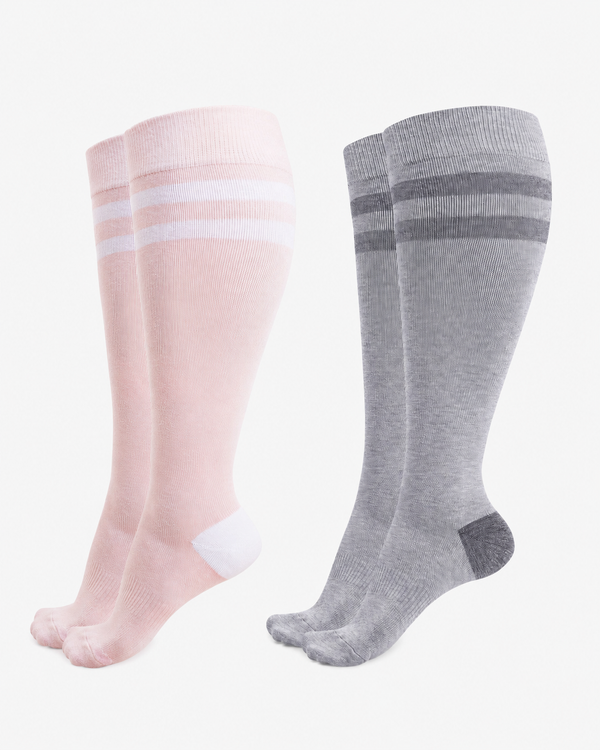
Compression socks or maternity support stockings can reduce pooling by applying gentle pressure to the legs. Compression socks are often recommended to help increase blood flow and reduce swelling, especially when standing or sitting for long periods.
Graduated Compression
Soft and Breathable
Snug Fit
Pregnancy & Postpartum
Fit matters. Put them on in the morning before swelling peaks, and avoid socks that dig sharply into the calf or ankle. If you have varicose veins, blood pressure concerns, a history of clots, or swelling that is painful or one-sided, ask your clinician what type and pressure are appropriate before buying. Some people do better with maternity compression tights than knee-high socks because tight bands can create a new pressure point.
Compression offers steady support during the hours you need it most, such as commuting, nursing shifts, teaching days, flights, or long baby-registry errands. It can also feel hot or hard to pull on late in pregnancy, so breathable fabric and correct sizing are worth prioritizing.
Adjust Salt, Potassium, and Caffeine Without Going Extreme
Food does not cause all swelling, but it can make a noticeable difference. High-sodium foods can encourage water retention, especially processed meats, salty snacks, pizza, canned foods, condiments, and some breads or packaged meals.
This does not mean eliminating sodium. Pregnancy bodies still need electrolytes. A more practical approach is to swap one salty convenience meal per day for a balanced plate with protein, produce, and a potassium-rich food. Potassium helps balance sodium and fluid regulation, and common options include bananas, sweet potatoes, potatoes with skin, avocado, spinach, beans, lentils, and yogurt.
Caffeine is another lever. Too much can contribute to dehydration for some people, and pregnancy guidance often caps caffeine around 200 mg per day. If you notice puffiness after a coffee-heavy morning, try alternating coffee with water or switching one cup to peppermint or chamomile tea, if your clinician says herbal teas are appropriate for you.
Choose Shoes and Clothing That Do Not Fight Circulation
Tight ankle bands, narrow shoes, high heels, and restrictive waistbands can make swelling feel worse because they limit circulation. Comfortable shoes and socks are a simple but powerful part of swelling relief.

Pregnancy can flatten, widen, or lengthen the feet as hormones loosen ligaments and body weight increases. If your old sneakers pinch, it is not vanity to size up or choose a wider toe box. Supportive slip-on sneakers, cushioned sandals with arch support, and roomy socks can make errands safer and more comfortable.
A practical test is the end-of-day fit check. If your shoes leave deep marks or your socks create tight rings, they are probably working against you. The best footwear gives support without squeezing, especially if you are carrying extra weight, managing pelvic pressure, or standing for long stretches.
Cooling, Massage, and Topical Comfort
Heat often makes pregnancy swelling worse. Cold compresses and clinician-approved pool time can reduce discomfort when your feet feel hot, tight, or heavy.
A cool foot soak for 5 to 10 minutes, a cold washcloth around the ankles, or a brief cool shower spray on the legs can help after a warm day. Gentle upward massage from feet toward ankles and calves may also feel soothing. Keep pressure light, avoid deep painful work, and skip massage over a red, hot, or painful area until a clinician has ruled out a clot.
Cooling creams can be pleasant, especially when scent sensitivity is high. Choose pregnancy-conscious products with a light scent, and avoid relying on creams as a medical treatment. They may offer immediate sensory relief, but they do not address the circulation and fluid causes underneath, so they work best alongside hydration, movement, elevation, and compression.
A Simple Daily Swelling Routine
Morning is the best time to set yourself up before fluid settles downward. Start with water, comfortable shoes, and compression if your clinician has cleared it. During the day, change position often, take short walks, and avoid letting your feet dangle for hours. In the evening, elevate your feet for 15 to 20 minutes, cool your ankles if they feel tight, and sleep on your left side when comfortable.
If you are postpartum, swelling can briefly continue as your body sheds pregnancy fluid. Leg and ankle swelling often improves within one to two weeks after birth, but call your care team for the same red flags: one-sided pain, chest symptoms, severe headache, vision changes, or sudden face and hand swelling.
FAQ
Is pregnancy swelling worse in summer?
Yes, heat can make swelling more noticeable because blood vessels widen and fluid pools more easily. Shade, breathable shoes, cooler showers, fans, pool time, and shorter outdoor errands can help.
Should I stop drinking water if my ankles are swollen?
No. Swelling alone is not a reason to restrict fluids. Steady hydration usually supports your body’s ability to move and process extra fluid.
Are swollen hands normal in pregnancy?
Mild hand puffiness can happen, especially in the morning. Sudden hand swelling, swelling around the eyes, headache, vision changes, or feeling very unwell should be checked promptly.
Do compression socks always help?
They help many people, especially during long standing, sitting, or travel. They need to fit properly, and anyone with painful one-sided swelling, clot history, severe varicose veins, or blood pressure concerns should ask a clinician first.
Pregnancy swelling is often your body asking for circulation support, cooler conditions, and more rest between demands. Hydrate steadily, move gently, elevate often, wear supportive gear, and call quickly when swelling changes suddenly or feels wrong.