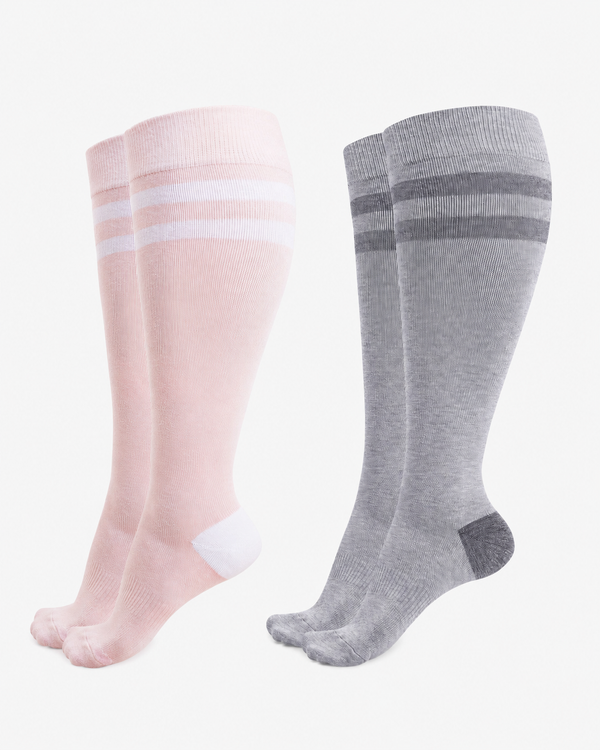
Compression socks during pregnancy are a simple yet powerful way to support your legs and overall comfort. A changing body, swelling, pains in the legs, and issues with circulation are likely to be common issues. These are special socks designed to alleviate the pain, remove varicose veins and improve daily movement. At the workplace, on the road, or even when you are back at home, a couple of compression socks will definitely make you feel a lot better in all trimesters and make you feel more refreshed and supported.
What Are Compression Socks?
Compression socks are special kinds of stockings that squeeze your legs slightly to improve the circulation of blood. Instead of just regular socks, they have graduated pressure, and the socks are tighter at the ankle and looser at the top of the leg, to help the veins in their effort to pump blood back to the heart. This may be of special value to pregnant women, given that swelling, leg weary, and varicose veins are typical symptoms of pregnancy. The benefits of compression socks are to reduce discomfort, better circulation, and make your legs feel lighter during the day, which is provided by the added support.
Benefits of Wearing Compression Socks During Pregnancy
Not only are compression socks comfortable to wear during pregnancy, but they also have health benefits for moms-to-be. Some of the key advantages include:
-
Enhances daily comfort: Makes the legs feel lighter, especially when standing or sitting longer periods. The combination of support medical, medical-grade, and soft breathable material, as presented by the Momcozy Compression Socks for Pregnancy Women, is a supportive pair that can be used daily during pregnancy.
Graduated Compression
Soft and Breathable
Snug Fit
Pregnancy & Postpartum
-
Reduces swelling: Swelling can be reduced and is applied to reduce the existence of fluid in the legs, ankles and feet.
-
Improves circulation: Improves normal circulation of blood, which minimizes the risk of blood clots.
-
Eases leg pain and fatigue: Gives a light massaging pressure, relieving heaviness and pain.
-
Prevents varicose veins: The strains on the veins are reduced, and this prevents or can be controlled.
When to Wear Compression Socks During Pregnancy
Put compression socks on in the morning before swelling builds. Common times to wear them during pregnancy include:
- Morning through the daytime for everyday swelling and heaviness
- Long hours standing or sitting at work
- Travel days (flights, long car rides) to support circulation
- Light exercise (walking, prenatal yoga), if your provider says activity is OK
- Days with noticeable ankle/foot puffiness
Many people start when swelling or vein discomfort begins—often later in pregnancy—but timing varies. Ask your healthcare provider when to start, especially if you have clot history or prescribed medical-grade compression.
How Long to Wear Compression Socks During Pregnancy
Most pregnant people wear compression socks through the day—often from morning until evening—especially on high-swelling or long-sitting/standing days. A practical pattern:
- Put them on in the morning
- Wear for several hours up to the full daytime
- Take them off before bed unless your doctor says otherwise, so skin and legs can rest overnight
“How long” depends on comfort, fit, and medical advice. If socks leave deep marks, cause numbness, or feel painfully tight, remove them and check sizing with your provider. Daily use works best when the fit is correct and the fabric stays comfortable.
Things to Consider When Choosing Compression Socks
Choosing the right compression socks during pregnancy ensures comfort and effectiveness. Keep these factors in mind:
Level of Compression
- Mild (15–20 mmHg) is usually enough for pregnancy, helping reduce swelling and fatigue.
- A doctor may recommend higher levels for medical concerns.
Size
- Proper fit is essential. Too tight can cause discomfort, while too loose won’t provide enough support.
- Measure your legs (ankle, calf, thigh) to find the right size.
-
Other Factors
-
Material: Find fabric that is comfortable all day long, breathable and stretchable.
-
Length: You can choose knee-high, thigh-high or maternity pantyhose styles, based on your requirements.
-
Ease of use: Consider how easy they are to put on and remove.
-
Style: Choose colors or patterns that make you feel good wearing them daily.
How to Put on Compression Stockings During Pregnancy
Wearing compression stockings may initially feel awkward, particularly when you have a swollen belly, but there are several tricks to it:
-
Start in the morning– put them on before swelling begins.
-
Sit comfortably– sitting down gives you better balance and control.
-
Gather the stocking– roll it down to the toe, creating a pocket for your foot.
-
Slide your foot in– put the toes inside and pull the stocking over your heel.
-
Unroll upward– slowly unroll the stocking up your leg, smoothing out wrinkles.
-
Check for comfort– the garment should be tight, not excessively tight.
When to See Your Doctor
The compression socks are said to be harmless during pregnancy, but there are instances when you must consult your medical practitioner:
- Severe swelling on one leg, especially when it appears to have just suddenly appeared.
- Continued pain, redness, or heat of the leg (could indicate a clot of blood).
- Numbness or tingling when wearing compression socks.
- Discomfort or worsening symptoms even with proper use.
- Lack of confidence over the compression level that suits you best.
Your doctor can tell you what pressure level to use as well as make sure that you are using them safely to get the best out of them.
FAQ
How do I get compression stockings for pregnancy, and how much do they cost?
They are available online, in maternity stores and in a pharmacy. They are priced at around $15-50, depending on the brand, style, and the level of compression. In case of medical-grade stockings, a prescription from a doctor might be required.
Do compression stockings help with nausea and dizziness in pregnancy?
Not directly. Compression stockings mainly support circulation and reduce swelling. However, by improving blood flow, they may help ease lightheadedness caused by poor circulation. For persistent nausea or dizziness, consult your doctor.
Can I wear compression socks all day?
Yes, it is okay to wear them during the whole day, provided they are comfortable and not too tight. You should never leave them in before going to sleep without recommendation by your doctor.
Should I continue to wear compression stockings during pregnancy in summer?
Yes. Even in hot conditions, compression stockings can be used to prevent swelling and pain. Wear light and breathable garments to be more comfortable.
Can I fly while pregnant with compression stockings?
Absolutely. Actually, compression stockings are very advisable during air travel during pregnancy because they are used to avert any chances of swelling and blood clots during long flights.
When should I start wearing compression socks while pregnant?
Many people start when swelling, heaviness, or varicose discomfort appears—often in the second or third trimester—or earlier if a clinician recommends them (for example, travel or clot-risk concerns). Follow your provider’s advice.
Is 20/30 mmHg compression socks too much for pregnancy?
Not always—but it can be too much if you don’t need medical-grade firmness. Many choose 15–20 mmHg first. Use 20–30 mmHg only if recommended for your situation, and confirm fit with your clinician.
What helps swollen feet during pregnancy?
Try morning compression socks, elevating feet when you can, staying hydrated, moving regularly on long sits, and comfortable footwear. Persistent or one-sided swelling needs medical review.
What to avoid during the first trimester?
This article focuses on compression socks, which many people don’t need until swelling starts later. In the first trimester, prioritize clinician guidance on medications, alcohol, smoking, and high-risk activities. Ask your provider before starting compression wear if you have vascular concerns.
Conclusion
Pregnancy compression socks offer the relief needed by pregnant women who experience swelling, fatigue and circulation problems, and thus make life easier during pregnancy. By selecting the correct pair and wearing it consistently, pregnant women can avoid discomfort, keep their legs healthy, and enjoy increased mobility. Such minor measures may help a lot in promoting general wellness during pregnancy.