


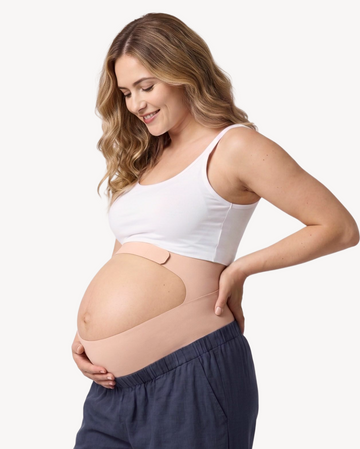
Are you pregnant and feeling pain in your pelvic area and lower back? That may be SI joint pain—talk with your prenatal provider to confirm.
Your sacroiliac joints connect your spine with your pelvis and help support the weight of your upper body. During pregnancy, these joints can come under extra strain, which may make walking, standing, or turning in bed uncomfortable. If you’re looking for added support, an SIJ belt for pregnancy is one option you may come across.

What Is a Sacroiliac Pregnancy Support Belt?
A sacroiliac (SI) pregnancy support belt is a product that helps relieve SI joint pain. You wear it around your hips and pelvis to provide gentle compression and support around the SI joints. That helps stabilize them, reducing pain and discomfort.
Is SI Joint Pain Common During Pregnancy?
Indeed, SI Joint pain is common in pregnancy. Many changes that happen to your body during pregnancy contribute to it. They put extra pressure on these joints. For one, your growing baby and belly change your posture. This change in your center of gravity affects your lower back and your pelvis. Your body also releases a hormone called relaxin to prepare you for childbirth. This hormone softens and loosens the ligaments around your pelvis. This can also lead to SI joint pain.
What Makes SIJ Pain Worse?
Too little movement and too much movement can make SIJ pain worse. These activities put extra strain on your sacroiliac joints.
- Too little movement - Sitting or standing for extended periods can place ongoing stress on the muscles and joints around the pelvis.
- Too much movement - Repeated bending, twisting, lifting, or other jarring movements can also put extra stress on the SI joints. During pregnancy, this may make pain around the lower back and pelvis worse.
- Poor sleeping habits - Sleeping on the side that hurts can put more pressure on the painful SI joint and make the pain worse.
- Asymmetrical standing - Standing with more weight on one leg can put uneven pressure on the pelvis and SI joints.
SIJ Belt for Pregnancy: Benefits and How It Works
An SIJ belt can help reduce the pain and discomfort you may feel. It can support your upper body and improve your mobility.
Pain Relief and Support
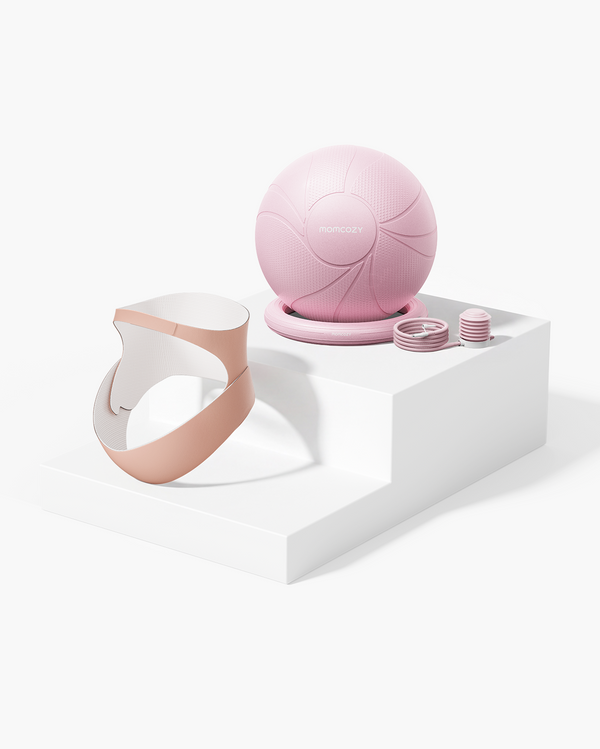
SIJ belts and maternity belly bands are designed for different kinds of support. An SIJ belt sits around the pelvis, while a maternity belly band supports your growing belly from underneath. The BumpEase - Momcozy Ergonest Maternity Belly Band uses an ergonomic support structure to lift the belly and help take some of the pressure off the lower back and pelvic area. That extra support may ease some of the strain that comes with SI joint discomfort, particularly during everyday activities like walking or standing. Just keep in mind that it’s a maternity support band, not an SIJ belt or a treatment for SI joint pain.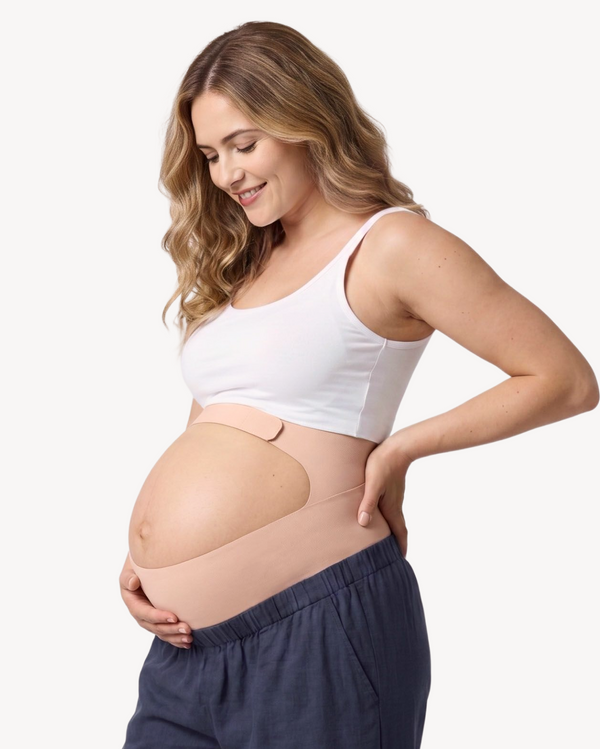
 Member price
$119.89Code Save 20%
Member price
$119.89Code Save 20%
Improved Pelvic Alignment and Mobility
An SIJ belt can provide gentle support around the pelvis, which may help keep the pelvic joints more stable while you're moving. This added support can make walking, standing, and changing positions feel more comfortable for some people.
More Confidence When Moving
SI joint pain may make you cautious about movements, fearing that they will cause discomfort. Wearing an SIJ belt gives you more confidence since you know you have more support. It makes movement more comfortable.
What Is the Difference Between a Pregnancy Belt and an SI Belt?
SI belts and pregnancy belts are different because they support different body parts.
SI belts wrap around your lower hips. They support your pelvic and sacroiliac joints by compressing and locking them. Meanwhile, pregnancy belts wrap around your abdomen and lower back. Their purpose is to lift the growing belly weight.
Momcozy belly bands can give your growing belly a little more support when extra weight starts making everyday movement uncomfortable. Depending on the style, you’ll find adjustable straps, breathable fabrics, under-bump support, and back support designed to stay in place as your bump grows. Some are made for lighter everyday support, while others offer more structure for longer periods of standing, walking, or activity.

How to Relieve SI Joint Pain While Pregnant
Here are things that can help relieve SI joint pain when you're pregnant.
How to Relieve SIJ Pain in Pregnancy
There are many ways to manage SIJ pain during pregnancy. You can choose what's best for you by looking at what triggers your pain and how severe it is.
Keep Moving Gently
Suppose you feel pain when you're not moving for a long while. Avoid staying in one position for too long. At the same time, also avoid activities that clearly make your pain worse. Look for activities that need only gentle movement. It can help prevent stiffness without putting too much stress on the pelvis.
Balance on Both Feet
Standing in a way where only one leg supports your weight often makes the pain worse. So be mindful of your posture. Always try to keep your weight balanced between both legs. You should also avoid movements that force one side of your pelvis to move much more than the other.
Consider an SIJ Support Belt
An SIJ belt can provide support around the pelvis. It may reduce discomfort during activities that trigger your pain. However, proper use is required. Wearing an SIJ belt should not make you feel restricted. Otherwise, it may increase the discomfort instead.
For another kind of support, Momcozy belly bands are made to support the growing belly and help take some of the strain off the lower back and pelvis. Their adjustable designs let you change the fit as your bump grows, making them useful for everyday activities when you’re spending more time on your feet.
Use Support When Sleeping
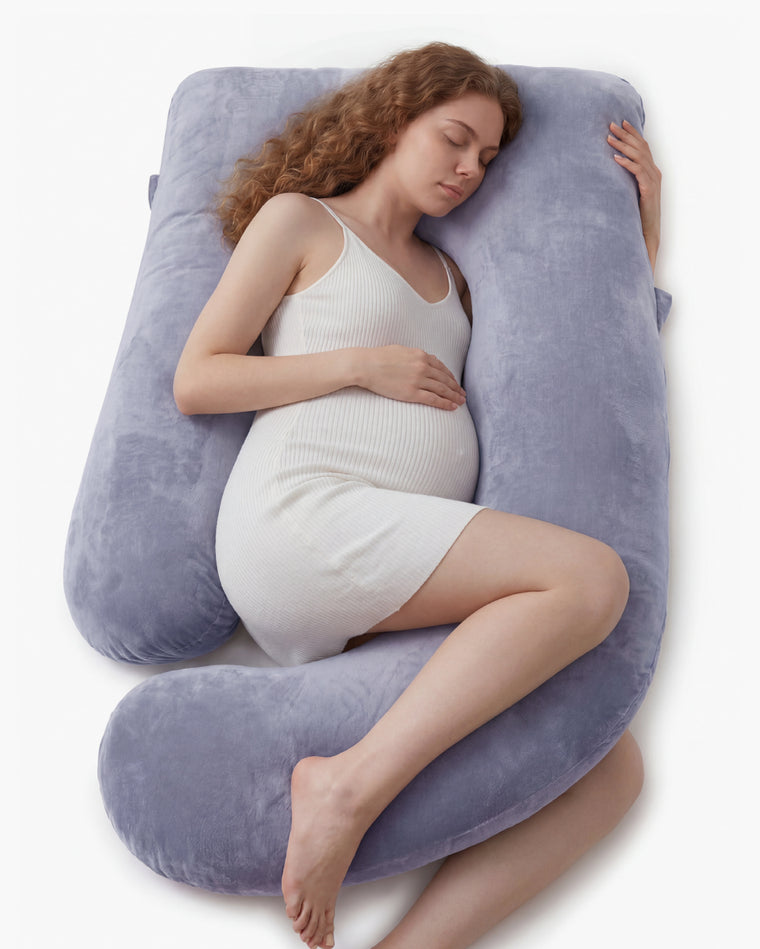
Is the pain greater at bedtime? Sleeping on the side that feels more comfortable may help solve the problem. Put a pillow between your knees when you sleep to further reduce discomfort. Then, add another pillow under your belly to stop your growing bump from pulling downward.
For more flexibility at night, Momcozy pregnancy pillows give you a few ways to get comfortable as your body changes. There are smaller options for supporting your belly or legs, along with fuller-body styles when you want more support while sleeping. The Momcozy Huggable - U Shaped Maternity Body Pillow wraps around both sides of your body, giving your belly, back, hips, knees, and legs support without having to pile several pillows on the bed. It can also double as a cozy support pillow when you’re sitting up in bed or relaxing during the day.
Physical Therapy and Complementary Treatments
Physical therapy or targeted exercises can help relieve SIJ pain. They can help stabilize and strengthen your core and back muscles. This allows them to support your growing baby bump better. It's better to work with a physical therapist compared to doing it alone. They can guide you and help ensure your safety during the exercises.
Alternative or complementary treatments are also available. You can get a massage, acupuncture, or chiropractic care. Of course, you should consult your doctor first before trying these. Also, you should find an expert who's experienced in working with pregnant women.
How to Wear an SIJ Belt for Pregnancy
SIJ belts don’t all fit or sit the same way. The design can affect where the belt sits and how you adjust it, so start with the instructions that come with your specific belt. Research suggests that belt position can affect how a pelvic belt supports the SI joints, so use the steps below as a general guide and adjust them to suit your belt.
- Place it around your pelvis. SIJ belts generally sit low around the pelvic area rather than high around your waist.
- Check the position. Make sure the belt is sitting where your specific product recommends, as some designs may position slightly differently.
- Adjust the fit. Fasten or tighten it until it feels comfortably supportive, not painful or restrictive.
- Move around and check the fit. Walk, sit, or change positions to make sure the belt stays comfortable and doesn’t make your symptoms worse.
Can I Wear an SI Belt While Pregnant?
Yes, you can wear an SI belt while you are pregnant. Many moms choose to do so to reduce the discomfort that they're feeling. But keep in mind that how long you should wear it varies. It depends on the style of the SI belt and the advice of your physician. That said, consult your physician first before buying one.
When Should You Start Wearing a Pregnancy Support Belt?
Timing varies from person to person, but it's usually good to start at the second trimester. The second trimester is the time when the baby bump grows larger. As such, it's the time when it starts to affect your hips and pelvis.
Should I Wear an SI Joint Belt All Day?
You do not necessarily need to wear a pregnancy SIJ belt all day. It is generally more useful during activities that put weight through the pelvis. That includes standing and walking. You may want to loosen or remove it when sitting for long periods, particularly if it becomes uncomfortable.
Is It Okay to Sleep With an SI Belt?
An SIJ belt is generally intended to support the pelvis during weight-bearing activities such as standing, walking, or sitting. For nighttime discomfort, it may be more comfortable to leave the belt off and lie on the side that feels better, with a pillow between your legs and another under your bump. Momcozy pregnancy pillows can make this setup easier, with different shapes for the kind of support you need. Wedge styles can support your belly or back, while larger designs cushion your belly, hips, knees, and legs.
What to Look For in an SIJ Belt for Pregnancy
Here are the qualities you should look for in an SIJ belt for pregnancy:
- Adjustable fit - A good SIJ belt lets you adjust the straps or Velcro. It allows you to change the fit as your baby bump grows.
- Low pelvic placement - A pelvic support belt should sit around the pelvis and under your baby bump. It should not sit high around the waist.
- Comfortable support - The SIJ belt should in no way make you feel restricted. You should be able to move comfortably while wearing the SIJ belt.
- Soft, flexible material - Softer belts typically are more comfortable for movement and everyday activities.
- Correct size - Check the manufacturer's measurement guide rather than choosing based on your usual clothing size.

FAQs
What Are the Risks of Wearing an SI Joint Belt?
You may get too used to wearing an SI Joint belt, which can lead to over-dependency. Wearing the belt too tightly can also cause discomfort, put too much pressure on the area, irritate the skin, or make movement feel restricted. The belt should feel supportive, not tight or uncomfortable.
Does SI Joint Pain Go Away After Pregnancy?
Yes, SI joint pain usually improves after giving birth, with most women recovering within the first few months. However, some women may continue to experience related pelvic girdle pain three years after delivery
Can I Wear an SI Belt in the First Trimester?
Yes, you may be able to wear one, but research specifically on SIJ belts in the first trimester is limited. Pelvic support belts have been studied during pregnancy, so check with your healthcare provider to see whether one is right for you.
How Tight Should an SI Belt Be During Pregnancy?
It should feel supportive, not restrictive. Follow the fit and adjustment instructions for the specific belt you’re using, since different designs may fit differently. If it feels painful, numb, or too restrictive, loosen it or take it off and check with your healthcare provider.
Do I Need a Prescription for an SI Belt?
You don't need a prescription to buy an SI belt. However, we still recommend talking to a physician before using one. They'll assess your situation and inform you about how to use it and the risks.
Conclusion
An SIJ pregnancy belt helps your pelvis support your upper body during pregnancy. It helps relieve pain and ease discomfort. Using one is considered generally safe. However, proper usage must be observed. It should not be too tight, and putting it on should not be a struggle.








