Sharp stabbing pain on the right side after a C-section is a very common problem, and panic is inevitable among new moms, particularly when this happens in the first few days of postpartum. This type of pain is mostly related to the normal healing process when you have muscles, incision and nerve healing after surgery. Even though you should expect certain sharp twinges, being aware of the possible causes, the period during which the pain is expected to be experienced, and the means of alleviation that are likely to assist you in getting over the discomfort is likely to make you handle the issue. The best way of making sure that your recovery is safe and comfortable is knowing how to know when you need to visit the doctor while caring for your newborn.
Why Do I Have Pain on My Right Side After a C-Section?
Pain on the right side that occurs after a C-section is normal and is usually related to the normal post-surgery healing of the abdomen. Several evidence-based factors can contribute:
-
Surgical healing and inflammation: C-section is a surgical procedure that involves cutting of the skin, muscle and the uterine wall. The inflammation can cause some local pain during the healing of these layers, and this pain may be more acute on one side.
-
Nerve irritation or regeneration: During a surgical procedure, a small nerve is easily pulled or cut. When regenerated, they may develop a sharp, stabbing, burning or tingling sensation or pain that is stronger on the right.
-
Muscle strain and imbalance: The muscles of the abdomen and core become weak due to pregnancy and surgery. It could happen that when you begin to stand, twist, cough or pick up your baby, you will find one side strained more than the other side.
-
Gas and bowel changes: Anesthesia and reduced movement can slow down intestinal motility (a condition called postoperative ileus), which causes gas to build up in the intestines. In laparoscopic or abdominal surgeries, carbon dioxide (CO₂) is also used to inflate the abdominal cavity, and some of this gas can temporarily remain in the abdomen.The pain is normally sharp and is localized on one side of the abdomen.
-
Scar tissue formation: Internal tissues are recovering, and this can result in the formation of scar tissue or tight scar tissue, which will pull against one side, resulting in pain.
-
Posture and daily activities: When you get out of bed, pick up your baby, even when you are breastfeeding, you do it on one side, which puts even greater stress on the right abdominal muscles.
In the majority of cases, the right side pain will tend to react slowly as the healing progresses. However, pain that worsens, is severe or is accompanied by fever, redness, bloating, or abnormal discharge should be re-evaluated by a medical practitioner.
How to Relieve Sharp Stabbing Pain on the Right Side After a C-Section
Most of the time, rest, light movement and proper support can be integrated in order to alleviate the sharp stabbing pains on the right side during a C-section. The following approaches are supported by postpartum recovery guidance and clinical recommendations:
-
Take pain medication as directed: Take pain medications, or over-the-counter pain medications, which can be prescribed by a doctor to aid in reducing inflammation and pain, especially in the initial weeks of healing.
-
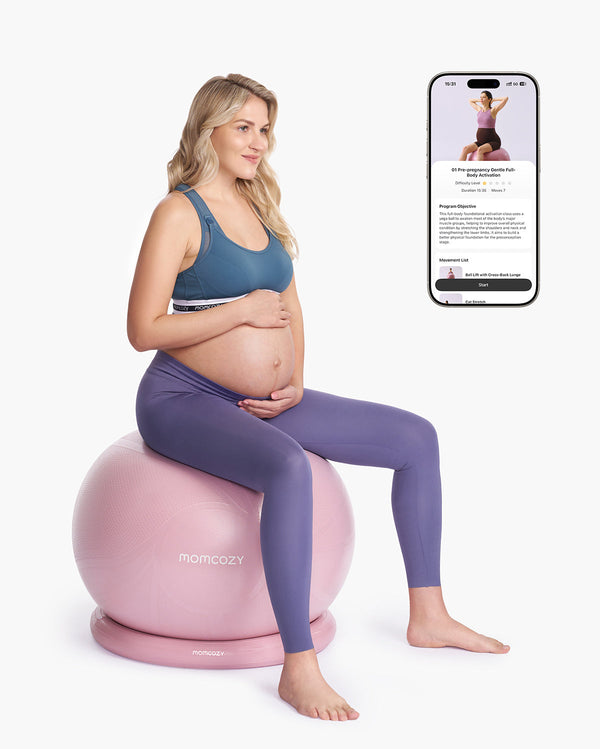
Move gently but regularly: Short, slow walks will reestablish the circulation of blood, stiffness and gas pain, which are common results of sharp abdominal pain after surgery. For a more guided recovery, the Momcozy BirthEase Maternity Ball Set offers a secure way to rebuild core stability. Made from anti-burst, BPA-free PVC with a reinforced base, this 65 cm ergonomic ball supports up to 330 lb, providing a stable surface for gentle pelvic tilts that relieve surgical tension. By using the Momcozy App, you can access expert-led postnatal video courses specifically designed to help you move safely. These personalized workouts and progress tracking features ensure you are strengthening your body without overexertion, while the included foot pump and "Cozy Mom Lifestyle Guide" e-magazine provide extra support for your wellness journey.
Anti-Burst Design
Stability Base Included
Guided Training Program
-
Support your abdomen when moving: When you move, such as coughing or laughing, make sure you press a pillow against the incision to lessen the strain and the sharp pain.
-
Use heat for muscle-related pain: A warm compress to the abdominal part (not over the abdominal incision) would relax tight abdominal muscles and eliminate spasms.
-
Maintain good posture: By sitting and standing straight, the pressure on recovering abdominal muscles will be removed, and an even distribution of the force on the same side of the body will be achieved.
- Wear supportive postpartum compression:
Once approved by your healthcare provider, a supportive belly wrap, such as the Momcozy Ergowrap Postpartum Belly Wrap, can be beneficial in order to support the midsection, improve your posture, and reduce the pulling pains in daily life. Its adjustable feature makes it comfortable, and, due to its design, permits doing common positions such as standing, bending or holding your baby easier during the initial weeks of the healing process.
Postpartum
Support
Comfort
Effectiveness
-
Stay hydrated and eat fiber-rich foods: Constipation and bloating prevention reduces abdominal pressure, which enhances sharp pain.
-
Avoid heavy lifting and sudden twisting: Giving the body a chance to rest is important by not taxing the abdominal muscles through straining motions.
When the sudden pain is still present after a few weeks, worsens and is accompanied by fever, redness, swelling, and unusual excretions, contact your healthcare specialist and have them checked.
When to Worry About C-Section Pain
The degree of pain following a C-section is standard, yet certain of the symptoms could be indications of a complication and cannot be overlooked. You should contact your medical professional or seek medical attention in case you have any one of the following:
- Excessive or chronic pain that does not respond to rest or pain medication.
- Pain that becomes sharper as time progresses rather than improving.
- The signs of infection can be warmth, redness, swelling or pus near the incision.
-
Fever over 100.4°F (38°C) or chills
- Foul vaginal discharge or heavy bleeding that would soak more than a pad an hour.
- Breaking of the incision or apparent parting of the sewing.
- Chronic and one-sided pains in the abdomen, lasting longer than a few weeks, or deep-rooted and constant pains.
- Obstruction of the bowels, trouble in passing urine or pain when passing urine.
- Pain in the chest, leg swelling that needs quick medical care, or difficulty breathing.
Follow your instincts—if it's unusually painful or different from expected healing, it’s always appropriate to reach out to your healthcare provider. Early intervention can prevent more severe complications and guarantee a safer recovery.
Momcozy Prime Big Deals Day is Coming This June 6 - 28!
Get ready to score the biggest discounts of the season on our high-demand breast pumps, bottle washers, nursing bras, and other premium baby gear!
Momcozy Official
June 6 - June 28
Up to 60% OFF
Unlock member check-ins, early coupons, and extended sales post-event.
Shop Direct →
Amazon Store
Limited-Time Run
15% - 25% OFF
Fast shipping on all best-selling essentials. Stock is highly limited.
Shop Amazon →
Side Effects of a C-Section
C-section is a big operation done on the abdomen, hence it is only natural to experience a number of side effects on your body as you heal. Some of the effects are experienced immediately after delivery has been done, and some may be experienced in the weeks after.
The short-term effects of healing in most of the women are pain and tenderness over the incision, swelling, bruising or tight pulling of skin and deep tissues. Numbness, tingling, or a burning sensation around the scar is common after surgery because small sensory nerves are cut or stretched during the procedure. These nerves can temporarily lose function. As the nerves gradually regenerate and reconnect over weeks to months, unusual sensations such as tingling, itching, hypersensitivity, or brief shooting pains may occur Digestive alterations may also involve gas pain, bloating, and constipation due to the fact that anesthesia and pain drugs will temporarily slow down the bowel movements.
Weakness, muscle, and movement inflexibility (especially during standing, twisting, and lifting) may be noted during the healing process. Fatigue is another common side effect, it is determined by the loss of blood during a procedure, hormonal disorders, sleeping disturbances and physical activity due to the maintenance of a newborn. Other women also contain scar tissue (adhesions) internally, which can cause infrequent pulling pains or local discomfort when moving.
In addition to the physical side effects, emotional and psychological side effects also could be the result of a C-section. It may cause mood swings, anxiety, and frustration due to a hormone change, painful experiences, and a longer time of recovery. Most of the side effects will be expected to be better in 4-6 weeks, although it might also require a longer time to heal. It is preferable to visit your doctor when the symptoms become intense and abnormal for proper assessment.
Is Sharp Stabbing Pain on the Right Side Normal After a C-Section?
Yes, acute stabbing pains to the right side after C-section are a normal phenomenon of the postpartum healing process. It is this kind of pain that usually occurs when your body is recovering following a major surgery on the belly, and can be caused by several non-threatening factors:
-
Healing incision and tissues: The surgery incision pierces through the skin, muscle, and fascia. The repair of such layers will undoubtedly give sharp, instant twinges or stabbing pain.
-
Nerve recovery: There is a possibility that small nerves around the surgical site could be stretched or cut during the surgery. During their regeneration, it may lead to stabbing or tingling pain.
-
Muscle strain: It causes the weakening of core muscles during pregnancy and operations. Even minimal actions like standing, twisting, or picking up the baby can cause sharp pain, which disappears quickly and is most likely to affect one part of the body, not the other.
-
Gas or bloating: The gas develops in the stomach, particularly after the surgery, and this results in the emergence of acute local abdominal pain.
Even though a certain degree of sharpness may be anticipated, you may record the frequency and how intense this pain is. Contact your healthcare provider immediately in cases of chronic pain or progressive pain, fever, swelling, redness, abnormal discharge or painful urinating or defecating.
How Long Does Sharp, Stabbing Pain on the Right Side Last After a C-Section?
Though a certain amount of sharp pain is anticipated, you may note how frequent and how intense this pain is. Contact the healthcare provider immediately in case of chronic pain or progressive pain, when there is the presence of fever, swelling, redness, abnormal discharge or difficulty in urinating or defecating. In general, you can expect the following timeline:
-
First 1–2 weeks: In the first few days following surgery, it becomes probable that the pain will be experienced as the anesthesia effect immediately wears off and the body is still striving to resume normal functioning. Movement, coughing, and standing can result in sharp twinges.
-
Weeks 3–6: The pain will improve with time. Stabbing pains are reduced and less severe as the tissues, muscles, and nerves heal. Light exercise, walking, and support assist in accelerating healing.
-
Beyond 6 weeks: Most women still complain of occasional sharp or stabbing pain, particularly during particular movements. Nevertheless, the pain that persists or worsens after this time can be an indication of complications and must be assessed by a medical professional.
Can Breastfeeding Make Pain on the Right Side Worse?
No, there is no correlation between breastfeeding and the onset of sharp stabbing pain on the right side after a C-section. Nursing does not bring the pain but heals the tissues, nerves or muscles.
However, during breastfeeding, it may cause temporary tension to the abdominal muscles and the incision, which may increase the pain that is already present because of poor posture, bending over, or uneven support of the baby.
How to Prevent Right-Side Pain During C-Section Recovery
To some extent, pains after C-section are normal, and there are several ways to reduce sharp stabbing pains on the right side and ensure that this experience is more comfortable:
-
Move gently and regularly: Slow and brief walks assist in the circulation of blood, prevent stiffness, and alleviate gaseous discomfort, otherwise the most frequent cause of sharp pains in the abdomen following the operation. Muscle weakness can also be avoided in the recovery period by increasing the activity gradually.
-
Support your abdomen: You can place a pillow or folded blanket to support your incision to avoid unexpected pain when getting out of bed, coughing, sneezing or standing up. This will help in taking the strain off your muscles.
-
Maintain proper posture: To ensure that the weight is fairly distributed and is not straining one side of your stomach, it is important to sit and stand straight, especially during the breast feeding or when holding your baby.
-
Gradually strengthen core muscles: When your medical professional gives their consent, you can begin low-impact core and pelvic floor exercise. This gradually brings back the firmness of your muscles and will help the part of your incision that can help reduce the sharp twinges.
-
Avoid heavy lifting and twisting: Carrying your infant up a few times without any help or turning them sharply in one motion, subjecting your abdominal muscles to unnecessary stress, can aggravate the pain.
-
Stay hydrated and eat fiber-rich foods: Constipation could be avoided by remaining hydrated and consuming fiber-riched foods, which reduce the abdominal pressure, which is another source of sharp pains on the right side.
With moderate movement, appropriate positioning, gradual core-strengthening, and conscious daily activities, you will be capable of reducing the amount of pain in the right side and afford safer and more comfortable postpartum healing.
FAQs
Why do I have sharp, stabbing pain on my right side after a C-section?
Sharp, stabbing one-sided pain after a C-section is usually nerve-related: the surgery cuts through abdominal nerves, which send shooting or zapping sensations as they heal, often worse with movement. Scar tissue, trapped gas, muscle strain, or a pulling stitch can add to it. Most one-sided twinges are part of normal healing.
Is sharp stabbing pain on one side normal after a C-section?
Yes, in the early weeks it's common and usually normal. Healing nerves and scar tissue often produce sharp, shooting, or pinching pains on one side of the incision, especially when you twist, stand, or cough. It typically eases over weeks to months. Pain that is severe, worsening, or paired with other symptoms needs checking.
How long does sharp stabbing pain last after a C-section?
Incisional and nerve pain is sharpest in the first two weeks, eases noticeably over six to eight weeks, and milder twinges or numbness around the scar can linger for several months as nerves regenerate — some women feel occasional zaps for up to a year. Pain that worsens rather than fades is worth a medical review.
How can I relieve sharp pain on my right side after a C-section?
Support the incision with a pillow when moving, coughing, or feeding, take pain relief as prescribed, and move gently and often to ease stiffness without overdoing it. Warmth, good posture, and a soft postpartum support band can help. Avoid heavy lifting and sudden twisting while the area heals.
Could the sharp pain be trapped gas rather than the incision?
Often, yes. Trapped gas after abdominal surgery is a very common cause of sharp, cramping pains that can feel like they're in the incision or even the shoulder. Gentle walking, warm drinks, and changing position help it pass. If your pain is mainly bloating and wind, see our guide on relieving gas pain after a C-section.
When should I worry about pain on one side after a C-section?
Seek prompt care if the pain is severe or worsening, or comes with a fever, a red, hot, swollen, or oozing incision, foul-smelling discharge, heavy bleeding, or pain, swelling, or warmth in one leg. These can signal infection, a wound problem, or a blood clot. Trust your instincts and get checked.
What does sudden internal pain months after a C-section mean?
Sharp internal pain weeks or months later is often scar-tissue adhesions or lingering nerve sensitivity as healing continues, and is usually not dangerous. But new, severe, or persistent internal pain — especially with fever, bleeding, or bowel or bladder changes — should be evaluated to rule out adhesions or other problems.
Can a postpartum belly wrap help with C-section pain?
Many women find a gentle postpartum support band eases sharp incision pain by holding the abdomen and reducing pull on the wound when they move, stand, or feed, while adding a sense of stability. Use a soft, adjustable wrap rather than tight shapewear, start once your provider okays it, and stop if it irritates the incision.
Conclusion
Sharp stabbing pains on the right side are common when your body rests and heals after a C-section. Most of the pain would be managed with time, with the assistance of moderate exercise, correct posture, and self-care. Be aware of the potential danger signs and note the aggravating pain, swelling, or fever and consult a doctor. Caring about yourself will enable you to get over the pain, take proper care of your incision, concentrate on your newborn and have a safe recovery.