If you are trying to conceive, the "two-week wait" between ovulation and your expected period can feel like an eternity. During this time, you hyper-analyze every twinge, cramp, and physical change. One of the most common early complaints is feeling unusually puffy or gassy in the abdominal area. This inevitably leads to a very common question: is bloating a sign of pregnancy?
The short answer is yes—it certainly can be. However, because early pregnancy symptoms so closely mirror premenstrual syndrome (PMS), it can be difficult to tell the difference. In this comprehensive guide, we will explore why pregnancy bloating happens, what to look for, and how you can find safe, effective relief.
Is Bloating a Sign of Pregnancy?
Yes, bloating can be one of the very earliest signs of pregnancy. Almost immediately after conception, your body begins to undergo significant hormonal shifts to create a hospitable environment for a growing embryo. These invisible hormonal fluctuations have very tangible effects on your physical body, particularly your digestive system. Many women report feeling uncomfortably full or tight in their lower abdomen long before a pregnancy test shows a positive result. ACOG also notes that pregnancy changes may include feeling bloated, having excess gas, or constipation in its overview of changes during pregnancy.
What Is Pregnancy Bloating?
Pregnancy bloating is the uncomfortable sensation of fullness, tightness, or swelling in the abdomen. Unlike the physical expansion of a baby bump, which occurs later as your baby grows, early pregnancy bloating is entirely driven by digestive slowing and fluid retention.
What Is Early Pregnancy Bloating Like?
Early pregnancy bloating feels very similar to the bloating you might experience right before a heavy period, but it often feels more persistent. You may find that your clothes feel unexpectedly tight around your waistline, even if you haven't changed your diet. You might also notice an increase in burping or passing gas. Because pregnancy bloating first trimester is so common, many newly pregnant individuals mistake this early puffiness for rapid weight gain, when in reality, it is just trapped air, slowed digestion, and water retention responding to new hormone levels.
What Causes Pregnancy Bloating?
Understanding the underlying mechanisms of your body can help you manage this discomfort. The bloating you experience in the early weeks is a direct result of the biological processes necessary to sustain a healthy pregnancy.
Hormonal Changes During Early Pregnancy
The primary culprit behind your bloated belly is the hormone progesterone. After ovulation and conception, your body produces a surge of progesterone. This hormone is essential because it thickens the uterine lining to support the fertilized egg and prevents the uterus from contracting. However, progesterone also acts as a muscle relaxant. It relaxes the smooth muscle tissue throughout your entire body—including the smooth muscles of your gastrointestinal (GI) tract.
Slower Digestion and Constipation
Because the muscles in your digestive tract are relaxed, digestion slows down significantly. This delayed gastric emptying gives your body more time to absorb vital nutrients from your food to pass along to your baby. However, this sluggish digestion process has a frustrating side effect. So, does early pregnancy cause gas? Absolutely. As food sits in your intestines longer, the bacteria in your gut have more time to ferment it, producing excess gas. This buildup of gas, combined with constipation from the slowed digestion, creates the classic tight, bloated feeling.
Anti-Burst Design
Stability Base Included
Guided Training Program
How Early in Pregnancy Does Bloating Begin?
Bloating can begin remarkably early. In fact, it can start within days of conception, before you even realize you have missed your period. As soon as the fertilized egg implants in the uterine wall, your hormone levels begin their rapid ascent, and your digestive system reacts almost immediately.
Can You Have 1 Week Bloat Early Pregnancy?
Yes, it is entirely possible to experience 1 week bloat early pregnancy. Implantation typically occurs anywhere from 6 to 10 days after ovulation. Once implantation happens, progesterone and hCG (human chorionic gonadotropin) levels rise sharply. Because your digestive tract is so sensitive to these sudden hormonal changes, you might find yourself feeling heavily bloated and gassy just one week after conception, long before a missed period.
How to Tell if You Are Bloated or Pregnant
Distinguishing between early pregnancy bloat and PMS bloat is notoriously difficult because both are driven by progesterone. If you are not pregnant, your progesterone levels will peak and then drop, triggering your period and relieving the bloat. If you are pregnant, progesterone levels continue to rise, and the bloating often persists. The best way to tell the difference is to monitor for a cluster of accompanying symptoms. Bloating in isolation might just be your diet or your period, but bloating combined with the symptoms listed below strongly points toward pregnancy. Mayo Clinic lists tender breasts, nausea, fatigue, and other early signs in its guide to symptoms of pregnancy.
Classic Signs and Symptoms of Pregnancy
If your bloating is indeed a sign of pregnancy, it will likely be accompanied by other classic early symptoms.
Missed Period
A missed period is the most definitive and recognizable sign of pregnancy. If your menstrual cycle is highly regular and you are late, accompanied by abdominal bloating, it is time to take a home pregnancy test.
Tender, Swollen Breasts
Just as hormones affect your digestion, they also prepare your body for lactation. Within a week or two of conception, your breasts may feel heavy, achy, swollen, or highly sensitive to the touch. Your areolas may also begin to darken.
Nausea With or Without Vomiting
Commonly known as "morning sickness" (though it can strike at any time of day or night), nausea is a hallmark of the first trimester. Rising hCG and estrogen levels, along with a more sensitive stomach, can leave you feeling perpetually queasy.
Increased Urination
As early as two weeks after conception, you may find yourself rushing to the bathroom more frequently. Pregnancy increases the volume of blood in your body, causing your kidneys to process extra fluid that eventually ends up in your bladder.
Fatigue
Unprecedented exhaustion is incredibly common in early pregnancy. The massive surge in progesterone, combined with your body working overtime to build the placenta and support fetal development, can make you feel sleepy and lethargic all day long.
Other Signs and Symptoms of Pregnancy
Beyond the classic signs, your body may drop more subtle hints that you are expecting.
Moodiness
The flood of early pregnancy hormones can easily affect your neurotransmitters, leading to unexpected emotional fluctuations, crying spells, or sudden irritability that feels more intense than standard PMS mood swings.
Light Spotting
Some women experience implantation bleeding—light spotting that occurs when the fertilized egg burrows into the uterine lining. This spotting is typically lighter in color and flow than a normal period and only lasts a day or two.
Cramping
Mild uterine cramping is common as the uterus begins to stretch and grow. As long as the cramps are mild and not accompanied by heavy bleeding, they are usually a normal part of early pregnancy.
Constipation
As mentioned earlier, the slowing of your digestive tract due to progesterone often leads to constipation. Hard, infrequent bowel movements further exacerbate the feeling of severe bloating.
Food Aversions and Smell Sensitivity
Many women wonder if a heightened sense of smell period or pregnancy symptom. While some women experience slight olfactory changes before their period, a dramatically heightened, almost overwhelming sense of smell is a very strong indicator of early pregnancy. This intense sensitivity often triggers suddenly strong aversions to foods you normally love.
How to Relieve Stomach Bloating?
While you cannot stop the hormonal shifts that cause pregnancy bloating, there are several gentle, effective lifestyle adjustments you can make to minimize the discomfort.
Eat Smaller Meals
Because your digestive system is operating at a slower pace, overwhelming it with large meals can cause severe gas and bloating. Instead of three large meals, try eating five or six small, nutrient-dense meals throughout the day. This reduces the burden on your stomach and keeps digestion moving smoothly.
Move Your Body Gently
Physical activity is one of the best ways to stimulate sluggish digestion and encourage trapped gas to move through your system. However, during early pregnancy, you want to stick to gentle, supportive movements rather than high-impact workouts.
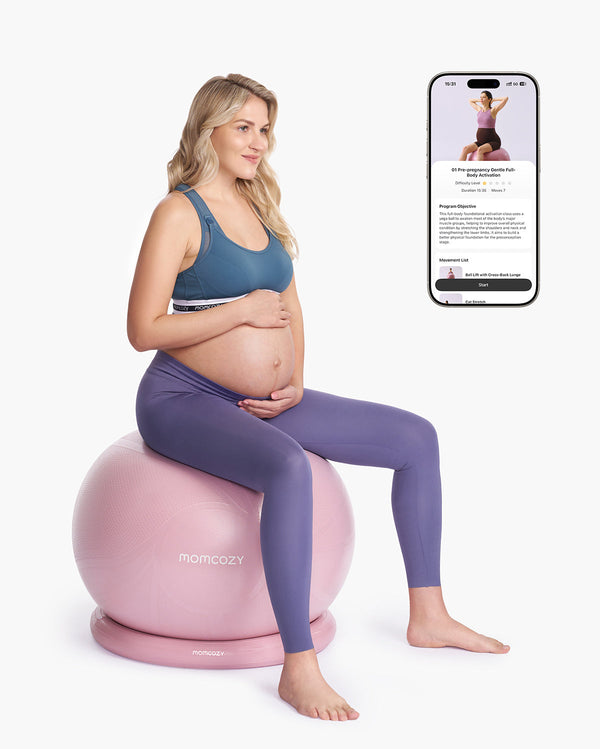
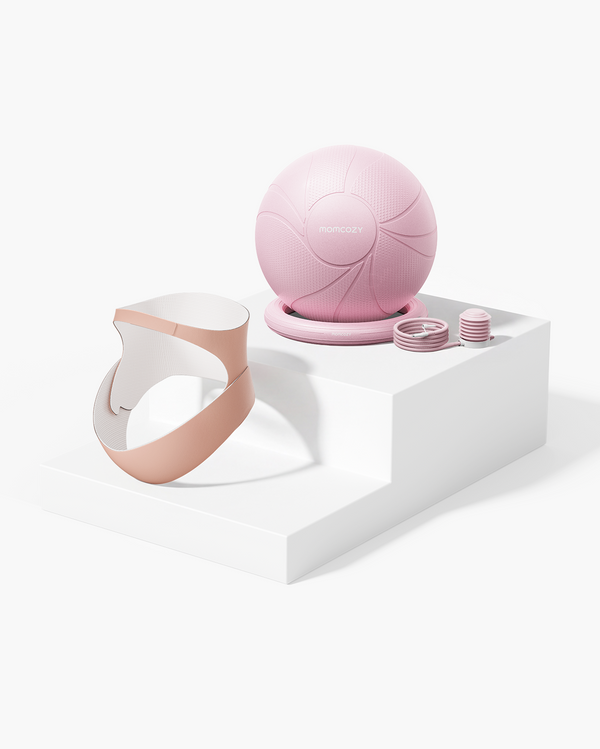
Using a stability ball is an excellent way to safely engage your core, open your pelvis, and promote digestive motility. The Momcozy BirthEase Pregnancy Ball Set—Maternity Exercise Ball is uniquely designed for exactly this purpose. Unlike standard yoga balls, the Momcozy BirthEase is a dedicated maternity ball made with BPA-free, FDA-registered materials, ensuring it is entirely safe for close-contact use from bump to baby. It features an extra-thick, anti-burst construction with a 330 lb capacity, providing deep peace of mind during your seated exercises.
To relieve bloat, you can simply sit on the Momcozy maternity ball and gently bounce or rock your hips in circular motions. The included stability base ensures the ball stays securely in place while you stretch. Plus, the set connects with the Momcozy App, providing stage-based guided courses from the first trimester through postpartum recovery, so you can confidently follow routines specifically designed to relieve pregnancy discomforts.
Anti-Burst Design
Stability Base Included
Guided Training Program
Drink Plenty of Water
It may seem counterintuitive to drink more water when you feel bloated and puffy, but staying highly hydrated actually prevents water retention. Furthermore, water helps soften your stool, keeping your digestive tract moving and preventing constipation-induced bloating.
Eat Fiber-Rich Foods to Prevent Constipation
A diet rich in soluble and insoluble fiber will help sweep waste through your sluggish intestines. Incorporate plenty of leafy greens, apples, berries, beans, chia seeds, and whole grains into your diet. Be sure to increase your fiber intake gradually to avoid temporarily worsening your gas.
Avoid Chewing Gum and Carbonated Drinks
When you chew gum, you inadvertently swallow small amounts of air, which becomes trapped in your already sluggish stomach. Carbonated beverages like soda and sparkling water directly introduce gas into your digestive system. Stick to flat, still water infused with a squeeze of fresh lemon to soothe your stomach.
How Long Does a Bloated Stomach Last?
The duration of pregnancy bloating varies wildly from woman to woman, depending on individual body chemistry and digestive health.
How Long Does Early Pregnancy Bloating Last?
For most women, early pregnancy bloating peaks during the first trimester while the body is adjusting to the massive influx of progesterone. As you transition into the second trimester and your hormone levels stabilize, you may notice a significant reduction in gas and puffiness. However, as the bloat subsides, your uterus will continue to expand upwards and outwards, meaning your "bloat bump" will soon be replaced by a genuine baby bump.
When to See a Doctor
While mild to moderate bloating is a completely normal part of pregnancy, there are certain red flags you should never ignore. Always consult your healthcare provider if you experience any of the following symptoms alongside your bloating:
Severe Abdominal Pain
If your bloating is accompanied by sharp, localized, or severe abdominal pain, it could be a sign of an ectopic pregnancy (where the egg implants outside the uterus, usually in a fallopian tube), which is a medical emergency. ACOG lists sudden severe abdominal or pelvic pain, shoulder pain, weakness, dizziness, or fainting among concerning symptoms in its guide to ectopic pregnancy.
Persistent Bloating for Several Days
If your bloating is extreme, prevents you from eating or drinking, and does not respond to any at-home remedies after several days, contact your doctor to rule out intestinal blockages or severe gastrointestinal issues.
Heavy Bleeding or Worsening Cramping
Mild cramping and spotting can be normal, but heavy vaginal bleeding (soaking a pad) or intense, worsening cramps can be indicative of a miscarriage and require immediate medical attention.
Frequent Nausea, Vomiting or Diarrhea
If you are unable to keep any food or fluids down for more than 24 hours, you may be suffering from hyperemesis gravidarum (severe morning sickness) or a stomach bug. This can lead to dangerous dehydration for both you and the baby.
How to Know if You're Pregnant
While tracking symptoms like bloating, fatigue, and nausea can provide clues, they are largely circumstantial. The only definitive way to know if you are pregnant is to take a home pregnancy test after your missed period. If the home test is positive, schedule an appointment with your OB-GYN or midwife for a blood test and an early ultrasound to confirm the viability and dating of the pregnancy.
Frequently Asked Questions
Is Bloating a Sign of Implantation?
Yes, bloating can be a sign of implantation. When the embryo attaches to the uterine wall, the body's progesterone production ramps up immediately, slowing digestion and causing early fluid retention.
What Does Implantation Feel Like?
Not all women feel implantation, but those who do often describe it as light tingling, mild pulling, or very faint cramping in the lower abdomen or lower back. It is generally much milder than standard menstrual cramps.
What Is the 5 5 1 Rule for Pregnancy?
The "5 5 1 rule" (more accurately and commonly referred to as the 5-1-1 rule) is a guideline used later in pregnancy to help determine when to go to the hospital for labor. It means your contractions are 5 minutes apart, lasting for 1 minute each, and this pattern has continued consistently for 1 hour. It is not related to early pregnancy symptoms.
What Are Signs of False Pregnancy?
False pregnancy, or pseudocyesis, is a rare condition where a person experiences almost all the physical signs of pregnancy—including a distended bloated abdomen, missed periods, morning sickness, and even fetal movement sensations—despite not actually carrying a child. It demonstrates the powerful connection between the mind and the endocrine system.
Disclaimer: The information provided in this article is for educational purposes only and should not replace professional medical advice. Always consult with your healthcare provider or obstetrician regarding any symptoms or concerns during pregnancy.