


MEDICALLY REVIEWED BY

Shelly Umstot, BSN, RN
Shelly Umstot is a BSN and has been a registered nurse for over 35 years. She lives in North East Ohio and is a freelance health content writer. Her passion is bringing understanding to those with questions and concerns regarding health issues and helping them obtain and maintain their optimal health. She loves being with her family and has two lovely granddaughters who have stolen her heart. Assisting new parents in finding the information they need to face the joys and challenges of caring for their children is a gratifying experience for her as a professional, parent, and grandparent herself.
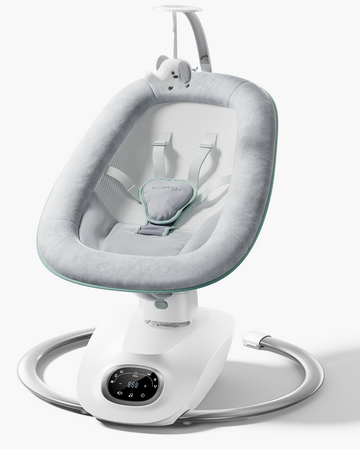
Yes, sometimes you can — but only if the swing’s care label or manufacturer instructions say the cover is machine washable. The safest approach is to remove only the washable fabric cover, keep harness straps and hardware out of the washer unless the manual specifically allows it, and air-dry everything so heat does not damage the fabric or backing. The evidence we have does not give a study-backed answer for baby swing covers specifically, so the real rule is to follow the swing’s own instructions first.
What to check before you wash anything
Start with the care tag, model manual, or manufacturer instructions on your exact swing. That matters because many baby gear covers are removable and machine washable, but some are labeled spot clean only, and PubMed does not provide a universal washing method for swing covers.
Before you put the cover in the washer, confirm these points:

- The fabric cover is removable.
- The tag allows machine washing.
- The harness straps are meant to be removed or kept out of the wash.
- The cover has no special backing or padding that could be damaged by heat.
If the instructions are missing or unclear, the safest move is to stop and use spot cleaning instead of guessing.
What usually goes in the washer and what stays out
In practice, the washable part is usually the seat cover, not the straps, buckles, or other restraint hardware. User guidance for swing gear says non-car-seat straps may sometimes be removable, but car seat straps should not go in the washing machine, and the same caution is sensible for swing straps unless the manufacturer gives different instructions.
Usually wash separately
- Seat cover fabric
- Removable fabric liners
- Other soft fabric pieces that the manual says are washable
Usually do not machine wash
- Harness straps
- Buckles
- Plastic hardware
- Electronics or padded components

If the straps are not removable, the practical choice is to clean them by hand with a soapy cloth rather than send the whole assembly through a machine.
The gentlest washing approach
When the cover is approved for machine washing, use the mildest method the label allows. The available evidence does not give exact settings for swing covers, but user-reported guidance commonly points toward a gentle cycle and air drying, and The use of household cleaning products during pregnancy and ... specifically advises cold water, mild detergent, and no tumble drying.
A simple low-risk routine looks like this:
- Remove the cover from the swing frame.
- Take off any detachable parts the manual says can be removed.
- Wash the cover on the gentlest approved cycle.
- Use a mild detergent.
- Skip bleach and fabric softener.
- Air-dry the cover fully before putting it back on.

That air-dry step matters because one user report described melting plastic backing after dryer use, which is a good reminder that heat can damage baby swing fabrics or backing layers.
How to handle harness straps without weakening them
Harness straps deserve extra caution because they are part of the restraint system, not just fabric. The evidence here does not show that machine washing damages swing straps, but it also does not prove that it is safe, so the better approach is to avoid harsh cleaning methods unless the manufacturer clearly permits them.
For lightly dirty straps, spot clean with a damp cloth and mild soap, then wipe again with clean water and let them air dry flat. User comments also describe soaking and hand scrubbing removable swing straps, then laying them flat on a towel to dry, but those are anecdotal methods rather than controlled data.
If the straps are sticky or heavily soiled, hand cleaning is still the safer path than machine washing unless your manual says otherwise. If the straps do not come clean, stay stiff, fray, or look worn, replace or check the part before using the swing again.
Drying, reassembly, and the final safety check
Air drying is the safest finish for most swing covers. The available source material says line or drip drying is appropriate for some machine-washable swing covers, and another source warns that heat can damage plastic backing.
Before you put the swing back in service, check for:

- Shrinkage
- Pilling
- Fraying near the harness slots
- Loose seams
- Stiff straps
- Buckles that no longer move smoothly
- Fit problems when you reassemble the cover
If the cover no longer fits correctly or the straps seem compromised, stop using the swing until the part is replaced or the manufacturer confirms it is still safe.
A simple rule of thumb for busy parents
If the care label says the seat cover is machine washable, wash only the removable fabric piece on the gentlest approved setting and air-dry it completely. Keep harness straps, buckles, and any non-removable parts out of the washer unless the manufacturer specifically says they are washable.
If you’re unsure, spot clean first and protect the straps. That is the lowest-risk way to keep the swing clean without guessing about fabric damage or strap wear.








