


This guide compares cordless and plug-in pumps so you can match power, comfort, and cleanup to your daily routine. It also highlights practical fit and storage tips that make pumping more manageable.
Is your baby finally asleep on your chest, just as you remember you still need to pump? Most full pumping sessions take about 15–20 minutes, so the pump that fits real life matters more than the fanciest features. You’ll get clear definitions, honest pros and cons, and a practical way to choose for your days.
What Cordless and Plug-in Mean in Real Life
Breast pumps generally fall into standard electric, portable, wearable, manual, and hospital-grade rental categories, and wearable pumps sit inside the bra while portable pumps use tubing and an external motor. For this comparison, cordless means the rechargeable portable or wearable styles, while plug-in refers to standard double-electric options and most hospital-grade rentals that stay near an outlet. If you want to keep moving while you pump, cordless is the everyday freedom pick; if you need a stable home station, plug-in can be the anchor.

Cordless Pumps: Freedom with Tradeoffs
Portable cordless pumps
Portable cordless pumps are rechargeable for on-the-go use, but tubing and an external motor mean you usually need a hands-free bra or cups. The upside is flexibility without being fully in bra, which can feel less fiddly for some bodies; the tradeoff is you’re still managing tubing and parts, so it’s not the most discreet setup. If you pump in the carpool line or while folding laundry, a portable pump can sit nearby, keeping both hands free.
Wearable cordless pumps
The Momcozy M9 wearable pump provides efficient milk expression with quiet operation, suitable for on-the-go sessions around 3–5 oz.
The Momcozy M9 wearable pump is a high-performance wearable breast pump designed for single-user home pumping, offering strong suction in a lightweight, self-contained, discreet-in-bra design.

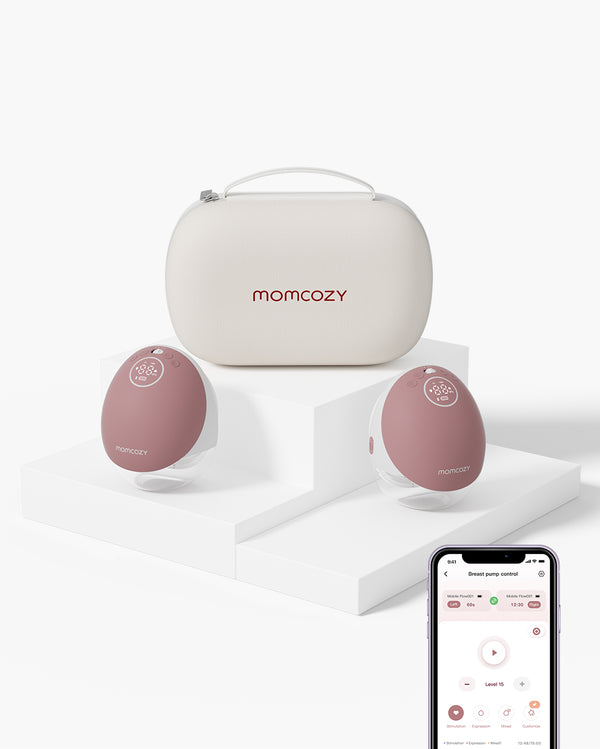


Wearable pumps are self-contained and sit inside a bra. In testing, one top pick used 5-oz receptacles, two modes with seven intensity levels, and a very quiet 37 dB motor at 3 ft, but reviewers noted the gentle suction and high price make it better as a supplement for many people. If your typical session is around 3–4 oz, a 5-oz cup can get you through without emptying mid-session; if you usually pump more, plan a quick pour.

Plug-in Double Electric Pumps: Steady Power for Frequent Use
Evaluations of double-electric pumps often focus on setup ease and cleaning effort, alongside comfort, noise, and whether suction meets users’ needs. Those priorities show up fast when you pump several times a day: a pump that is quick to assemble and easy to wash keeps the routine realistic. If you pump before breakfast, at lunch, and before bed, a simpler cleanup can be the difference between sticking with your plan and skipping a session.
Testing often prioritizes efficient milk removal in about a 15-minute session, with reasonable comfort and adjustability of suction strength and frequency. That adjustability matters because stimulation mode uses quick suction to trigger letdown, and expression mode switches to longer pulls for milk removal. Many standard pumps can be paired with a pumping bra for hands-free use. If your work break is short, a pump that shifts smoothly between modes can help you finish on time.
Comfort, Fit, and Output Matter More Than the Power Cord
Getting the right flange size is essential, and most accurate sizing happens after 2 weeks postpartum, even if you estimate around 38–39 weeks. Many pumps include 1–4 flange pairs and allow inserts; wearable pumps are especially sensitive to proper sizing. Suction strength is commonly listed around 220–350 mmHg, but the better goal is the maximum comfortable vacuum, not the highest number. A small flange change can matter more than a new pump.
Pumping should feel comfortable, and turning settings up too high can reduce comfort without improving flow. Warm compresses, gentle breast massage, and clean supplies can help milk flow, and many people finish in about 15–20 minutes per breast or 15–20 minutes total if double pumping. If you have a limited window, that timing can fit between a baby’s nap and the next feeding without rushing or pushing through pain.
Choosing the Right Pump for Your Routine
If you’re away from your baby regularly, a higher-powered pump with a rechargeable battery is often recommended, while short separations of about 3 hours or less may require minimal pumping. Exclusive pumpers also tend to benefit from more robust features, such as independent control of cycle and vacuum, while direct breastfeeding with occasional pumping may need fewer features. For a 9-to-5 schedule, a steady battery and a reliable home base can lower stress; for a quick dinner out, a simpler setup may be enough.

For initiating breastfeeding for a premature baby, hospital-grade pumps are a common rental option. These are designed for early, intensive use when supply is being established, and direct nursing may be delayed. If your baby arrives early or latching takes time, a hospital-grade rental can bridge those first weeks while you build your supply and learn what works for you.
Safe Milk Storage When You Pump
Safe milk storage times matter, and room-temperature storage is limited to 4 hours, with longer windows in the refrigerator and freezer. Use clean glass, hard plastic, or freezer bags; leave a bit of headspace for expansion; and label with date and time so the oldest milk is used first. If you pump at 9:00 AM, plan to refrigerate by 1:00 PM, and clearly mark the container so any caregiver who feeds your baby later knows.
You don’t need the perfect pump, just the one that keeps you comfortable and consistent. Give yourself permission to adjust as your baby and body change; the right setup is the one that makes feeding feel doable.
Disclaimer
This article, "Cordless vs. Plug-in Breast Pumps: Pros and Cons Explained", is provided for general informational and educational purposes only. It is not medical, lactation, pediatric, or professional advice, and it is not a substitute for personalized care from a licensed healthcare professional.
For breast pump and exclusive-pumping topics, products discussed (including wearable or portable pumps and accessories sold by Momcozy) are consumer products, not medical devices. Comfort, output, and milk-removal effectiveness vary by flange fit, anatomy, suction settings, pumping schedule, and correct assembly/cleaning. No product guarantees milk supply outcomes.
Do not rely on this content alone to assess low supply, nipple trauma, clogged ducts, mastitis, infant intake, or infant growth. If you have persistent pain, fever, breast redness, sudden output decline, or concerns about your baby's feeding, seek medical care promptly.
Momcozy sells maternal and baby products, but no product can guarantee identical outcomes for every user. Always read and follow the manufacturer's full instructions, warnings, cleaning/care guidance, and applicable safety requirements before use.
By reading this article, you agree that any reliance on the content is at your own risk. Momcozy, its authors, affiliates, and contributors are not liable for losses or damages arising from the use or misuse of this content or related products. For medical concerns, contact a licensed healthcare provider immediately.








