


Silicone bags are better for reusability and less plastic contact, while plastic bags are better for convenience; safe handling matters most.
Safety Comes First (Material Doesn’t Change Storage Rules)
No matter which bag you choose, follow proven breast milk storage limits for room temperature, fridge, and freezer use. Keeping milk safe is about clean hands, clean containers, and steady temperatures.
Choose containers made for breast milk and avoid ordinary disposable bags; guidance also recommends leaving about 1 inch of headspace for expansion and storing milk at the back of the fridge or freezer for consistent cold temperatures. These basics apply whether you use silicone or plastic.

Guidance differs on whether partially thawed milk with ice crystals can be refrozen; when in doubt, follow your pediatrician or lactation consultant.
Silicone Bags: When They Shine
Silicone bags are reusable and designed for repeated daily storage, which can reduce single-use waste if that’s a priority for your family.

Some silicone brands recommend a brief 3-minute sterilizing boil before first use with the hardware removed, then thorough washing between uses.
That extra step can feel worth it if you want a long-lasting, plastic-free option.

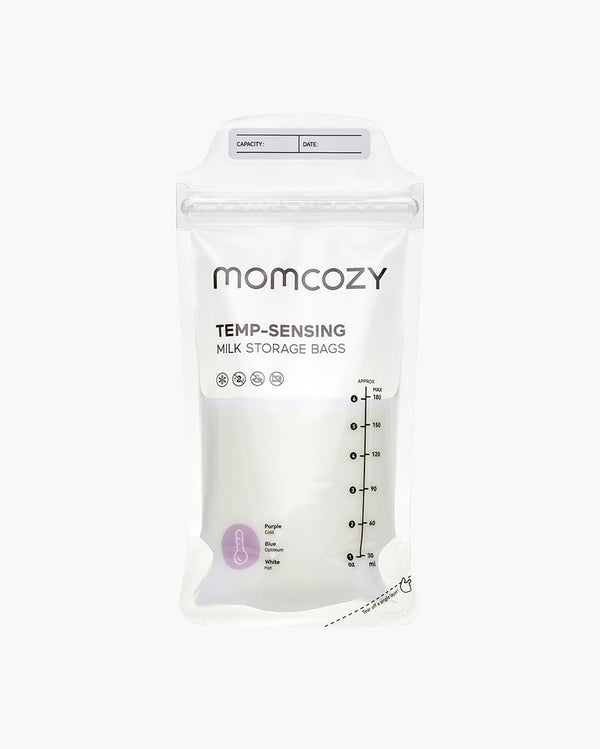
Plastic Bags: When They’re the Better Fit
Plastic breast milk storage bags can be a practical pick if you want minimal cleanup or need a compact option that’s easy to label and pass along at daycare.

Choose bags made specifically for breast milk and avoid non-food bags or disposable bottle liners.
To reduce waste, store milk in small 1–4 oz portions. That way, you thaw only what your baby is likely to take at a feeding, which is especially helpful during those unpredictable growth-spurt weeks.
Choosing for Your Routine
Consider your pumping rhythm: frequent pumpers often appreciate reusable options. Think about portion size too—if your baby usually takes 3–4 oz, store 4 oz to cut down on leftovers. Your cleanup bandwidth matters because silicone saves waste but needs washing. And if you prefer less plastic contact, silicone may feel better.

Whichever you choose, label every bag with the date, keep milk in the back of the fridge or freezer, and rotate oldest to newest. These simple habits protect your hard-earned milk more than the bag material ever will.
Disclaimer
This article, "Are Silicone Breast Milk Bags Better Than Plastic?", is provided for general informational and educational purposes only. It is not medical, lactation, pediatric, or professional advice, and it is not a substitute for personalized care from a licensed healthcare professional.
For breast milk handling and storage topics, practical tips in this article (including references to products such as storage bags or related accessories sold by Momcozy) are general guidance only. Safety and quality depend on hygiene, labeling, storage temperature, timing, thawing/warming method, and adherence to official clinical guidance and product instructions.
This content should not replace pediatric or lactation guidance for feeding adequacy, dehydration risk, milk safety concerns, or infant growth concerns. If your baby has poor feeding, dehydration signs, vomiting, fever, or poor weight gain, contact a licensed healthcare provider immediately.
Momcozy sells maternal and baby products, but no product can guarantee identical outcomes for every user. Always read and follow the manufacturer's full instructions, warnings, cleaning/care guidance, and applicable safety requirements before use.
By reading this article, you agree that any reliance on the content is at your own risk. Momcozy, its authors, affiliates, and contributors are not liable for losses or damages arising from the use or misuse of this content or related products. For medical concerns, contact a licensed healthcare provider immediately.








