The two-week wait between ovulation and your expected period can feel like an eternity. During this time, you might find yourself hyper-analyzing every twinge, craving, and mood shift. Understanding the classic pregnancy symptoms is the first step in decoding the messages your body is sending you.
While every woman's journey to motherhood is entirely unique, the hormonal storm that accompanies conception often triggers a very specific set of physical and emotional changes. Whether you have been actively trying to conceive or the thought of a baby is a complete surprise, knowing what to look out for can empower you to take the right next steps for your health and your growing family.
What Are the Early Signs and Symptoms of Pregnancy?
When a fertilized egg attaches to the lining of your uterus, your body begins producing human chorionic gonadotropin (hCG) and increases its output of estrogen and progesterone. These hormonal shifts are the driving force behind most early pregnancy symptoms. According to the National Institute of Child Health and Human Development (NICHD), elevated hCG levels in urine are the primary marker used by home pregnancy tests to confirm conception.
Missed Period
For women with a regular menstrual cycle, a missed period is often the very first and most reliable indicator of pregnancy. When implantation occurs, your body halts the shedding of the uterine lining, stopping your menstrual cycle in its tracks.
Implantation Bleeding or Spotting
Around 10 to 14 days after conception, you might notice light spotting or pinkish-brown discharge. This is known as implantation bleeding and happens when the fertilized egg burrows into the vascular lining of your uterus. It is usually much lighter and shorter than a normal period.
Sore Breasts in Early Pregnancy
Breast changes are incredibly common. Thanks to surging hormones, your breasts may feel heavy, swollen, and tender to the touch within just a week or two of conception. The areolas (the dark circles around your nipples) may also begin to darken and enlarge.
Feeling Tired Is Common in Pregnancy
If you suddenly feel as though you have run a marathon after doing nothing more than climbing a flight of stairs, you might be experiencing early pregnancy fatigue. Soaring levels of progesterone, combined with increased blood production, demand a massive amount of your body's energy.
Morning Sickness or Nausea
Despite the name, "morning sickness" can strike at any hour of the day or night. Typically starting around the sixth week of pregnancy, this famous symptom can range from mild, fleeting queasiness to severe, debilitating vomiting triggered by rising hCG levels.
Peeing More Can Suggest Pregnancy
Finding yourself waking up in the middle of the night to use the bathroom? During pregnancy, your body's blood volume increases dramatically, causing your kidneys to process extra fluid that eventually ends up in your bladder.
Strange Tastes, Smells and Cravings
A heightened sense of smell—often called hyperosmia—can make previously loved foods or perfumes suddenly unbearable. You might also develop a strange, metallic taste in your mouth (dysgeusia) or intense cravings for very specific flavor combinations.
Cramping or Bloating
Early pregnancy often brings about mild uterine cramping that feels remarkably similar to the onset of a period. Additionally, progesterone slows down your digestive system, which can lead to uncomfortable abdominal bloating.
Mood Swings
The influx of hormones in your body during early pregnancy can make you unusually emotional or weepy. It is completely normal to experience rapid shifts from elation to anxiety or sadness within the same hour.
Headaches or Backaches
Increased blood circulation and shifting hormone levels can trigger frequent, mild tension headaches. Simultaneously, the loosening of your ligaments and the physical changes in your pelvis can cause dull lower backaches. The ACOG notes that back pain during pregnancy is among the most common physical complaints, affecting the majority of expectant mothers at some point.
When Do Pregnancy Symptoms Usually Start?
The timeline for symptoms varies wildly from woman to woman. Some mothers-to-be claim to "feel pregnant" within a few days of conception. However, scientifically speaking, most early pregnancy symptoms kick in around week 5 or 6 of your pregnancy (measured from the first day of your last menstrual period). By week 8, the vast majority of pregnant women will have experienced at least a few common symptoms, such as breast tenderness or nausea.
Could You Have Early Pregnancy Symptoms and Not Be Pregnant?
Yes. Because pregnancy hormones mimic the hormones naturally present during the second half of your menstrual cycle, it is very easy to experience "phantom" symptoms.
Missed Period
A late or completely missed period does not automatically equal a baby. High stress levels, extreme weight loss or gain, excessive exercise, changes in birth control, or underlying conditions like Polycystic Ovary Syndrome (PCOS) can all delay ovulation and your period.
Nausea and Vomiting
Queasiness can easily be attributed to food poisoning, a gastrointestinal bug, stress, or a reaction to a new medication or supplement.
Breast Changes
Breast swelling and tenderness are classic premenstrual signs. A shift in your diet, particularly increased caffeine or sodium intake, can also exacerbate cyclical breast pain.
Fatigue
Exhaustion is a universal symptom of modern life. A lack of quality sleep, a taxing work schedule, recovering from a minor illness, or an underlying issue like anemia or an underactive thyroid can leave you feeling drained.
Other Causes of Pregnancy-Like Symptoms
Bloating and cramping can be caused by dietary intolerances, irritable bowel syndrome (IBS), or simply eating a heavy meal. Always look for a combination of symptoms rather than relying on just one.
Can Early Signs of Pregnancy Be Mistaken for PMS?
Absolutely. Premenstrual Syndrome (PMS) and early pregnancy are easily confused because they share a common culprit: progesterone. After ovulation, your progesterone levels naturally rise to prepare your uterus for a potential pregnancy. If you are not pregnant, those levels drop, triggering your period. If you are pregnant, they continue to climb.
This means that the bloating, breast tenderness, fatigue, and mild cramping you experience right before your period are biologically identical to the very earliest signs of pregnancy. The main difference is that PMS symptoms typically resolve once your period begins, whereas pregnancy symptoms will persist and often intensify.
What Does Your Stomach Feel Like When You're Pregnant in the Beginning?
The physical sensations in your abdomen are some of the most confusing aspects of early pregnancy. Your core is beginning a nine-month transformation.
Mild Cramping
You may feel mild, rhythmic pulling or dull aches in your lower pelvis as your uterus begins to expand and the surrounding ligaments stretch to accommodate future growth.
Bloating
Because digestion slows down to allow your body to absorb more nutrients, excess gas can build up in your intestines. This can make your stomach feel tight, distended, and hard to the touch, sometimes mimicking an early baby bump.
Constipation
That same sluggish digestive system often leads to constipation. This can cause a feeling of heavy pressure in your lower abdomen.
Finding Comfort During Early Belly Changes:
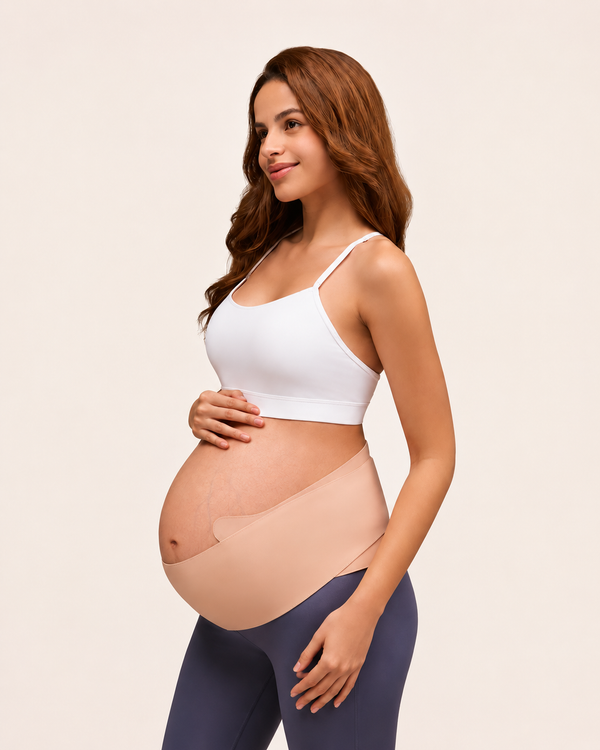
While you might feel bloated or heavy, strong support isn't strictly necessary during early pregnancy. For these early weeks, the One-Piece - Momcozy Maternova Belly Band works exceptionally well. Its lightweight, seamless design provides just enough gentle, all-day comfort without feeling restrictive.
However, if you are carrying twins or multiples, have a large baby bump, or are transitioning into your second and third trimesters, you will need something that redistributes weight more effectively. In these cases, you can use the Momcozy Go As You Grow™ Maternity Belly Band, which features an integrated 3-zone support system to ease heavy abdominal pressure. For a complete look at your options, you can explore a full belly band collection to match your specific stage of pregnancy.
Alivio del dolor
Comodidad
Eficacia
Home Pregnancy Tests
If you suspect you are experiencing pregnancy symptoms, a home pregnancy test is your next logical step. These tests work by detecting the presence of hCG in your urine.
When Can I Take a Pregnancy Test?
For the most accurate results, it is best to wait until the first day of your missed period. While some early-detection tests claim to provide results up to six days before your missed period, testing too early increases the risk of a false negative because your hCG levels may not be high enough to detect yet.
How Do I Know I'm Pregnant Without a Test?
Technically, you cannot confirm a pregnancy with 100% certainty without a medical test (either a urine test or a blood test). However, tracking your basal body temperature (BBT) can offer clues; if your BBT remains elevated for 18 consecutive days after ovulation, there is a very high probability you are pregnant.
What Does Getting a Negative Pregnancy Test Result Mean?
A negative result usually means you are not pregnant. However, if you tested before your period was due, you may simply have tested too early. If your period still does not arrive after a few days, take another test.
What Does Getting a Positive Pregnancy Test Result Mean?
A positive test almost certainly means you are pregnant. False positives are exceedingly rare and are usually the result of specific medications containing hCG, a recent miscarriage, or a biochemical pregnancy (a very early pregnancy loss). The ACOG guidance on early pregnancy loss provides detailed information on how to interpret ambiguous test results and when to seek medical evaluation.
Signs and Symptoms During Pregnancy – When to Get Help
While pregnancy brings many uncomfortable but harmless symptoms, certain signs should never be ignored. Always trust your instincts; if something feels wrong, contact your healthcare provider immediately.
Headache That Won't Go Away or Gets Worse Over Time
While mild headaches are common, a severe, unyielding headache can be a warning sign of preeclampsia, a serious blood pressure condition. Since preeclampsia rarely develops before week 20, first-trimester headaches are usually no cause for panic, though you should still consult your doctor for safe relief.
Dizziness or Fainting
Occasional lightheadedness from standing up too fast is normal due to blood vessel dilation. However, actual fainting spells or prolonged dizziness can indicate severe anemia, dehydration, or low blood pressure requiring medical attention.
Changes in Your Vision
Blurry vision, flashing lights, or dark spots are major red flags frequently associated with preeclampsia. Because this condition typically occurs in the second or third trimester, early pregnancy vision changes shouldn't cause immediate alarm about your blood pressure, but they still require a professional evaluation.
Fever of 100.4°F or Higher
A high fever during pregnancy can be dangerous for your developing baby and is a sign of an underlying infection that requires prompt treatment.
Extreme Swelling of Your Hands or Face
While mild foot swelling is standard, sudden extreme swelling in your face or hands is a classic preeclampsia symptom. Since this condition generally appears in the second half of pregnancy, early extreme swelling is rarely preeclampsia, but it still warrants a prompt medical check.
Trouble Breathing
Shortness of breath is common as your growing uterus presses against your diaphragm. But sudden, severe difficulty breathing, especially accompanied by coughing or chest pain, could indicate a blood clot in the lung (pulmonary embolism).
Chest Pain or Fast-Beating Heart
Your heart is working overtime, but sharp chest pain, a persistently racing heartbeat, or an irregular pulse should be evaluated immediately by a doctor to rule out cardiovascular issues.
Severe Nausea and Throwing Up
If you cannot keep any food or liquids down for more than 12 to 24 hours, you may have hyperemesis gravidarum. This severe form of morning sickness can lead to dangerous dehydration and requires medical intervention, often involving IV fluids.
Vaginal Bleeding or Fluid Leaking During Pregnancy
Any bright red bleeding, passing of tissue, or a sudden gush or steady trickle of clear fluid from your vagina should be treated as an emergency. These can be signs of a miscarriage, ectopic pregnancy, placental abruption, or premature rupture of membranes.
When Should You See a Doctor About a New Pregnancy?
Navigating prenatal care is crucial for the health of both you and your baby.
After a Positive Pregnancy Test
Once you see those two pink lines, call your OB-GYN or midwife to schedule your first prenatal appointment. Most providers will schedule this initial visit for when you are between 8 and 10 weeks pregnant, though they may see you sooner if you have concerns.
If You Have Abnormal Symptoms
Do not wait for your scheduled appointment if you experience sharp abdominal pain, bleeding, severe dizziness, or severe dehydration. Seek immediate medical advice.
If You Have a History of Pregnancy Complications
If you have a history of miscarriages, ectopic pregnancies, preterm labor, or chronic medical conditions like diabetes or high blood pressure, notify your doctor as soon as you get a positive test. They will likely monitor you closely from the very beginning.
Can You Be Pregnant and Have No Symptoms?
Yes, it is entirely possible! Every woman's biological makeup is different. Some women are incredibly sensitive to minor hormonal fluctuations, while others hardly notice them. It is not uncommon for a woman to experience absolutely no symptoms—aside from a missed period—during the first few weeks or even months of pregnancy. A lack of nausea or breast tenderness does not mean your pregnancy is unhealthy; it simply means you are one of the lucky ones who bypassed the early discomforts.
Conclusion: Understanding Your Body Is the Best Preparation for Motherhood
The journey of pregnancy is a profound physical and emotional experience that starts the moment of conception. While early pregnancy symptoms like morning sickness, fatigue, and strange cravings can be challenging to manage, they are reassuring signs that your body is working hard to create a safe environment for your new baby.
Remember to give yourself grace during these early weeks. Rest when you need to, stay hydrated, invest in comfortable maternity wear as your body changes, and keep open lines of communication with your healthcare provider. Whether you are dealing with every symptom on the list or sailing through with none at all, understanding what is happening inside your body is the best way to prepare for the amazing adventure of motherhood ahead.