When you first buy a diaper pail, the initial price tag is only part of the equation. Many parents soon realize that ongoing costs for specialized bags can add up quickly. But do you actually need those expensive proprietary refills, or can you use regular kitchen bags? This guide explains the differences in refill systems, long-term costs, and odor-control performance. If you are still deciding whether this nursery item is necessary, start by learning what a diaper pail is before diving into the details of refill compatibility.
What Are Diaper Pail Refills, Bags, and Liners?
Before comparing systems, it is important to clarify the terminology often used by manufacturers. While the terms are sometimes used interchangeably, they often refer to different mechanical designs. Understanding what a diaper pail is helps clarify which refill system is right for your nursery setup.
Proprietary Refill Cartridges
These are plastic rings or cassettes containing a long, continuous tube of specialized plastic film. When the pail is full, you cut the plastic, tie a knot, and pull more film down to start a new "bag." These are usually brand-specific and designed to fit perfectly into a specific model's rim.
Pre-Cut Refill Bags
Some brands sell individual bags specifically shaped to fit their pails. These function much like a regular trash bag but are often made with multi-layered plastic intended to block odors more effectively than standard grocery bags.
Regular Trash Bags and Liners
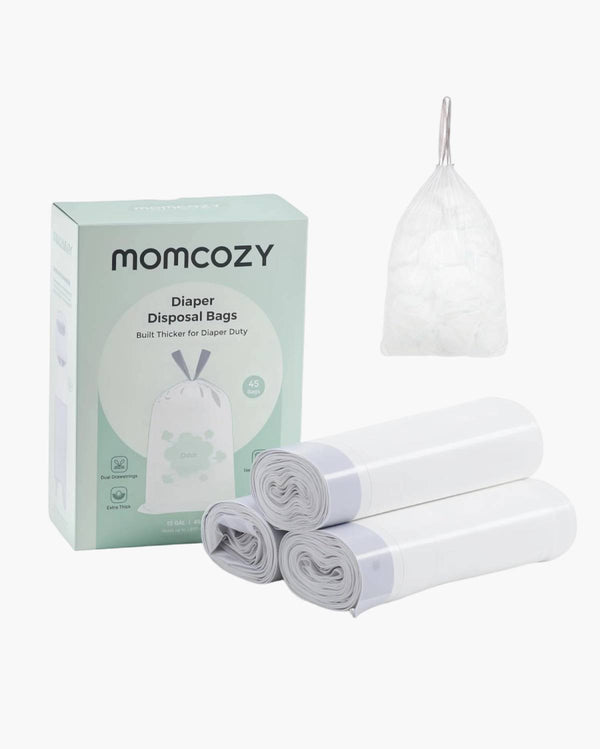
These are the standard 13-gallon kitchen bags or smaller bin liners you likely already have in your pantry. They are not specifically designed for diaper disposal but are favored by many parents for their low cost and high availability.
Do All Diaper Pails Require Special Refill Bags?
The short answer is no. The diaper pail market is largely divided into two categories: those that "lock" you into a specific refill system and those designed with universal compatibility.
Many popular pails use a proprietary cartridge system. Some pails have a lower upfront price but require ongoing purchases of brand-specific refills. If the manufacturer stops producing those bags or if your local store is out of stock, the pail becomes temporarily unusable.
On the other hand, a growing number of parents prioritize flexibility. Pails that accept regular trash bags allow you to shop for the best value at any grocery store. Understanding these requirements is a major part of how to choose a diaper pail that won't become a financial or logistical burden later on.
Regular Trash Bags vs Proprietary Refills: What Is the Difference?
Choosing between these two systems involves weighing the convenience of a "perfect fit" against the freedom of a universal system. Below is a breakdown of how they generally compare:
|
Feature
|
Proprietary Refills
|
Regular Trash Bags
|
|
Compatibility
|
Limited to specific brand/model
|
Universal (usually 13-gallon)
|
|
Availability
|
Specialized stores or online
|
Anywhere (grocery/big-box stores)
|
|
Long-Term Cost
|
Higher (specialized manufacturing)
|
Lower (bulk commodity pricing)
|
|
Convenience
|
Continuous "cut and tie" system
|
Standard "pull and replace"
|
|
Odor Control
|
Built into the plastic layers
|
Depends on bag fit, bag strength, and the pail's sealing system
|
It is a common misconception that using regular bags will result in a smellier nursery. However, the diaper pail vs trash can comparison shows that odor management is primarily about the pail's sealing design—such as rubber gaskets and airtight lids—rather than just the thickness of the plastic bag itself.
How Refill Choice Affects Long-Term Cost and Convenience
When you calculate the "cost per diaper," the price of the bag becomes a significant factor. Babies can go through thousands of diapers in the first year, so refill costs can add up.
Proprietary refills often come in packs that claim to hold a certain number of diapers, but these estimates can vary based on how tightly you pack them. Because they are specialized products, they rarely go on sale in the same way that standard kitchen bags do.
Convenience also plays a role. With a proprietary cartridge, you have to remember to order the specific SKU for your machine. If you run out on a Sunday night, you can't just run to the corner gas station to find a replacement. Conversely, with a pail that accepts standard liners, you can use the same bulk-buy bags you use for the rest of your house, simplifying your shopping list and reducing nursery clutter.
Does Bag Type Affect Odor Control?
Odor control is the primary reason parents invest in a diaper pail. Some proprietary refills use multi-layer plastic designed to help block odors. While multi-layered plastic does provide an extra barrier, it is not the only way to manage nursery scents.
Effective odor control is a multi-step process:
-
The Sealing Structure: A high-quality pail uses mechanical seals or gaskets to prevent air from escaping the main compartment.
-
The "Trap Door" Design: Many pails use a double-door system so that when you drop a diaper in, the main waste area is never fully exposed to the room.
-
Cleaning Habits: Odors can eventually permeate plastic if the pail isn't maintained. The CDC diaper disposal guidelines recommend keeping waste containers lidded and cleaning the changing area after each use.
-
Bag Scent: Scented bags may help mask smells, but unscented heavy-duty bags may be preferable for sensitive nurseries.
Ultimately, even the most expensive bag won't help if the lid doesn't seal correctly. Finding the best diaper pail for odor control usually means looking for a device with a superior mechanical seal rather than relying solely on the bag. Following a few simple tips on how to keep a diaper pail from smelling can make a regular bag just as effective as a specialized one.
What to Check Before Using Regular Trash Bags in a Diaper Pail
If you want to move away from proprietary refills, ensure your pail is actually designed for standard bags. Using a regular bag in a pail designed for cartridges can sometimes lead to air leaks if the bag doesn't fit the rim properly.
Here is a short checklist to consider:
-
Rim Fit: Does the bag sit securely around the interior rim without slipping?
-
Bag Strength: Diapers are heavy. Ensure you use a "flex" or "heavy-duty" bag to prevent tears during removal.
-
Size Compatibility: Most universal pails are designed for standard 13-gallon bags. Smaller bags may not reach the bottom, causing the bag to snap under the weight of the diapers.
-
Cleaning Access: If a bag does leak or tear, ensure you know how to clean a diaper pail thoroughly to prevent lingering odors in the base.
Why Momcozy Uses Regular 13-Gallon Trash Bags
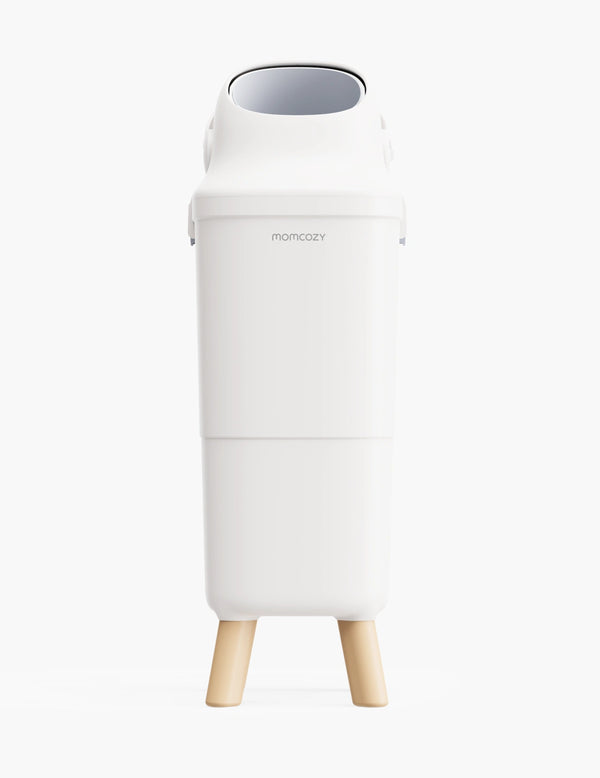
The Momcozy Triple-Seal Diaper Pail was designed with the modern parent's budget and convenience in mind. Instead of forcing parents into a costly subscription of diaper pail refill bags, it is engineered to work seamlessly with regular 13-gallon trash bags.
The secret to its success isn't a special bag—it is the engineering of the pail itself. The Triple-Seal design creates an airtight barrier that helps lock odors in, providing the performance parents expect from high-end systems without the "refill tax." Because it uses standard bags, parents can choose the strength and scent of their liners based on their own preferences and budget. This approach turns a specialized nursery tool into a practical, long-term investment that is easy to maintain every day.
De $124.99 CAD $169.99 CAD
Triple-Seal Odor Control
Large Opening & Clear Lid
Patented Clamp Bag Seal
Child Safety Lock & Easy Cleaning
Is Material More Important Than the Refill System?
Parents often ask if they should focus on the bag type or the material of the pail itself. There is a long-standing debate regarding steel vs plastic diaper pail models. Steel is non-porous and generally resists odor absorption better than some types of plastic.
However, material is only one part of the equation. A steel pail with a poor seal will still smell, regardless of the bag you use. Similarly, a well-designed plastic pail with a high-quality gasket and a reliable bag system can be just as effective. When shopping, prioritize the sealing mechanism and bag compatibility first; the material should be a secondary consideration based on your aesthetic preference and durability needs.
Choose a Diaper Pail That Keeps Refills Simple
In conclusion, a diaper pail should be a helpful addition to your nursery that remains easy to maintain. By opting for a system like the Momcozy Triple-Seal Diaper Pail, parents can enjoy a practical design that is compatible with regular 13-gallon trash bags. This model is specifically designed for odor control and utilizes a secure sealing mechanism that helps lock odors in, effectively supporting an easier diaper disposal routine for busy households.
When you prioritize a simple, universal refill system, you ensure that your nursery stays fresh without the unnecessary stress of tracking down specialized cartridges. Invest in a pail that puts your convenience and budget first.
FAQ
Can you use regular trash bags in a diaper pail?
Yes, but only if the pail is designed to accept them. Many pails are "universal" and work with standard 13-gallon kitchen bags, while others are "proprietary" and only function with brand-specific cartridges.
Are diaper pail refills universal?
No. Most refill cartridges are designed to fit only specific brands (and sometimes specific models within that brand). Always check the packaging for compatibility before purchasing.
Are proprietary refills worth it?
Proprietary refills often offer a very easy "cut and tie" disposal method and multi-layered plastic. However, many parents find the significantly lower cost of regular trash bags makes universal pails a better long-term value.
How often should diaper pail bags be changed?
To maintain a fresh nursery, it is recommended to change the bag every 2–3 days, even if it isn't completely full. This prevents bacteria and odors from building up inside the pail. The AAP nursery hygiene guidelines also emphasize regular cleaning of the changing area and waste containers to reduce germ exposure.
What should UK readers search for: nappy bin or diaper pail?
The terms differ by region. In the UK, you will find these products listed as nappy bins. For a breakdown of regional terminology, you can read our guide on nappy bin vs diaper pail.