


Smart baby monitors add convenience but cannot prevent SIDS, so safe sleep practices remain the proven protection.
Is your heart racing when the nursery goes quiet after a late-night feed and you wonder if you should check the app again? You will get a clear view of what the tech can and cannot do, plus simple steps to keep sleep safe without adding to postpartum stress.
What smart baby monitors actually measure
A baby monitor is an alarm system that helps you hear or see a baby or track movement, heart rate, breathing, or oxygen levels, and it does not save a baby on its own. Audio, video, movement, heart or breathing, oxygen, and app-based options all exist, and app-based setups can be less sensitive or lower quality than dedicated devices, so a quick daytime test in your own home matters. If you are heating a bottle in the kitchen while your baby naps upstairs, a simple audio or video feed can tell you whether you need to go right away or can finish what you are doing.

Types you will see at a glance
|
Monitor type |
What it tracks or shows |
Typical setup |
|
Audio |
Sound from the room |
Walkie-talkie-style audio unit |
|
Video |
Camera feed from the room |
Camera plus screen or app |
|
Movement |
Movement with an alarm if it stops |
Under-mattress mat or wearable |
|
Heart or breathing |
Heart rate or breathing patterns |
Chest electrodes or wearables |
|
Oxygen |
Skin oxygen levels |
Oximeter monitor |
|
App-based |
Audio or video on a phone or tablet |
Uses a phone or tablet as the receiver |
Can a smart monitor prevent SIDS?
SIDS in plain language
SIDS means sudden infant death syndrome, and safe sleep is the primary prevention focus, not home monitors. Home monitors that track breathing or heart rate do not reduce SIDS risk for healthy infants, and false alarms can increase anxiety. A 2:30 AM alert can send you into panic even when your baby is breathing normally, which is exhausting in the postpartum weeks.

The FDA warning on infant monitors in 2025 noted that most wearable devices are not FDA-tested and can miss problems or display inaccurate readings, leading to unnecessary care and potential burns or rashes. If a sock shows a low-oxygen alert while your baby looks pink and is breathing comfortably, it can still prompt you to seek urgent care.
Doctors may recommend breathing or heart monitoring for premature babies or those with breathing problems, but that is a clinician-guided plan rather than a SIDS-prevention strategy. For example, a baby sent home with specific respiratory needs may use monitoring alongside regular pediatric follow-ups.
Safe sleep basics that matter more than tech
The ABCs of infant sleep safety mean baby sleeps alone, on the back, in a crib, and room-sharing without bed-sharing can reduce SIDS risk by as much as 50%. A bedside bassinet makes 3:00 AM feeds easier while keeping a firm, flat surface with only a fitted sheet and no loose blankets, pillows, or toys. Breastfeeding for at least 6 months, if possible, is another risk reducer.
Evidence on bedsharing risk shows it rises sharply, especially on couches or soft armchairs, where risk can be up to 67 times higher, and it rises more than 10 times when a caregiver is fatigued or using sedating substances. If you are nodding off during a feed, it is safer to place your baby back in their own sleep space before you close your eyes.

The safest sleep is in the same room, in a separate crib or bassinet, for the first 6–12 months, even if you use a monitor. If the nursery is down the hall, consider keeping a portable crib in your room early on and moving it later when everyone is sleeping more steadily.
Where a monitor can still help
Monitors can help caregivers hear or see a baby from another room, which can be practical in larger homes or during short breaks. If you are pumping, showering, or grabbing a quick snack, a simple audio or video feed can let you respond promptly without hovering.
For straightforward video monitoring without internet dependency, many parents opt for secure non-WiFi models like the Momcozy BM01 Non-WiFi 1080P Video Baby Monitor. It provides clear 1080P HD feed, night vision, two-way talk, temperature sensor, and lullabies on a dedicated 5" display with up to 960ft range—all on a closed local connection for privacy and no hacking worries. Mount the camera high and secure cords well away from the crib, test range and alerts in your home during the day, and remember it offers peace for everyday checks, not medical prevention. A daytime trial helps confirm it reduces unnecessary trips without adding stress.


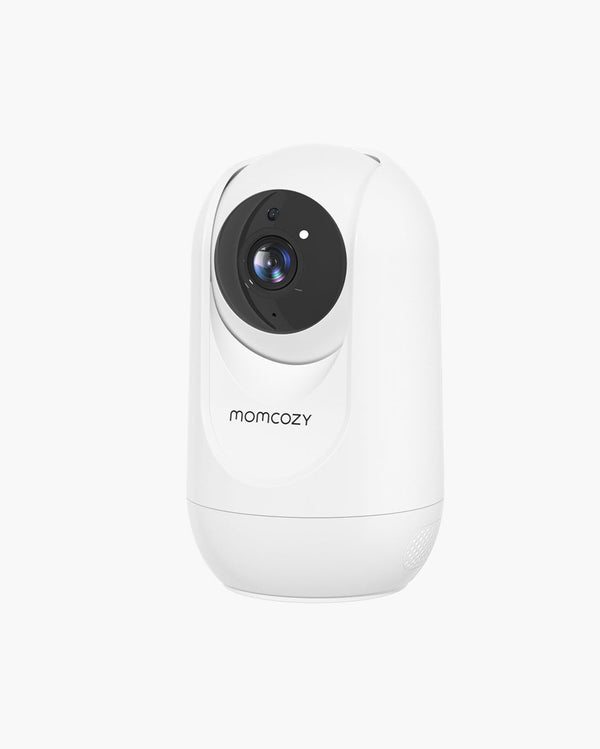
False alarms are common, and they can increase anxiety or create a false sense of security. When an alert goes off repeatedly, it can leave you more tired and less confident, so it is reasonable to choose simpler monitoring if the data is not helping you rest.
Choosing and using one wisely
Look for practical reliability cues like strong range, clear audio or video, backup battery, and safe camera placement, and keep cords well away from the sleep space. If a cord can reach the crib, it is close enough to be a hazard, so mount the camera higher or reroute the cable.
Before relying on any health-tracking feature, talk with your pediatrician, as most wearable monitors are not FDA-approved and may produce inaccurate readings. If your baby is healthy and term, a standard audio or video monitor may be all you need, while a high-risk baby should follow a clinician's plan.
Do a calm daytime trial run to see how alerts sound and how the video looks in low light, then decide whether that level of data helps your sleep or makes you more anxious. The best monitor is the one that keeps you present and rested while you focus on healing, feeding, and bonding.
Smart monitors can be a helpful tool, but they are not a substitute for safe sleep. Prioritize a safe setup, lean on your care team when you have questions, and choose the simplest gear that supports your family’s calm.
Disclaimer
This article, "Can a Smart Baby Monitor Really Prevent SIDS? Understanding the Technology," is provided for general informational and educational purposes only. It summarizes common parenting experiences, publicly available guidance (including from the American Academy of Pediatrics [AAP], FDA warnings, and safe sleep recommendations), but it is not medical, pediatric, audiological, or professional advice. It is not a substitute for personalized guidance from a qualified healthcare professional, such as your pediatrician, regarding your baby's sleep safety, health monitoring, or SIDS risk reduction.
Smart baby monitors, including those sold by Momcozy, can provide helpful audio, video, or environmental awareness for caregivers, but they do not prevent Sudden Infant Death Syndrome (SIDS) and are not a substitute for proven safe sleep practices (such as the ABCs: Alone, on the Back, in a Crib). Home-use monitors that track breathing, heart rate, oxygen levels, or movement are not FDA-approved or tested for SIDS prevention in healthy infants, may produce inaccurate readings or false alarms, and can increase parental anxiety or create a false sense of security. The FDA has cautioned against relying on over-the-counter wearable or smart monitors for medical monitoring, as they may miss issues, give false alerts, or cause skin irritation.
Always prioritize evidence-based safe sleep: place the baby on their back in a separate, firm, flat sleep surface with no loose bedding, pillows, toys, or soft objects; room-share (not bed-share) for the first 6–12 months; avoid overheating; and breastfeed if possible. For high-risk infants (e.g., premature or with respiratory issues), follow your pediatrician's specific monitoring recommendations rather than consumer devices.
Momcozy sells baby products, including baby monitors and related items, but no product is guaranteed to perform the same for every family. Effectiveness, accuracy, safety, and suitability depend on proper use, individual circumstances, and strict adherence to the product's instructions, warnings, age guidelines, and applicable U.S. safety standards (such as CPSC, ASTM, or FDA certifications, where applicable). Always read and follow the manufacturer's user manual in full before use, secure cords to prevent hazards, test the device in your home, and verify certifications directly with Momcozy or the retailer.
By reading this article or using any information herein, you agree that any reliance on the content is at your own risk. Momcozy, its authors, affiliates, and contributors are not liable for any injury, false alarms, anxiety, sleep issues, health concerns, or other damages (direct or indirect) that may arise from the use, misuse, or reliance on baby monitors or any advice described here.
Momcozy is not responsible for any consequences arising from the use of this content. For any concerns about your baby's health, sleep safety, SIDS risk, or product use, consult a licensed healthcare provider immediately. Never leave your child unattended with any baby product.








