


MEDICALLY REVIEWED BY

Shelly Umstot, BSN, RN
Shelly Umstot es graduada en Enfermería y ha ejercido como enfermera titulada durante más de 35 años. Vive en el noreste de Ohio y es redactora independiente de contenidos de salud. Su pasión es aportar claridad a quienes tienen dudas y preocupaciones sobre temas de salud, ayudándoles a alcanzar y mantener un estado de salud óptimo. Le encanta pasar tiempo con su familia y tiene dos preciosas nietas que le han robado el corazón. Ayudar a los nuevos padres a encontrar la información que necesitan para afrontar las alegrías y los retos de cuidar a sus hijos es una experiencia muy gratificante para ella, tanto en su faceta de profesional como en la de madre y abuela.
Nota: El contenido y los consejos profesionales originales fueron grabados y redactados en inglés por Shelly Umstot, BSN, RN. Para su comodidad, este material ha sido traducido al español. En caso de ligeras divergencias en los términos médicos o matices lingüísticos, prevalecerá el sentido del original inglés. Cada madre y bebé son únicos; este contenido es puramente informativo y no sustituye en ningún caso el diagnóstico o consejo de su médico o pediatra local.
Quick, steady pressure stops most tiny nicks, and simple cleanup plus clear warning signs help you decide when to call for care.
Did a quick nail trim turn into a tiny finger nick and a surprisingly bright bead of blood? Most small cuts settle with uninterrupted pressure, and a calm routine helps you keep the wound clean while your baby settles, too. You’ll get simple, step-by-step care for the bleeding and clear signs for when to call for help.
Why a tiny nick can look dramatic
Most small childhood cuts can be treated at home, and a nail-clipper nick usually falls into that category. The skin at the fingertip is delicate, and babies wiggle, so a shallow cut can look bigger than it is. A common moment is clipping just past the white edge and seeing a fast bead of blood, which is scary but often manageable with steady care.
Immediate first aid for a bleeding fingertip
For a fresh nick, rinse briefly with water to assess the size, then apply steady, direct pressure for 5 minutes without checking so the blood can clot. Place sterile gauze or a clean cloth over the cut, press firmly with your palm, and elevate the hand above heart level if you can; avoid a tourniquet. If the cloth soaks through, add a fresh layer on top and keep pressing. If bleeding restarts after it stops, it’s time to seek care. Keeping a clean washcloth in the diaper caddy can save a scramble when this happens.

If bleeding keeps going
If bleeding continues after 5–10 minutes of direct pressure or the blood spurts, it’s safer to get medical care, especially for deep, wide, or gaping cuts and for injuries on the face or neck. In real life, this can look like the gauze still turning bright red every time you lift your hand, even after a full press and a deep breath.
Cleaning and covering after bleeding slows
Once the bleeding slows, rinse well, wash with mild soap, avoid antiseptics that can irritate the skin, and cover with a sterile bandage, changing it if it gets wet; after a scab forms, the bandage can come off. Let lukewarm water run over the fingertip for about a minute, then pat dry so the skin isn’t rubbed raw.
For tiny trimming nicks, antibiotic cream is optional, and that same source cautions against bandages for babies because of choking risk, so a clean gauze or cloth and gentle pressure can be enough. If you're unsure, it’s reasonable to keep the finger uncovered once the bleeding has quieted and you can watch it closely.
Nail-bed bruising and other nail injuries
A subungual hematoma is a bruised nail that can appear as a purple or black patch under the nail, and the color can linger for weeks as the nail grows out; a full nail can take about 6–9 months to return to normal. If you see a dark spot bloom after a clip and your baby cries when you touch the nail, think bruise rather than cut, and keep the area clean and dry.

Seek care for nail injuries with deformity, severe pain, or a torn nail, or for discoloration covering more than a quarter of the nail, because these can signal a nail-bed injury or fracture. A practical example is when the nail edge lifts or the finger won’t bend normally after the trim, which is more than a simple nick.
Crush-type fingertip injuries, even from a door or a heavy object, need extra caution, and care is urgent when bleeding won’t stop, or the nail bed seems injured. If a more serious injury occurs, wash the wound with soap and water, apply a cold pack, and elevate the hand as you head to urgent care.
Preventing the next nick
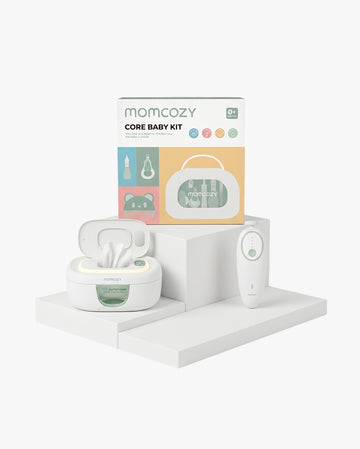
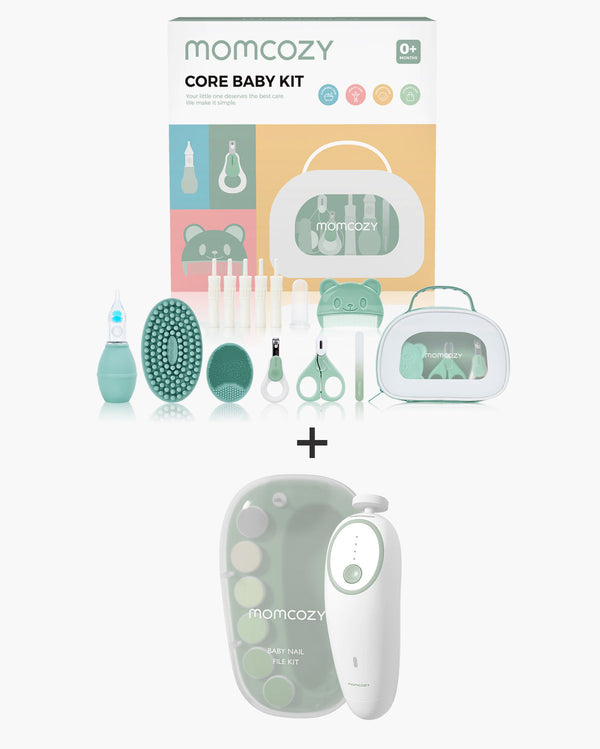
The Baby Nail Clippers Kit 20 in 1 includes an electric nail trimmer, files, emery boards, and sanding bands, providing options for gentle and safe nail care.
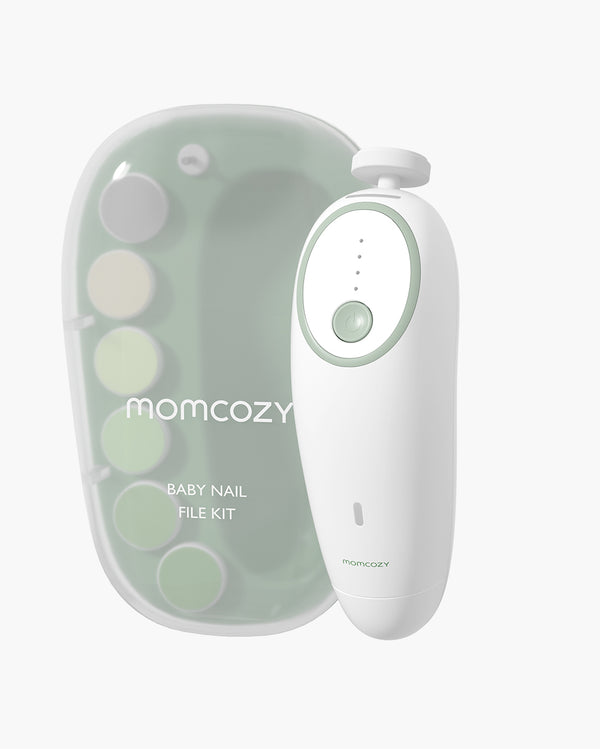
For even greater peace of mind, especially with wiggly newborns or when you want to minimize any risk of nicks, consider an electric filing tool like the Momcozy Electric Baby Nail File. It features dual soft LED lights for 360° illumination (no shadows to hide the nail edge), ultra-low noise as quiet as 35dB (perfect for use while baby sleeps), 4 adjustable speeds, and a pressure-sensitive grinding head that automatically stops on skin contact to prevent injury. It comes with multiple gentle grinding pads suited for different ages, making it a safe, rechargeable option for the whole family and a great way to gently file rather than clip.

Tools like the Baby Nail Clippers with LED Light offer a 360° rotatable light and 10x magnifier for better visibility, helping to avoid nicks during trims.
Because fingernails grow about 0.004 in per day, most newborns need trimming or filing at least once a week. An emery board is a nail file, and pressing down the fingertip skin helps you see the edge before clipping; baby mittens or socks can reduce scratching, but uncovered hand time matters for exploration, so mittens are best saved for sleep. A good rhythm is a quick check after bath time when nails are soft and your baby is relaxed.
The safest method is filing with an emery board (or an electric file like the Momcozy option above), though it is slower, while clipping is faster but needs short, careful snips just above the white nail line; toenails should be clipped straight across. The same guidance suggests trimming while your baby sleeps, after a bath, or with another caregiver gently holding and distracting. When you’re running on postpartum sleep, a two-person trim can keep everyone calmer.
|
Method |
Pros |
Cons |
Best moment |
|
Filing with emery board |
Gentle and least likely to nick |
Slower and must avoid the tender skin under the nail |
Newborns, wiggly days, or when you’re tired |
|
Clipping with baby clippers |
Faster and gives a clean edge |
Easy to clip too close without a clear view |
After a bath or while baby sleeps in good light |
When to call a clinician or go to urgent care
Call for help if there is heavy bleeding that doesn’t stop after 5–10 minutes, if the cut is deep or longer than about 1 inch, if it’s near the eye or a large facial cut, if debris is embedded, if the edges are ragged or separated, or if it’s a bite or puncture wound; it also matters if tetanus shots aren’t current. A real-world clue is a finger cut that keeps opening when you stop pressing or won’t close at the edges.
Medical care is also advised if bleeding continues after 15 minutes of steady pressure or if a cut is large, deep, or gaping with visible fat or muscle; repairs like stitches should happen within about 18–24 hours. The time frames are different because heavy bleeding needs faster attention, so a cautious middle ground is to press steadily for a full 10 minutes and treat 15 minutes of ongoing bleeding as the hard stop for getting help.
You’re doing a tender, everyday job that keeps your baby comfortable and safe. A small nick is upsetting, but with steady pressure, gentle cleaning, and clear red flags in mind, you can handle it with confidence and kindness.
FAQs
What should I do if I accidentally cut my baby's finger with nail clippers?
Stay calm — small fingertip nicks bleed a lot but look worse than they are. Rinse the finger briefly under cool water, then press gently but firmly with a clean gauze pad or cloth, and keep the hand slightly raised. Most tiny cuts stop bleeding within a few minutes of steady pressure.
How do I stop my baby's finger from bleeding?
Hold gentle, steady pressure on the cut with a clean gauze pad or cloth for about 2–5 minutes without lifting it to peek, which restarts the bleeding. Keep the hand raised above heart level if you can. Distract and soothe your baby meanwhile; the pressure does the work, not repeated checking.
Should I put a Band-Aid or plaster on my baby's cut finger?
No — never put a plaster or Band-Aid on a baby's finger. It can slip off and become a choking hazard, or wrap too tightly and cut off circulation to the tiny digit. Once bleeding stops, leave the cut open to air or, if needed, cover it only while supervised and remove it before sleep.
How do I clean and care for the cut after the bleeding stops?
Gently clean around the cut with water once bleeding has stopped, pat dry, and you can apply a thin smear of a baby-safe antibiotic ointment if your provider suggests it. Keep the finger clean and dry, and watch it over the next days for healing. Avoid soaking or scrubbing the fresh cut.
What if my baby's finger won't stop bleeding?
Keep firm, continuous pressure with clean gauze for a full 10 minutes without peeking. If it's still bleeding heavily after that, spurting, or the cut is deep or gaping, hold pressure and seek urgent medical care. Babies have little blood to spare, so persistent bleeding is worth getting checked promptly.
How long does a baby's cut finger take to heal?
A minor nick usually heals within a few days to a week, and small nail-bed bruises grow out over weeks as the nail does. Keep it clean and watch for healing. Most clipper injuries are superficial and recover fully without any lasting mark on the finger or nail.
How can I avoid cutting my baby's finger next time?
Trim when your baby is calm, drowsy, or asleep, hold the fingertip pad down and away from the nail, and use baby-specific clippers, scissors, or — gentlest of all — an electric baby nail file that can't cut skin. Trim in good light, one nail at a time, and never rush.
When should I call a doctor or go to urgent care?
Seek care if bleeding won't stop after 10 minutes of pressure, the cut is deep, gaping, or through the nail bed, or you see signs of infection over the next days — spreading redness, swelling, warmth, pus, or a fever. When in doubt about a deeper finger or nail injury, have it checked.
Disclaimer
This article, "Accidental Cut with Baby Nail Clippers: First Aid Steps for Bleeding Fingers", is provided for general informational and educational purposes only. It is not medical, lactation, pediatric, or professional advice, and it is not a substitute for personalized care from a licensed healthcare professional.
For minor first-aid and baby-care topics, any product examples (including baby and maternal products sold by Momcozy) are general consumer-use references only. Home-care effectiveness depends on correct technique, hygiene, wound severity, and timely escalation when needed.
Do not rely on this content alone for wounds with heavy bleeding, deep cuts, gaping edges, contamination, suspected infection, or if bleeding does not stop after direct pressure. Seek urgent medical care and follow professional guidance for infant or child injuries.
Momcozy sells maternal and baby products, but no product can guarantee identical outcomes for every user. Always read and follow the manufacturer's full instructions, warnings, cleaning/care guidance, and applicable safety requirements before use.
By reading this article, you agree that any reliance on the content is at your own risk. Momcozy, its authors, affiliates, and contributors are not liable for losses or damages arising from the use or misuse of this content or related products. For medical concerns, contact a licensed healthcare provider immediately.








